How early 20th century stage, film and literary melodrama paved the way for the cultures of sexual liberation
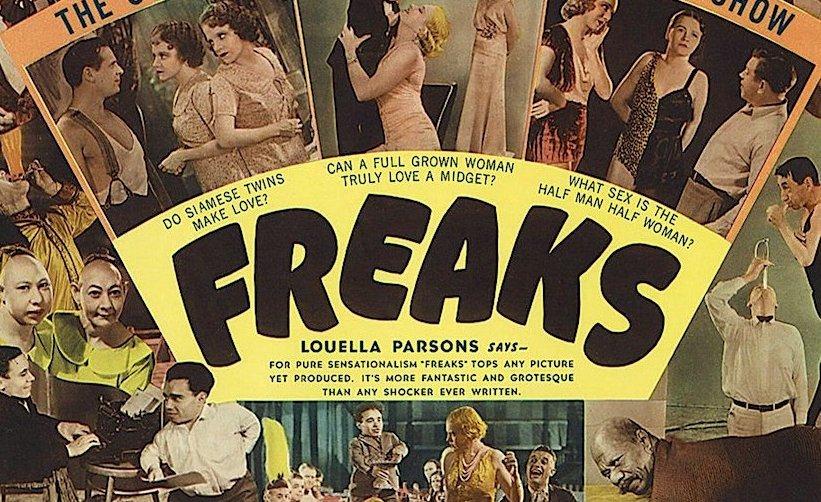
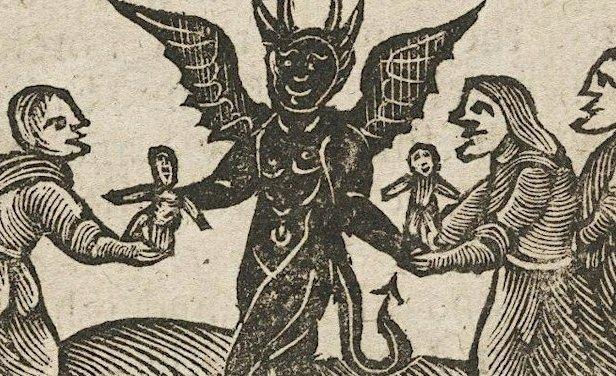
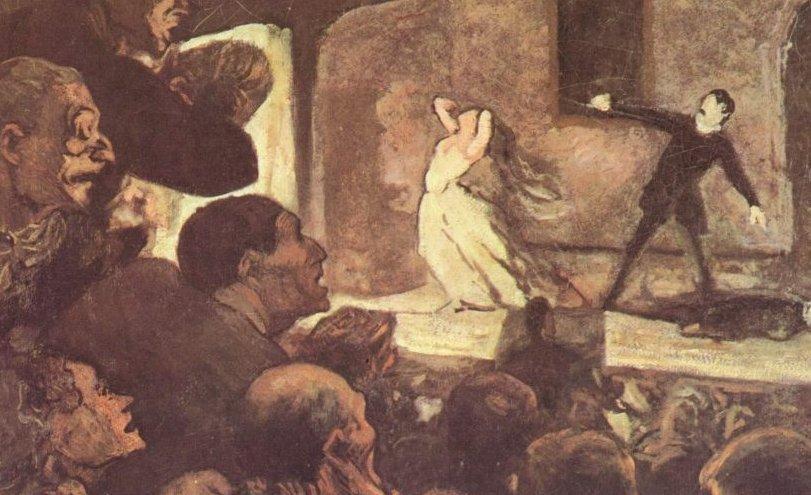
The first lecture in the five-part Bonkbusters series, curated by Jo Parsons. Melodrama: Forerunner of the Bonkbuster? A common perception of ‘melodrama’ is of an overly dramatic, highly emotional and sensational work, and which is presumed to guarantee a similarly emotional response in audiences and readers. Its origins are usually considered to start in the late eighteenth century theatre, developing into novel forms in the nineteenth century and then, in the twentieth century predominantly found in the films of Hollywood. Melodramas have been criticised for being escapist fantasy combining pathos (so sometimes referred to as ‘weepies’) with action, as innocent and virtuous heroines are terrorised and threatened by dastardly villains, but ultimately saved by manly heroes. In melodramas, the social order is usually restored, and the worthy get their just rewards, although some characters meet a tragic fate that seems to defy any sense of justice.
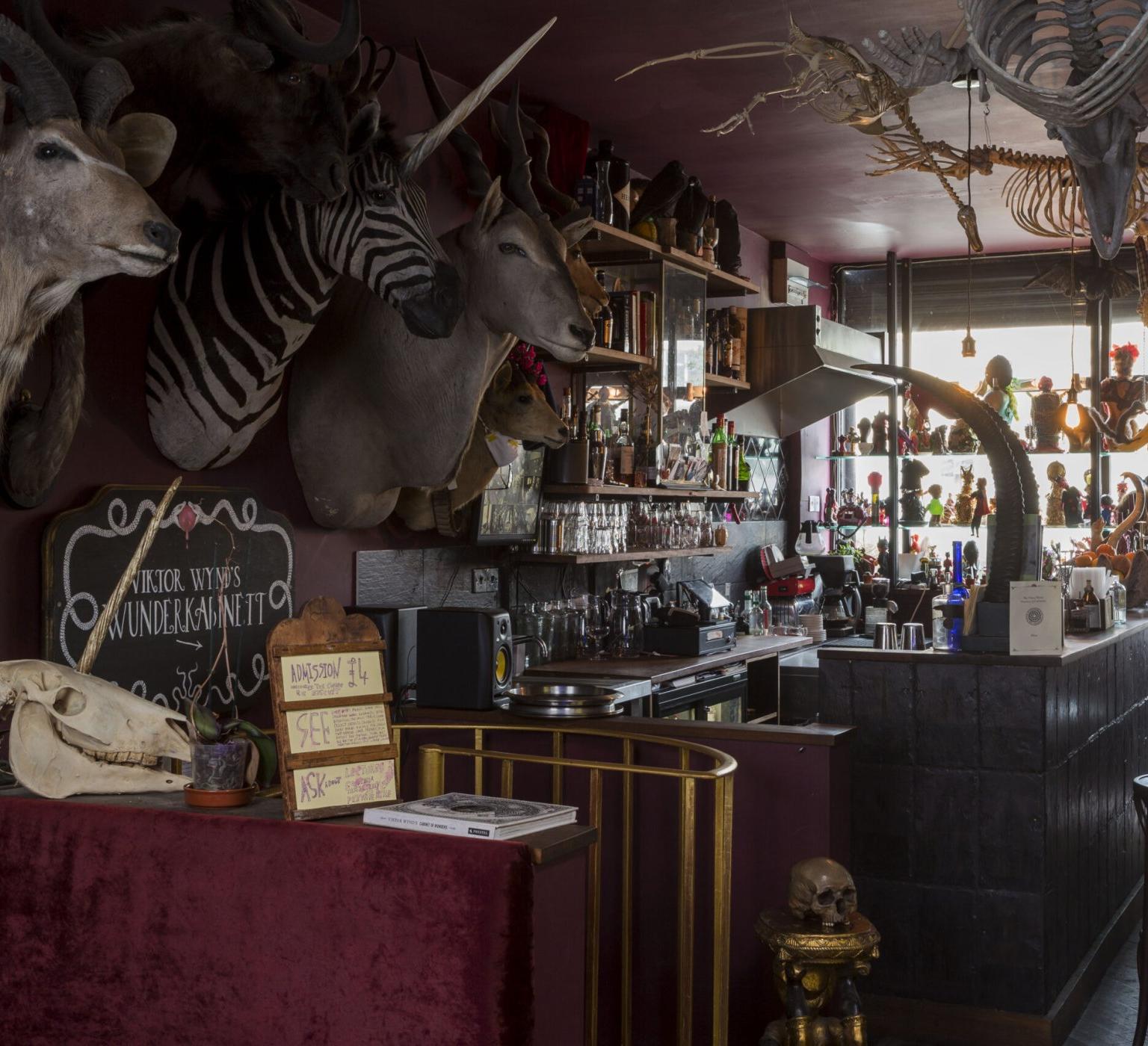
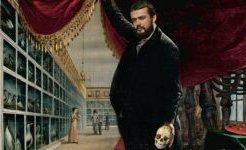
Get a National Art Pass and explore The Viktor Wynd Museum of Curiosities, Fine Art & UnNatural History
You'll see more art and your membership will help museums across the UK
Visitor information
Address
The Last Tuesday Society, 11 Mare Street, London, E8 4RP