How to spend a day in South Wales
The director of the biennial art exhibition and international art prize Artes Mundi (AM11) shares his highlights for a visit to Cardiff and Swansea.
A version of this article first appeared in the autumn 2025 issue of Art Quarterly, the membership magazine of Art Fund.
Croeso i Gymru (Welcome to Wales) or, as people in the South might say, Shwmae? (How’s it going?)
Arriving in Cardiff, the city is easily navigable on foot. Thinking of early city photography, French photographer and flâneur Eugène Atget (1857-1927) might come to mind with his encyclopaedic photographs of the streets of Paris, as you pass through Cardiff’s Victorian arcades, so it is appropriate we begin at Ffotogallery in Cathays. (If walking from Cardiff Central train station, you might also choose to call in on g39 on Oxford Street, Wales’ largest artist-run gallery with programmes of exhibitions and residencies.)
Established in 1978, Ffotogallery is Wales’ first gallery devoted exclusively to photography and lens-based media. It has moved premises several times, but currrently finds itself on the easterly edge of the city centre in a converted chapel, home to a gallery, library, bookshop and workshop facilities.
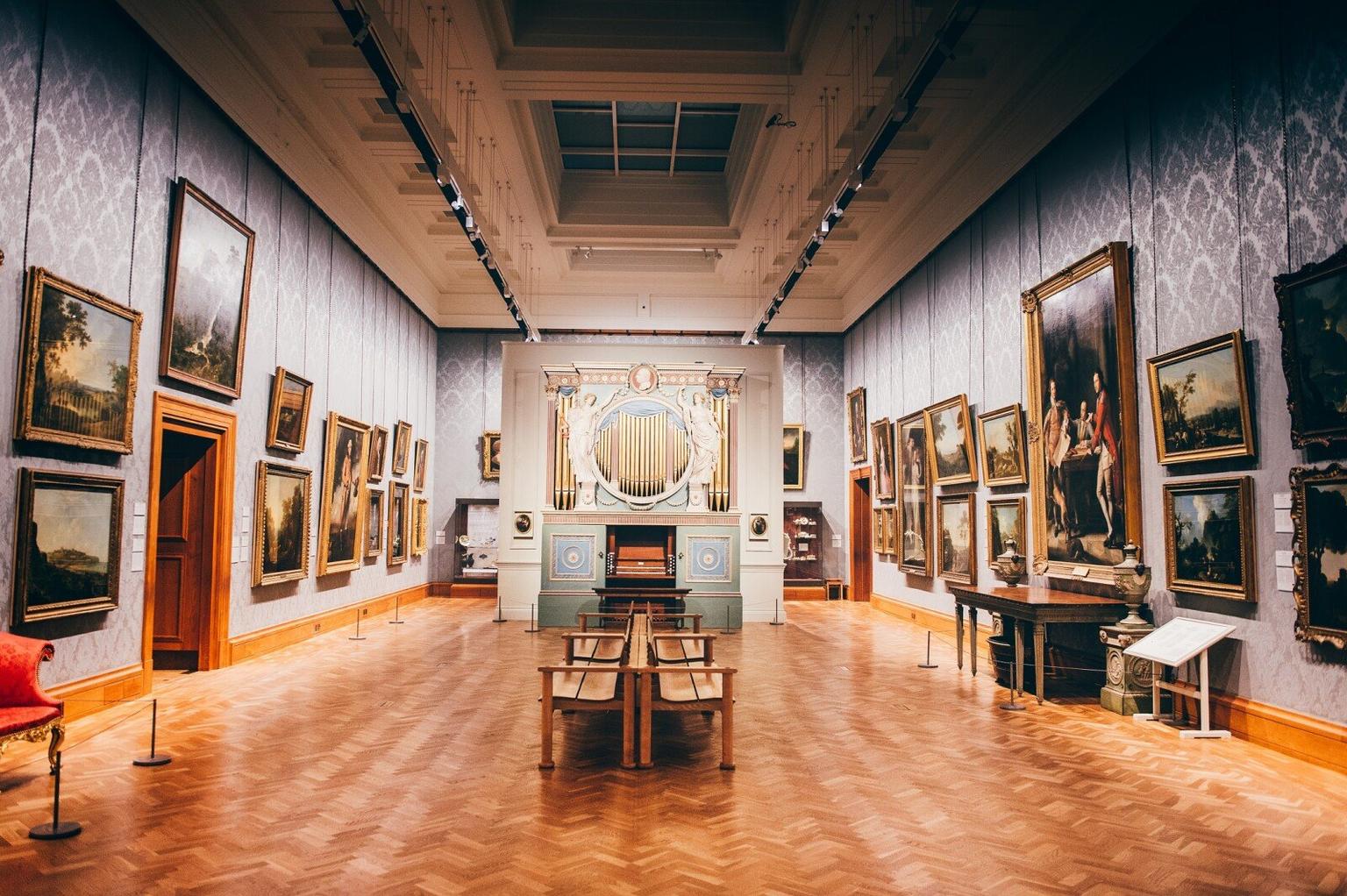
A short walk back toward the centre we arrive at National Museum Cardiff, one of seven sites that comprise Amgueddfa Cymru – Museum Wales. The building houses several collections of national art, geology and natural history, from the world-renowned Davies Sisters’ bequest of Impressionist and Post-Impressionist paintings to collections of contemporary international art and younger contemporary Wales-based and Welsh artists. Alongside this are contemporary visual art and social history exhibitions, and a wonderful historic and contemporary ceramics collection.
The museum is one of the founding partners of Artes Mundi and for AM11 will present a group presentation of all six artists – Jumana Emil Abboud, Anawana Haloba, Antonio Paucar, Kameelah Janan Rasheed, Sancintya Mohini Simpson and Sawangwongse Yawnghwe – which will act as a focal hub for the in-depth solo exhibitions by these artists in the other venues in Cardiff, Swansea, Aberystwyth and Llandudno.
Exploring more of Cardiff: The castle, contemporary art and living history
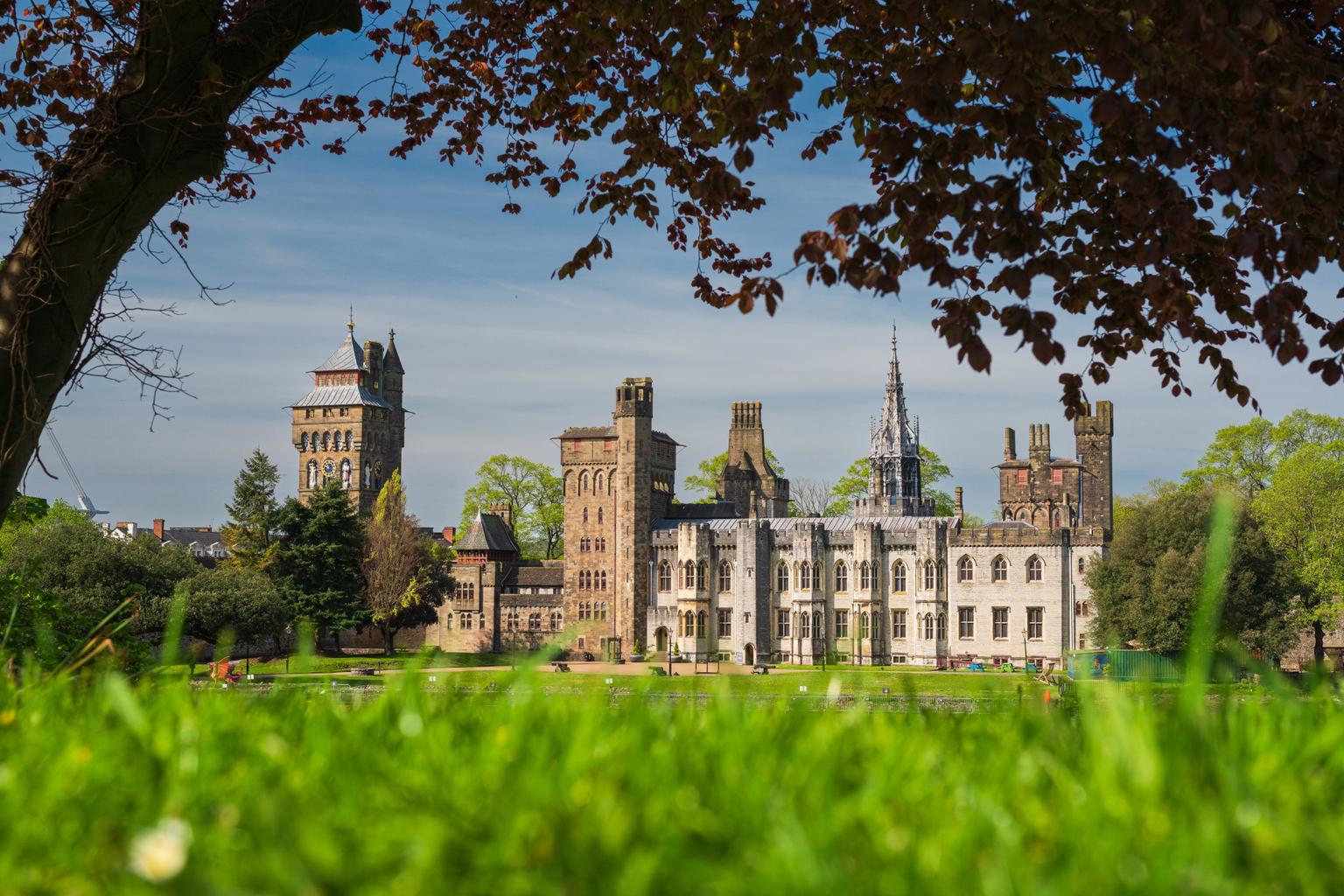
Continuing a short distance to Duke Street brings us to Cardiff Castle, sitting on the tip of Bute Park, the great green lung of the city. Cardiff Castle is now one of the country’s leading heritage attractions, originally a Norman marcher stronghold, founded by William the Conqueror. Enjoy walks along the battlements and displays reflecting the diverse history of the site, making sure to see the various carved animals on the walls along Castle Street.
A short bus- or taxi-ride along Cowbridge Road East brings us to Chapter on Market Road, Cardiff’s major arts centre, which was shortlisted for Art Fund Museum of the Year in 2025.
Walking through its community garden, we see a large-scale lightbox above the entrance to this former schoolhouse showing an evolving series of artist commissions and leading to the heart of the building that is the café-bar. In every sense it is a tangible embodiment of this organisation and its energy as a vibrant social space, its connection to local communities but also internationally through its programme of gallery exhibitions, cinema, performance and theatre.
Its newly refurbished Stiwdio recently presented Steve McQueen’s film Grenfell as one of the UK-wide venues of the tour of this powerful work. For AM11, Chapter will present the work of Australian artist Sancintya Mohini Simpson.
We then continue westward to St Fagans National Museum of History, the winner of Art Fund Museum of the Year 2019. Another of the sites of Amguedffa Cymru, the open-air museum sits within the grounds of St Fagans Castle and gardens, and is a wonderful setting of more than 50 historical buildings from across Wales rebuilt on the site, including a Victorian school, a medieval church, various stores and a workmen’s institute. Here, you can explore the histories of the peoples of Wales through their everyday lives.

Swansea: Historic collections, Dylan Thomas and a waterfront museum
From St Fagans we head back to Cardiff Central station and catch a train for the 60- to-75-minute journey to Swansea.
On arrival, Glynn Vivian Art Gallery is a five-minute walk from the station. The original 1911 Grade II* listed building was restored and expanded in 2016 with an extension of new galleries. The rolling programme of contemporary exhibitions that are of national and international significance is supplemented by a diverse series of displays drawn from its extensive collection centred on the original bequest of Richard Glynn Vivian. For AM11, Glynn Vivian will present a solo exhibition in its atrium by US artist Kameelah Janan Rasheed.
A 15-minute walk from Glynn Vivian Art Gallery leads us to the Dylan Thomas Centre in the city’s Maritime Quarter. Situated close to the River Tawe – from which Swansea has its Welsh name, Abertawe, meaning ‘mouth of the Tawe’ – the centre celebrates the world-renowned Welsh poet and writer through a permanent exhibition and a year-long programme of literary events, readings and the annual Dylan Thomas Festival held between his birth and death dates, 27 October to 9 November.
Just four minutes away is Swansea Museum. Here, in Wales’ oldest museum, you can engage with a diverse range of permanent collection displays charting Swansea’s nautical past, its wartime histories, a vast array of Celtic and Roman artefacts uncovered in South Wales and Hor the Egyptian mummy.
The National Waterfront Museum – another of Amgueddfa Cymru’s locations – is situated a further couple of minutes’ walk on the quayside of Swansea’s marina and is housed in a new slate-and-glass building integrated into a Grade II listed industrial warehouse. The marina area was part of a massive transformative regeneration project and opened in the 1980s. The museum’s collections of historical artefacts and interactive displays tell the stories of Wales’ industrial past and continuing significance.
Beyond art in South Wales
Eat
In Cardiff, artist-run Bacareto brings a Venetian cicchetti culture, while Curado has great Spanish produce in an informal tapas-bar setting. In Swansea, café/kitchen HQ is good for wholesome lunches. Do also visit one of the city’s many Welsh-Italian ice-cream parlours.
Shop
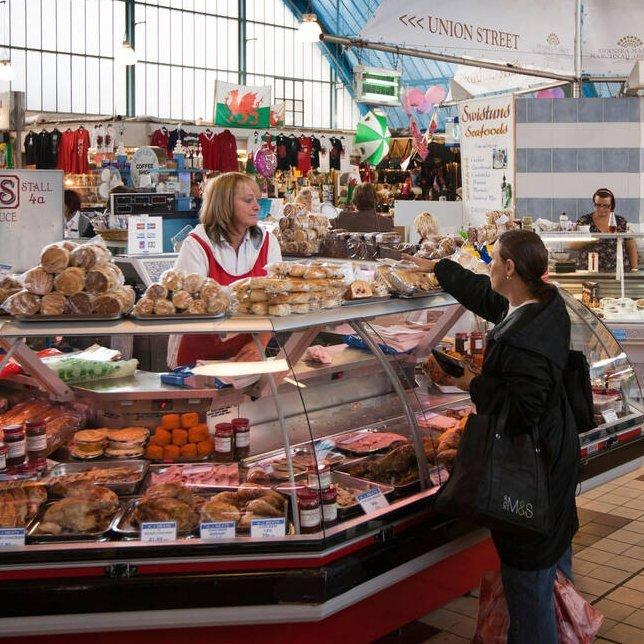
Cardiff’s arcades provide opportunities from Wally’s Delicatessen to Spillers, the world’s oldest vinyl-record shop. Both Cardiff and Swansea have incredible indoor markets. Try or take home delicious local produce from Welsh cakes to cockles and laverbread.
Relax
At the heart of Cardiff city centre, enjoy quiet time in the expansive Bute Park. Swansea has the Clyne Gardens with a broad range of planting, and is also the jumping-off point to Mumbles seaside village and the breathtaking coastal landscape of the Gower Peninsula.
Nigel Prince is the director of Artes Mundi.