How to spend a day in Norwich
In our National Year of Reading, where better to find cultural inspiration than in the UK’s first Unesco City of Literature, writes Jo Warr.
A version of this article first appeared in the spring 2026 issue of Art Quarterly, the membership magazine of Art Fund.
Norwich is a compact, walkable city that combines medieval architecture and streetscapes with a vibrant contemporary arts scene. It proudly calls itself the ‘City of Stories’, and there is no better way to discover these stories than by visiting its museums and galleries.
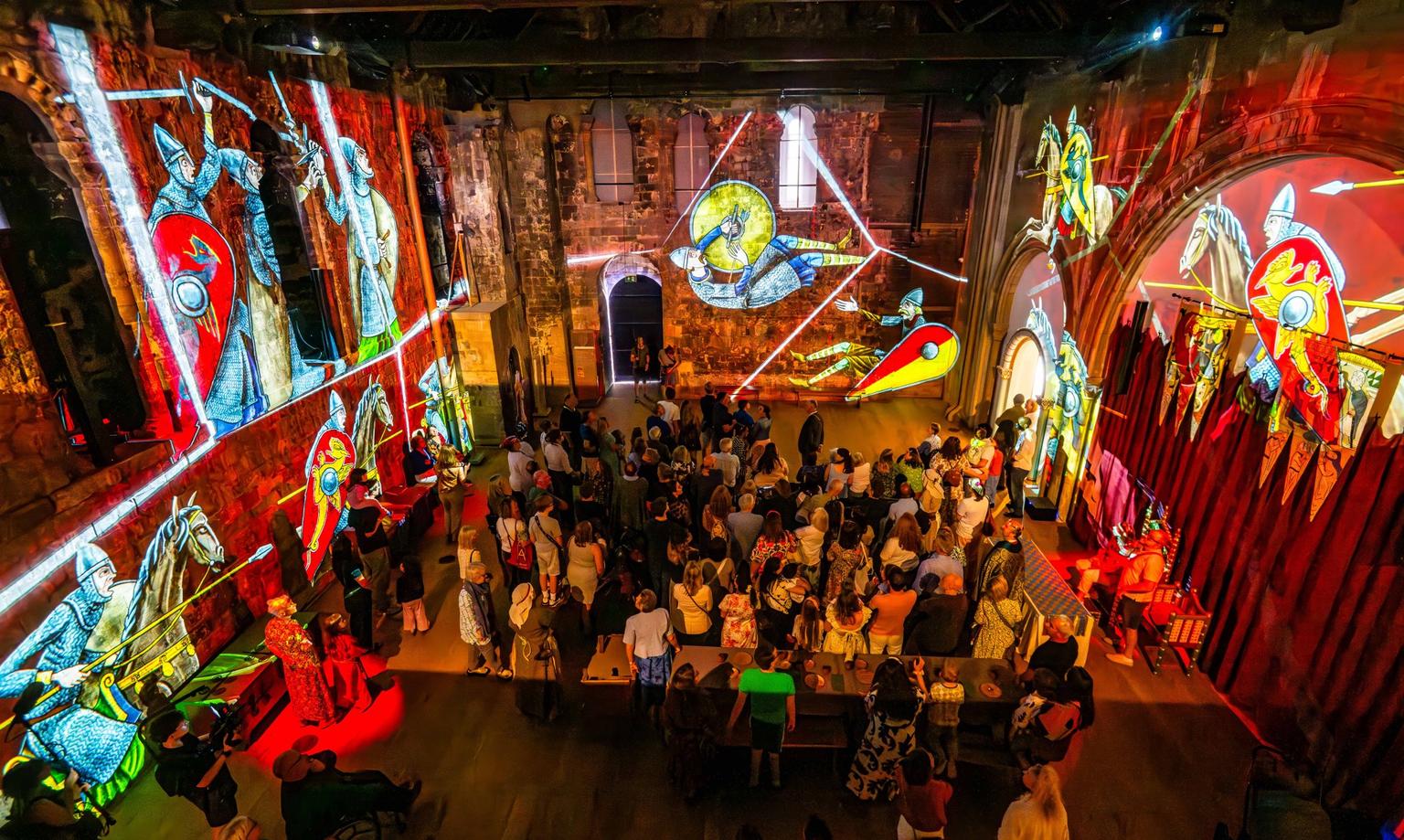
This spring is an ideal time to visit, especially during May when the annual Norfolk & Norwich Festival brings international performing arts, literature and visual arts to the streets and venues across the city. Start your day at Norwich Castle Museum & Art Gallery, dramatically elevated atop its motte in the centre of the city. Its keep is one of the finest surviving secular Norman buildings in Europe and, following an extensive redevelopment, it reopened to visitors in the summer of 2025.
The splendour of its medieval past has now been recreated with original floor levels reinstated and rooms furnished to create an authentic sense of life in a Norman castle in 1121. Alongside immersive storytelling the new Gallery of Medieval Life, a British Museum Partnership, features a remarkable range of more than 900 artefacts.
Elsewhere in the museum there are galleries displaying fine art, decorative arts, archaeology and natural history. The museum also has an impressive temporary-exhibition programme. This spring ‘In Proximity’, an open art show which celebrates the scope of creative practice in East Anglia, is showing recent work by 87 artists.
From the castle, a short walk through the winding streets of the Norwich Lanes – filled with independent shops and cafés – will take you to the Museum of Norwich, housed in a former bridewell (prison). Here, visitors encounter the story of a city shaped by trade and industry, including its international reputation for textiles, shoemaking, mustard and printing, and how commerce forged Norwich’s distinctive character.
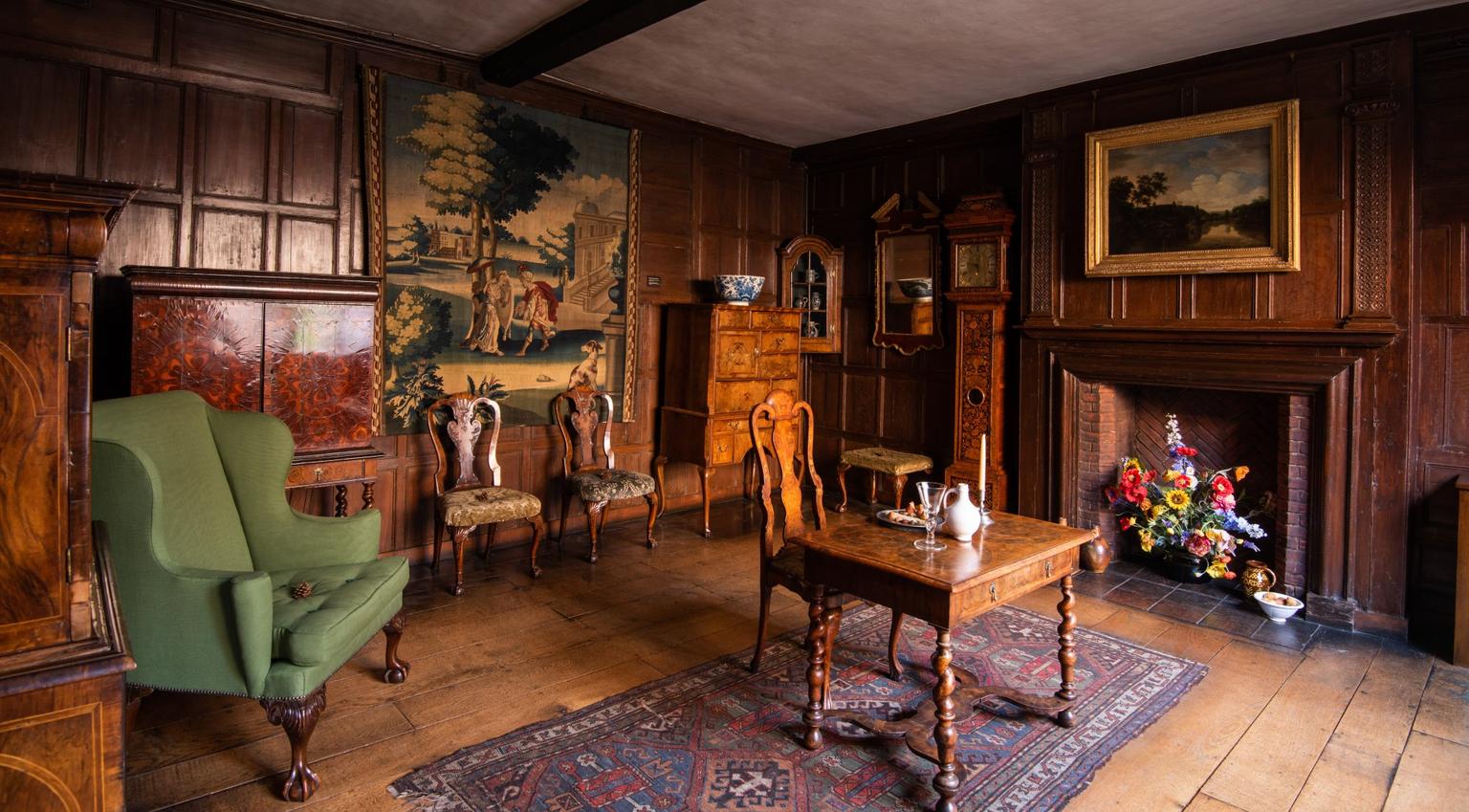
A short stroll leads to the atmospheric Strangers’ Hall. This Tudor merchant’s house gets its name from the ‘Strangers’ – the Flemish, Dutch and Walloon refugees who arrived in the city in the 16th century fleeing religious persecution. Bringing their skills in weaving, they played an important role in shaping the city’s economy and character. The hall’s sequence of historic interiors charts domestic life across centuries and includes a Tudor great hall, Georgian dining room and Victorian nursery, while its walled garden offers a peaceful spot to rest.
Next, head down King Street, one of Norwich’s oldest and most historically significant thoroughfares, until you reach Dragon Hall. This Grade I-listed timber-framed medieval trading hall is now home to the National Centre for Writing, a cultural centre dedicated to creative writing. The building is open for public drop-ins from May to October allowing visitors the opportunity to explore the Great Hall with its medieval architectural features either on a drop-in basis or via a guided tour.
A short bus ride takes you to the University of East Anglia campus where the Sainsbury Centre stands as the first public building designed by renowned architect Norman Foster. Purpose-built to house the extraordinary collection of Robert and Lisa Sainsbury, the centre presents world art from ancient civilisations to modern masters.
In addition to the permanent collection, described as ‘Living Art’, the centre’s ambitious exhibition programme is curated around seasons that focus on big universal themes. This spring the programme explores ‘What is the Meaning of Life?’ A visit to the Sainsbury Centre would not be complete without taking time to explore the sculpture park where works by Henry Moore, Anthony Caro, Elisabeth Frink, Lynn Chadwick, Antony Gormley and others are set within the surrounding landscape of the campus.
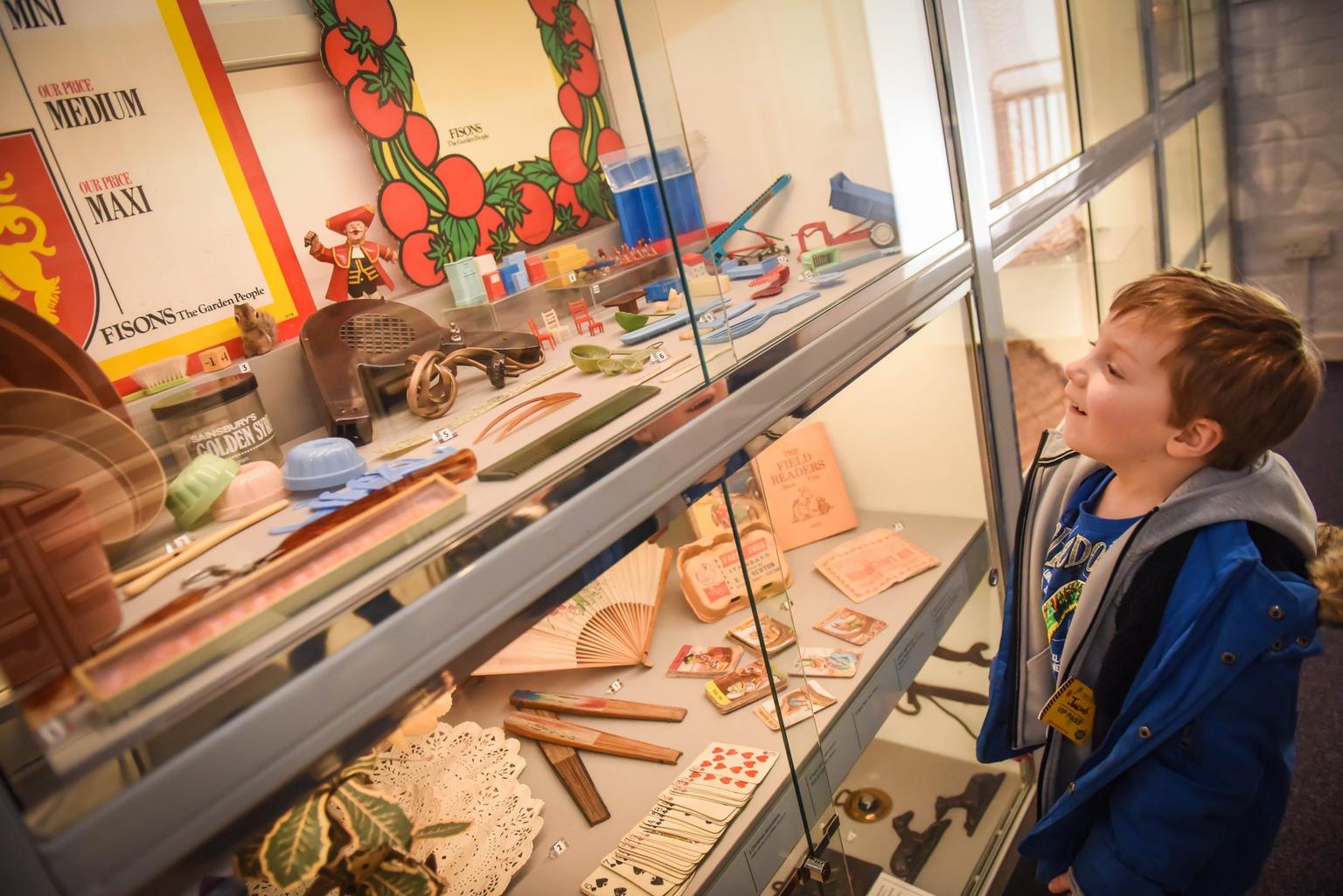
Norwich is the only English city located in a National Park – the Norfolk Broads –and, if time allows, you could head north east to the Museum of the Broads in the market town of Stalham. Its displays celebrate this unique landscape, its industries and communities, telling stories of boatbuilding, tourism and environmental change. The museum also offers boat trips that provide an engaging way to experience this heritage from the water itself.
In a village south of Norwich is Forncett Industrial Steam Museum. It preserves a remarkable collection of stationary steam engines, providing an insight into engineering and industrial heritage. On the first Sunday of each month from May to October its team of volunteers power up the engines to bring the machinery to life.
For the last stop on this tour, visit Gressenhall Farm and Workhouse near Dereham. At the heart of this 50-acre site stands a Georgian workhouse now housing museum displays that reveal powerful stories of the people who were once its residents. The museum also features Norfolk’s rural life, focusing on the lives of ordinary rural families, farming practice, labour and community from the 18th century onwards.
A highlight form any visitors is the historic working farm with its collection of rare-breed animals, including the Suffolk Punchhorses that work the fields using traditional farming techniques. Norwich is a city that often surprises first-time visitors. Its cultural offer, both historic and contemporary, is wide-ranging and impressive. It is a city where art, landscape and storytelling are always closely interwoven to create its distinctive identity.
Beyond art in Norwich
Eat
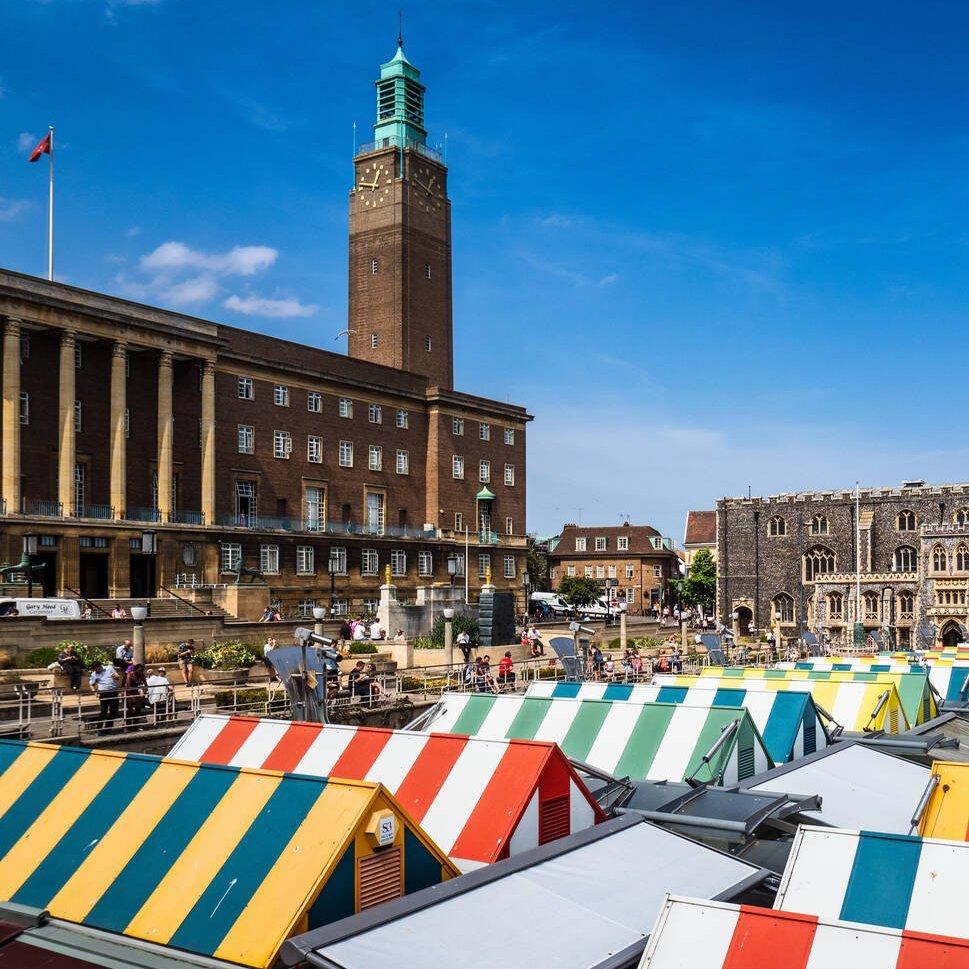
With its multicoloured rooftops Norwich Market is easy to locate and an ideal spot for a quick lunch. Wander through the maze of stalls and you will be spoilt for choice with the extraordinary array of street food from around the world.
Shop
The Norwich Lanes are a series of medieval alley ways and courtyards, which are mainly pedestrianised, packed with small independent shops and boutiques offering vintage clothing, books, vinyl records, jewellery and homewares.
Relax
For a moment of calm head to Mousehold Heath and its panoramic views of Norwich’s skyline. Mousehold inspired many of the Norwich School painters, especially John Crome, who often depicted landscapes that remain recognisable today.