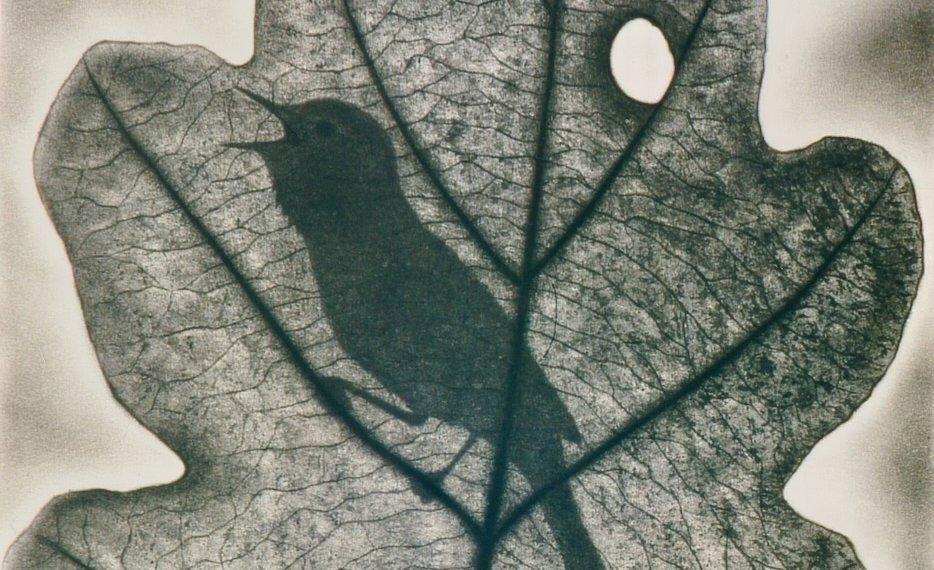
Artist Martin Huxter's works graphically represent the song of a nightingale for someone who has never heard it.
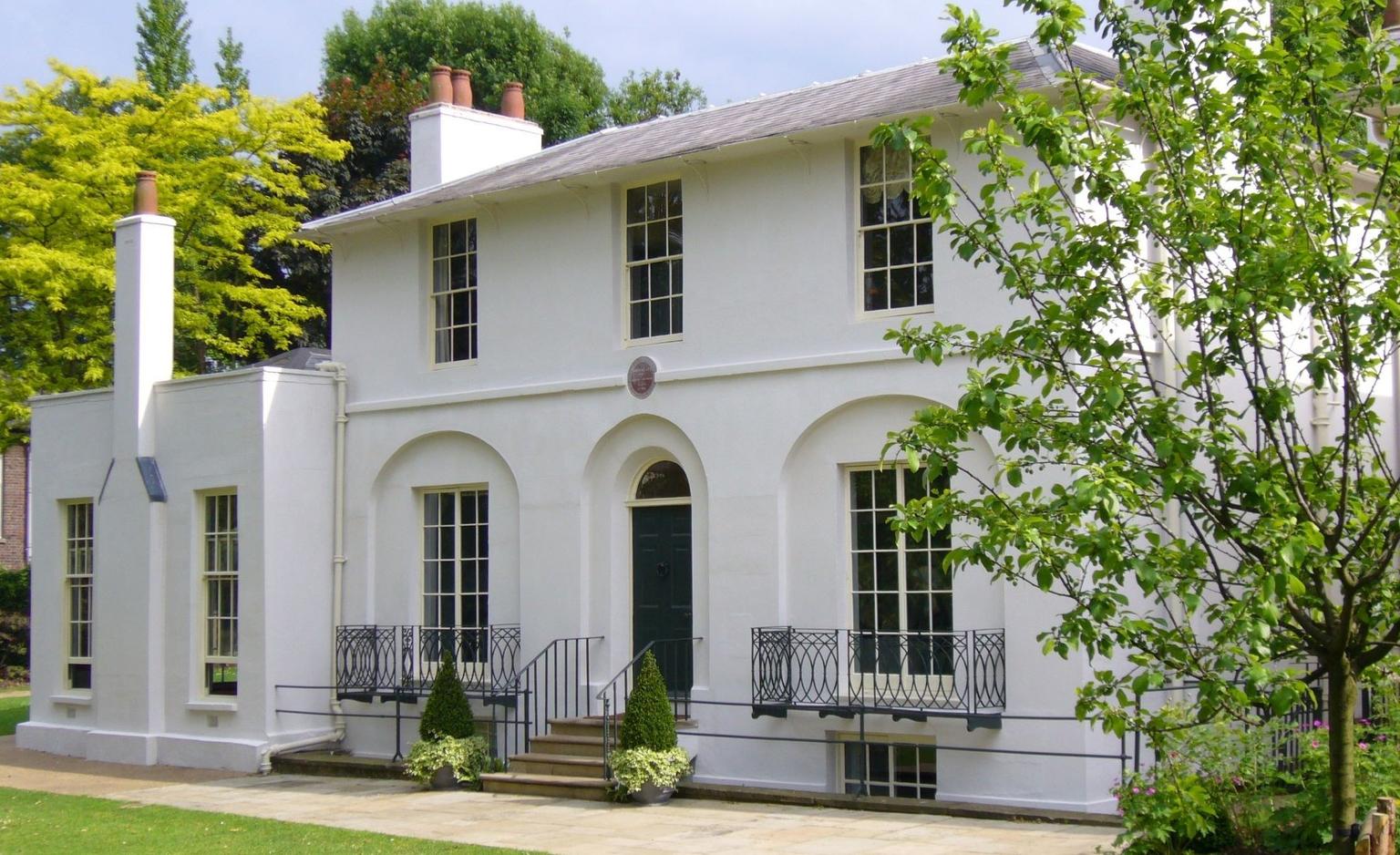
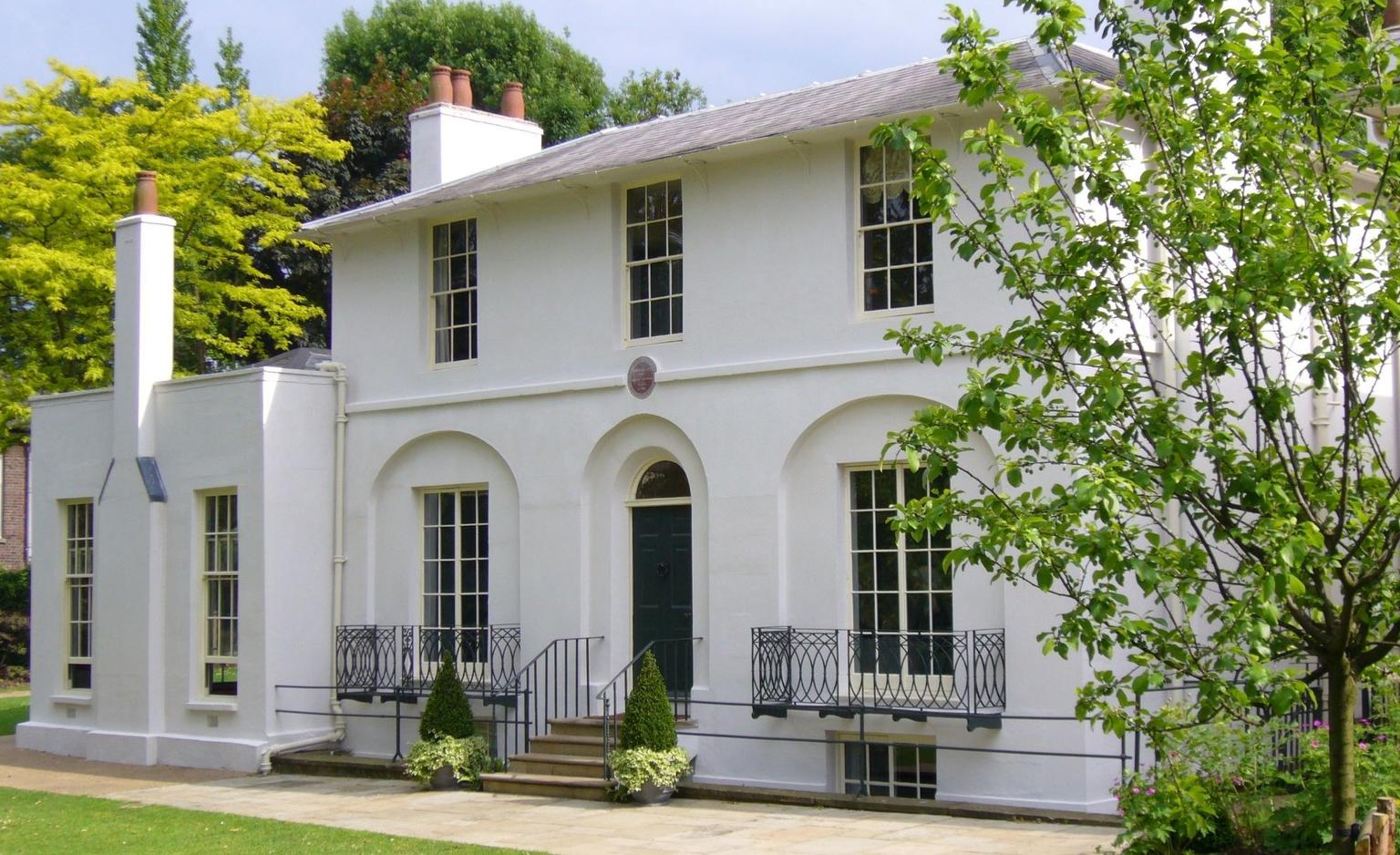
In the spring of 1819, Keats heard a nightingale singing in the garden of Keats House and was inspired to write 'Ode to a Nightingale'.
Artist Martin Huxter heard them singing while holidaying with his mother in France, in 1997:
'The moonlit valley below was full of their singing, and half-remembered lines from Keats's Ode were floating around in my head. My mother, fiddling impatiently with her hearing-aids, called out from an upstairs window, "Are they still singing?" Her look of resigned disappointment when the devices failed to pick up the birdsong moved me, and I started work on 'Nightingales for the Deaf' that same evening.'
Martin uses graphite, charcoal, ink and black chalk to graphically represent the song of a nightingale for someone who has never heard it. The works on display explore themes of insomnia, birdsong in the nocturnal landscape, and creative melancholy, evoking the intimate, dream-like atmosphere of Keats's poem.
Three of the works have been specially created for, and inspired by, Keats House, and our special displays explore the stories surrounding Keats's most famous poem.
Entry to The Nightingale Suite exhibition is included with admission to the house.
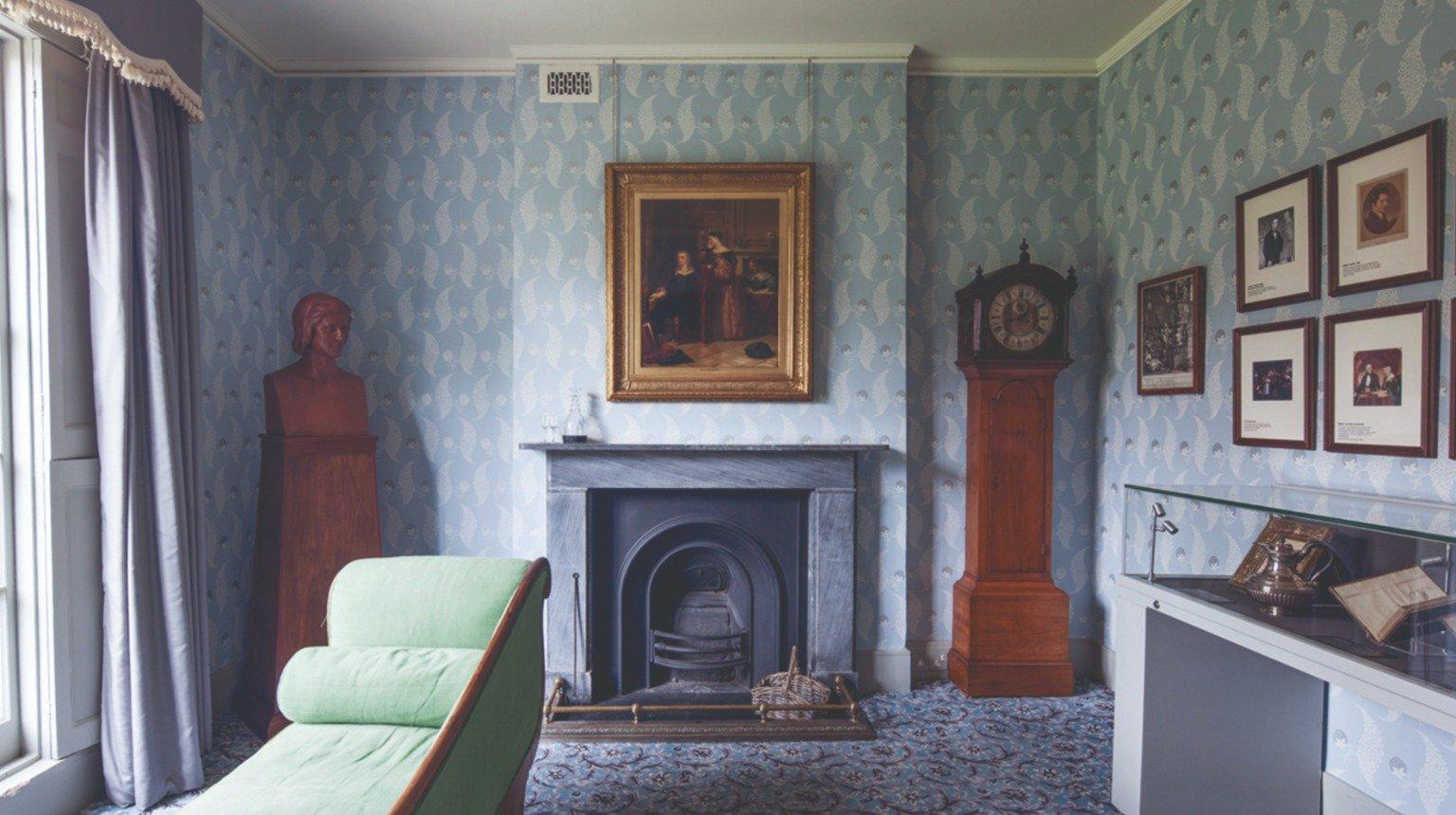
Get a National Art Pass and explore Keats House
You'll see more art and your membership will help museums across the UK
National Art Pass offers available at Keats House
Visitor information
Address
10 Keats Grove, Hampstead, London, Greater London, NW3 2RR
020 7332 3868
Opening times
Please visit our website for opening times and admission charges.