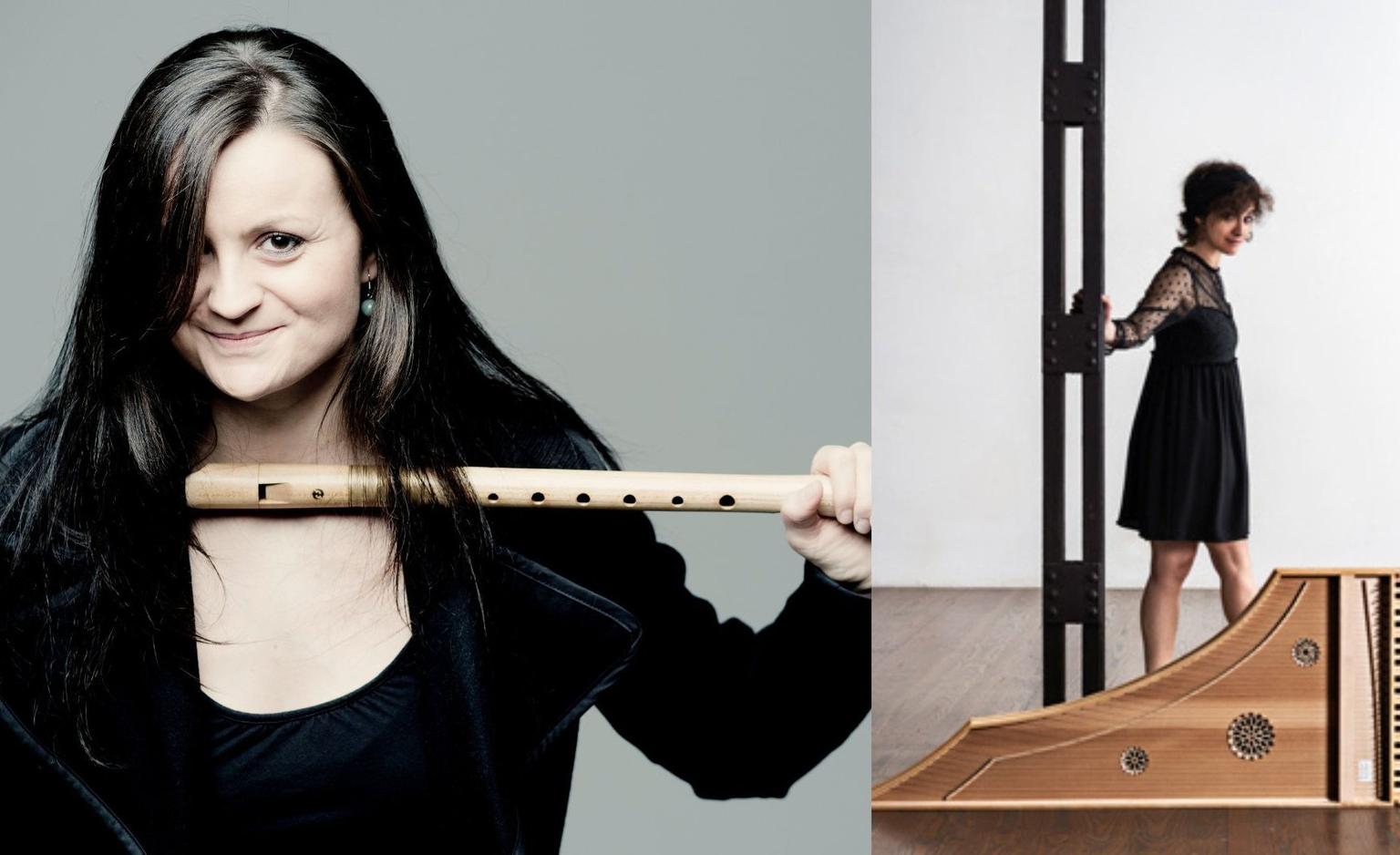
Anna Stegmann (recorder) & Corina Marti (harpsichord)
Music in the 16th century was closely connected to the human voice, even when played on instruments. The art of diminution, ornamenting a simple line, allowed performers to shape music with expression and individuality. In La Fontegara (1535), Silvestro Ganassi presents the recorder not just as an instrument, but as a means of speech, capable of expressing a variety of nuances through grances and diminutions. In his treatise, diminutions become more than decoration—they are gestures of rhetoric, bringing lines to life.
This programme explores that tradition within the rich musical culture of 16th-century Venice, where vocal polyphony and improvisation flourished. From the lyrical simplicity of the frottola to the intricate textures of Franco-Flemish composers, these works invite transformation through instrumental interpretation. Ganassi’s vision unites them: music as persuasive, expressive utterance.
Through this lens, instrumental performance becomes a living language, where breath, imagination, and individuality give voice to written notes, continuing a practice that remains vital and eloquent today.
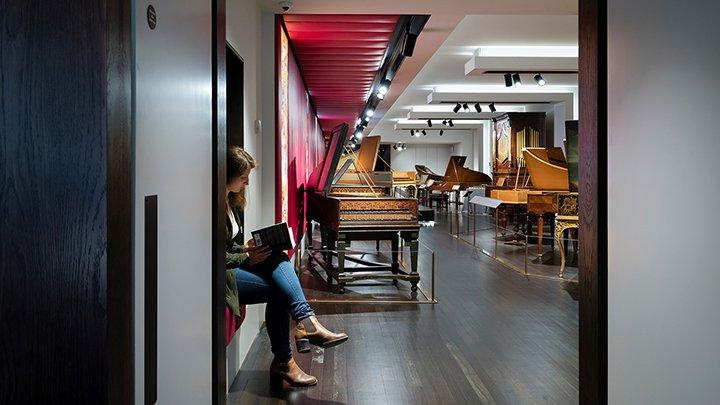
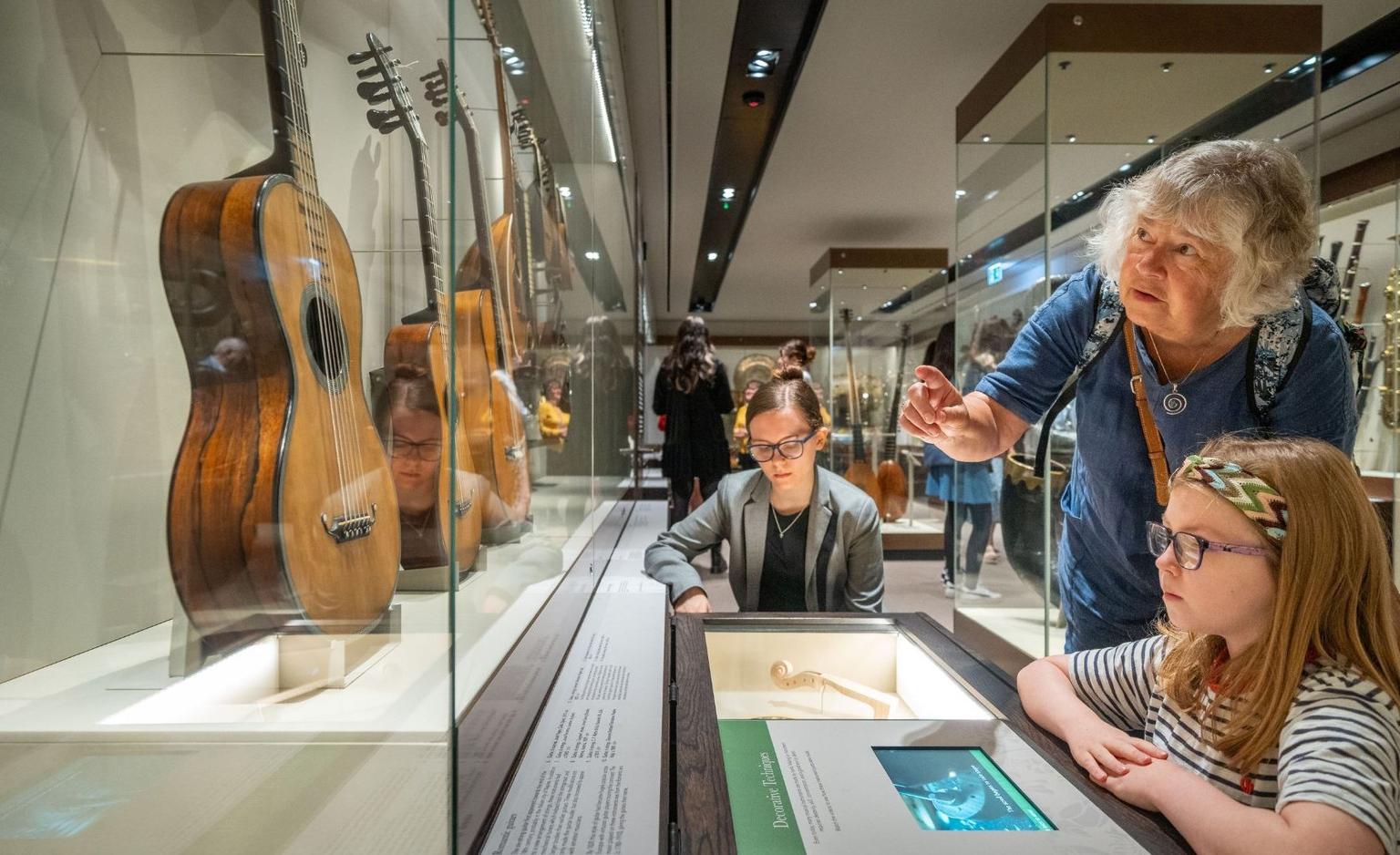
Get a National Art Pass and explore St Cecilia’s Hall Concert Room & Music Museum
You'll see more art and your membership will help museums across the UK
National Art Pass offers available at St Cecilia’s Hall Concert Room & Music Museum
20% off in shop
Expires: 1 Jan 2027
Visitor information
Address
50 Niddry Street, Cowgate, Edinburgh, Midlothian, EH1 1LG
01316 502600
Opening times
The museum is temporarily closed. For more information, please visit: https://www.stcecilias.ed.ac.uk/planning-your-visit/
Exclusions and safety measures
20% discount offered in our gift shop for National Art Pass holders applies to St Cecilia's Hall stock only.
The museum is free to enter and booking is not necessary.