“Local stories matter nationally”: Craven Museum on the impact of Museum of the Year

With applications for Art Fund Museum of the Year 2027 open until 7 January, we’ve been chatting to past finalists about the impact of being shortlisted for the prize. Craven Museum in Skipton was shortlisted in 2024. Danielle Daglan, head of culture and archives at North Yorkshire Council, tells us about the experience.
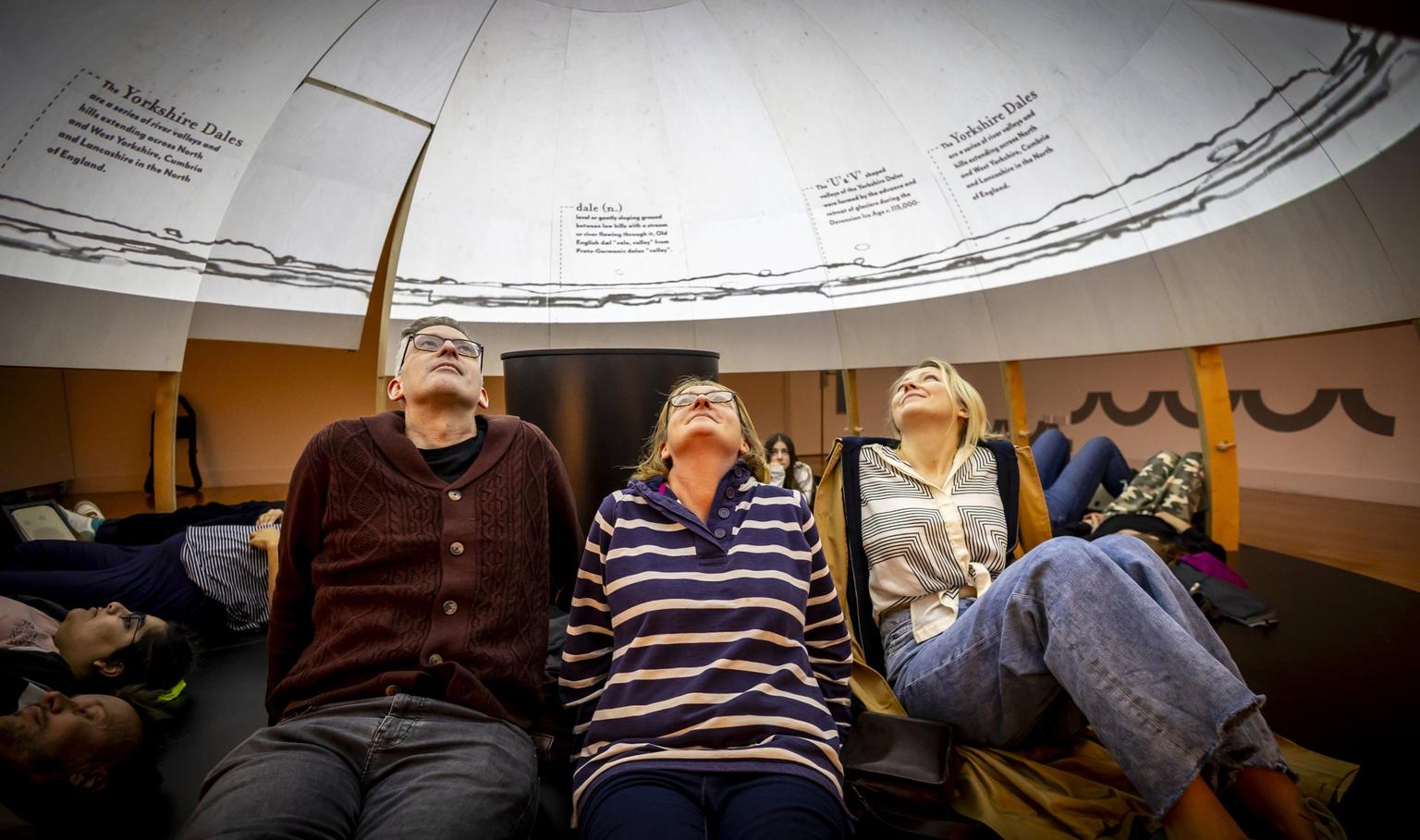
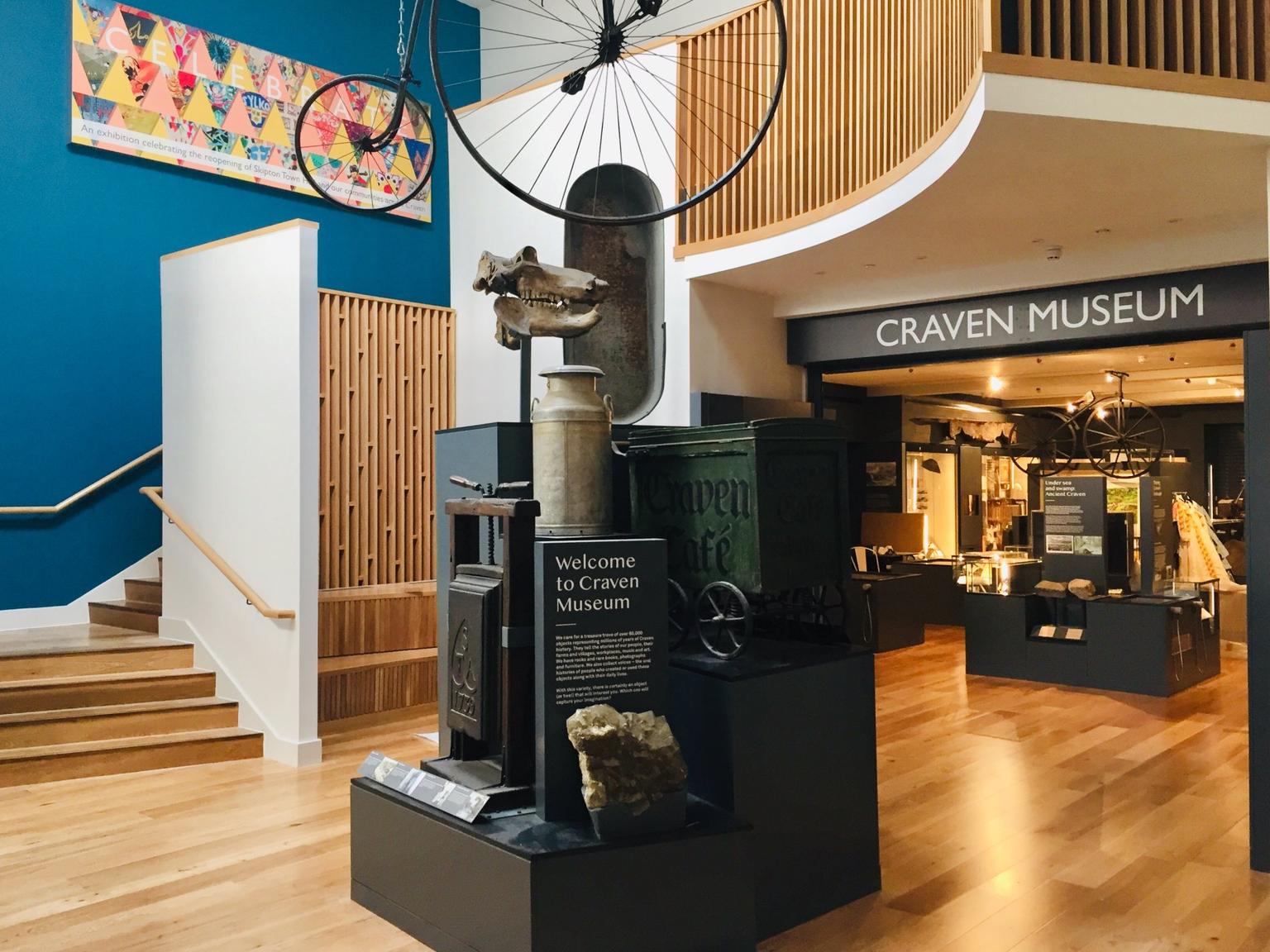
Housed inside Skipton Town Hall, Craven Museum explores the story of the local area – through archaeology, textiles, fine art, literature, social history and more. Overall winner of Kids in Museums’ Family Friendly Museum Award in 2023, it is recognised for its accessibility.
Craven Museum was shortlisted for Art Fund Museum of the Year in 2024, having programmed free or low-cost activities or events every day of the 2023 school holidays for families, in recognition of the cost-of-living crisis. The nomination followed a year in which the museum welcomed 156,391 visitors, an increase of roughly 56,000 visitors compared to the same period the previous year.
We spoke to Danielle Daglan, head of culture and archives at North Yorkshire Council, about the lasting benefits of being shortlisted and her advice for future applicants.
Stay tuned for more interviews with past finalists over the next few weeks.
Thinking of applying for Art Fund Museum of the Year 2027? Find out more about the prize and how to apply.
Art Fund: At the time, what did being shortlisted for Art Fund Museum of the Year mean to your museum, and what did you hope it would lead to?
Danielle Daglan: Being shortlisted was a hugely significant moment for Craven Museum. As a small rural museum, national recognition validated our belief that accessibility, inclusion and community engagement can have significant impact regardless of scale – it recognised the hard work of our staff, volunteers and partners and gave us confidence that our approach was resonating beyond our local area.
We hoped it would raise our profile, attract new audiences and create opportunities to share learning and inspire other small museums.
What impact did the recognition have on your museum's audiences, public profile and relationship with the local community?
The recognition created a real sense of pride across our community. It reinforced that outstanding cultural experiences can happen in rural places and that local stories matter nationally.
We saw increased interest in our work and greater awareness of our programmes, but what stood out most is that our wider community, our volunteers and all of our partners felt part of the achievement – the recognition wasn't just for the museum; it reflected the collective effort of the people who help shape it.
How did being shortlisted affect your team and staff?
The shortlisting gave the whole team a tremendous boost. Working in a small museum often means wearing many hats, so national recognition was a powerful validation of all of our hard work and ambition. It reinforced our confidence in our values-led approach and encouraged us to think even more ambitiously about what we could achieve.
Most importantly, it gave staff, volunteers and partners a shared sense of pride in the difference we were making to our community.
How has your prize money been spent, and what impact are you seeing from this funding?
We have used the prize funding to strengthen our commitment to accessibility and collections development. It is funding the creation of new audio guides to improve access for visually impaired visitors and has contributed towards a significant acquisition for the museum's collection.
These investments are helping us make our collections more accessible and engaging while ensuring important heritage can be preserved and shared for future generations. The funding has created lasting benefits that will continue to support audiences well beyond the prize award itself.
The funding has created lasting benefits that will continue to support audiences well beyond the prize award itself
Did the recognition create new opportunities with funders, partners, supporters, artists or other organisations?
Absolutely. The recognition strengthened our reputation and created new opportunities to build relationships with various cultural partners; it gave others confidence in the quality and impact of our work and helped open doors to new collaborations.
It also strengthened existing partnerships, enabling us to develop projects that reach wider audiences and support our ambitions around accessibility, inclusion and community engagement.
What advice would you give to museums considering applying for Art Fund Museum of the Year?
Be authentic and focus on impact rather than scale. I think the strength in our application came from the fact it demonstrated how accessibility, inclusion and community engagement are embedded throughout everything we do, rather than being confined to a single project. Don't underestimate the value of local relationships and community impact.
Involve colleagues across the organisation in the process and be clear about what makes your museum distinctive. The application process itself is also a valuable opportunity to reflect on and celebrate your achievements as a team.
Art Fund Museum of the Year is the world’s biggest museum prize. It champions what museums do, encourages more people to visit, and gets to the heart of what makes a great museum.
Applications for Art Fund Museum of the Year 2027 are open from 7 October 2026 until 7 January 2027.