Why Art Fund campaigns to save great works of art
Art Fund’s public campaigning to save great works of art is as vital a part of our charitable mission now as it was when the organisation was founded.
A version of this article first appeared in the winter 2025 issue of Art Quarterly, the membership magazine of Art Fund.
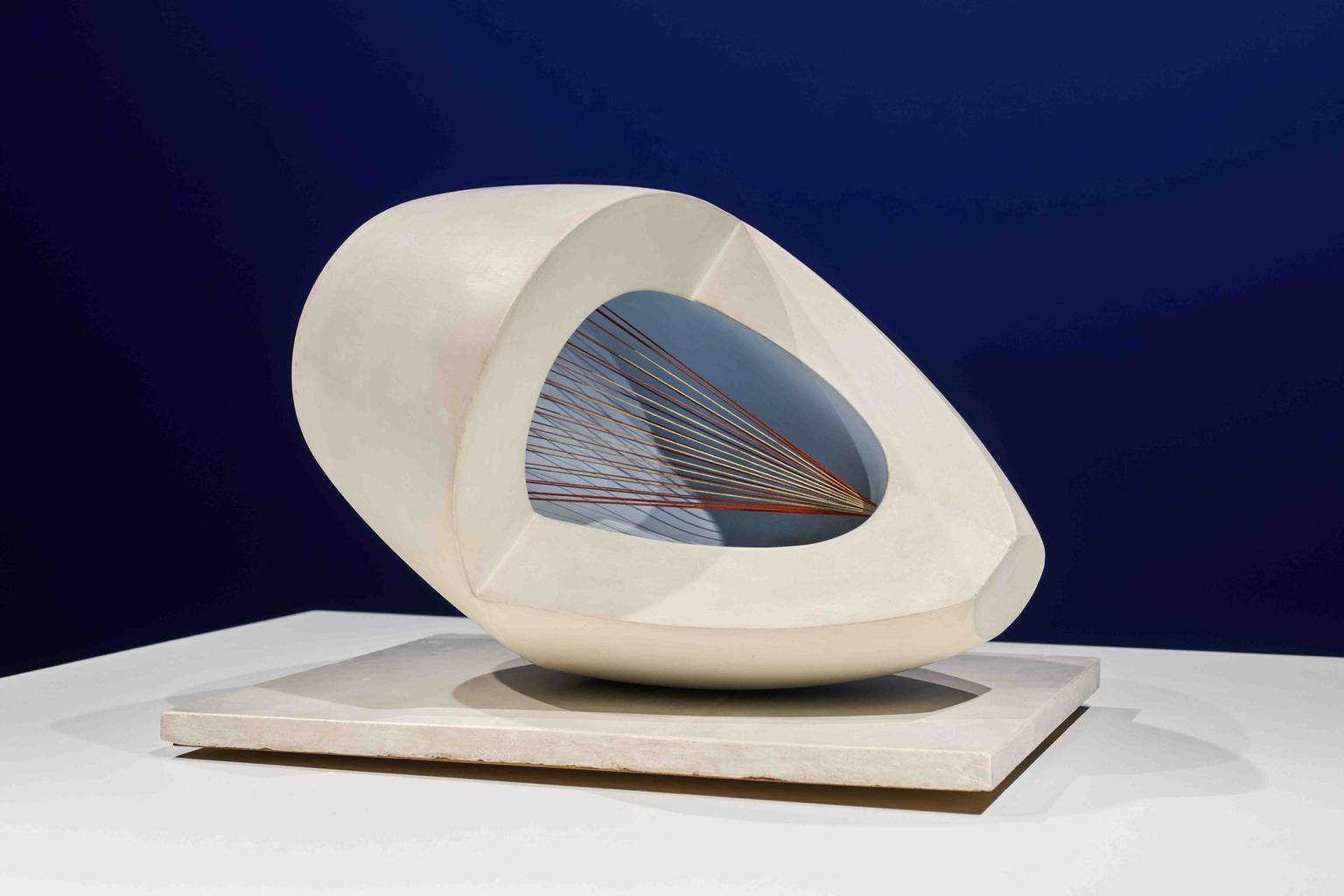
Together, we did it! In August we shared the brilliant news that our joint public campaign with The Hepworth Wakefield to raise the £3.8 million needed to save Barbara Hepworth’s Sculpture with Colour (Oval Form) Pale Blue and Red (1943) for the public had been successful, eight days ahead of the export-bar deadline.
If the money had not been raised in time, this pivotal work, which had been acquired by a private buyer, would have been at risk of being taken abroad and lost from public view forever. The sculpture is now in The Hepworth Wakefield’s collection, on display for all to enjoy, enabling the gallery to tell a more complete story of one the 20th century’s most important artists.
This would not have been possible without the support of generous donations made by more than 2,800 members of the public, alongside a major grant from The National Lottery Heritage Fund and significant support from the Deborah Loeb Brice Foundation, the Forster Foundation, Garcia Family Foundation, Garfield Weston Foundation, the Headley Trust, the Hepworth family, the Henry Moore Foundation, the Julia Rausing Trust and many others.
Art Fund’s exceptional grant of £750,000 was made possible by the support of all of you, our members, through your purchase of a National Art Pass. Your membership and the additional support many of you also give empowers our charitable work in funding art, building audiences and advocating for and supporting museums.
Campaigns such as this are a vitally important part of that work, and the Hepworth appeal builds on Art Fund’s long history as a campaigning membership organisation whose mission is to enable great art to be in public collections, shared with and enjoyed by as many people as possible.
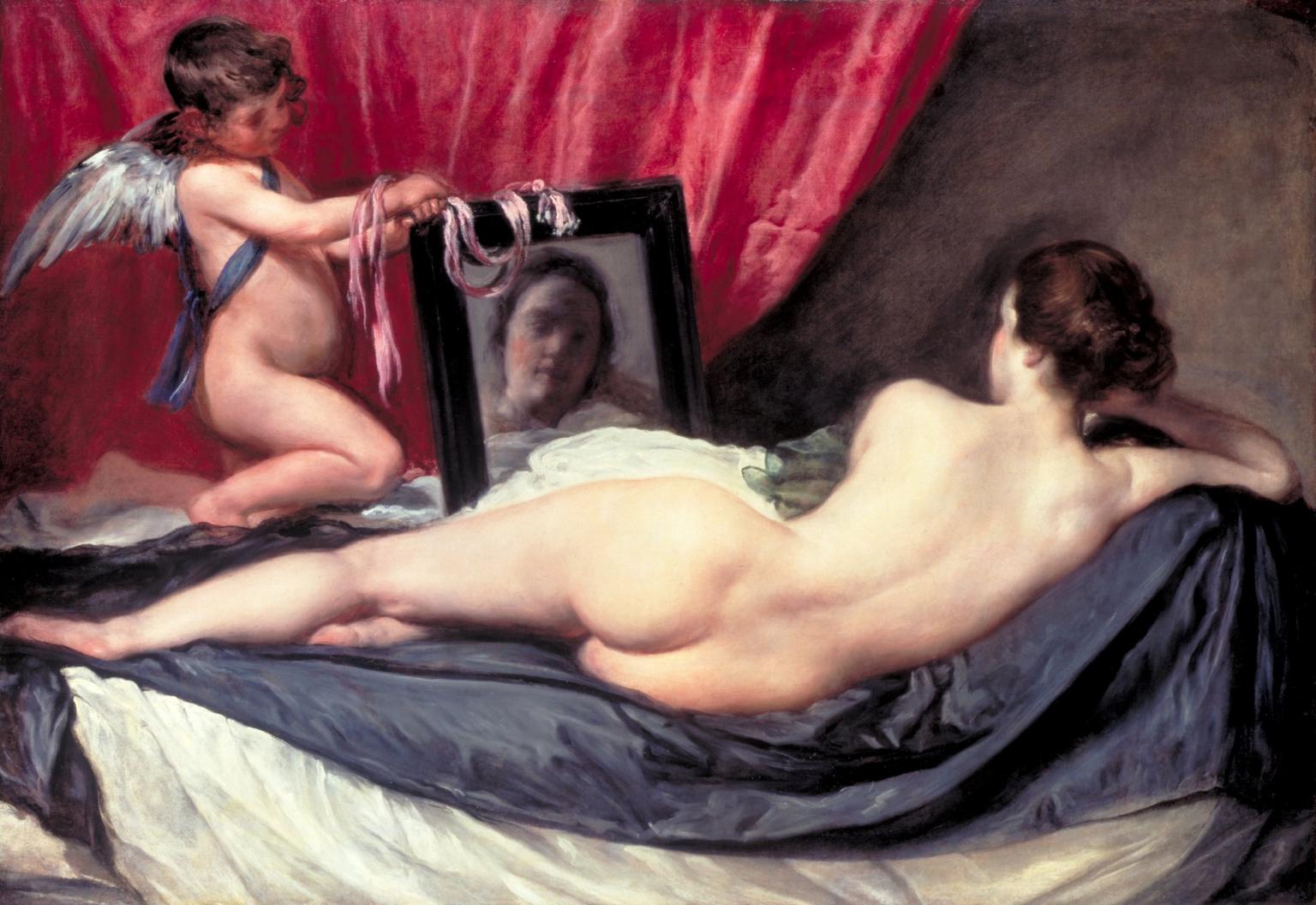
It was in 1905, just two years after the National Art Collections Fund (what is now Art Fund) was formed, that our public campaigning really came into its own. Our founders, a group of artists and philanthropists concerned by the lack of state funding for museums, saw an opportunity to save a great work of art for the nation. Diego Velázquez’s 17th-century painting The Toilet of Venus (known as The Rokeby Venus, after its then owner JBS Morritt of Rokeby Hall in Yorkshire) was put up for sale.
At a time of exceedingly high market prices and amid great press and public interest, the huge sum of £45,000 was needed to save the work for the public. Debates raged as to whether such a nude was suitable for a national collection, and with poverty and unemployment high, whether this was a charitable cause the public would get behind. Undeterred, Art Fund was successful in making the case, and with the vocal and financial support of its members was able to present the painting to the National Gallery in March 1906, where it remains today, one of the highlights of the collection.
In 2023, on the 120th anniversary of our founding, and in a similar art market and economic climate, Art Fund’s campaigning proved just as necessary when it supported the National Portrait Gallery’s (NPG) appeal to save Joshua Reynolds’ c1776 Portrait of Mai (Omai), depicting the first Polynesian visitor to Britain, for the public.
Art Fund’s grant of £2.5 million, our largest to date, joined by the donations of more than 2,000 of our members, along with the generous support of individuals and trusts, helped secure the landmark joint acquisition of the work for the NPG and the Getty Museum in the US.
On display at the NPG when it reopened in June 2023, the painting is now on its first national tour, ‘Journeys with Mai (Te tere o Mai)’, where it is bringing together conversations across centuries with historic and contemporary artworks and objects from Western and Polynesian cultures. Mai is at the Fitzwilliam Museum, Cambridge (to 1 February 2026), before travelling to the Box in Plymouth (14 February to 14 June 2026).
In the century between The Rokeby Venus and Portrait of Mai appeals, Art Fund’s public campaigning has brought our members, supporters and the public together to raise the money to bring many great artworks and objects into public collections that might otherwise have disappeared from public view.
In 1962 an Art Fund-led appeal saved Leonardo da Vinci’s only surviving large-scale drawing, The Burlington House Cartoon, for the National Gallery. The Staffordshire Hoard was saved for Birmingham Museum & Art Gallery and the Potteries Museum & Art Gallery following a public campaign in 2010; the V&A Wedgwood Collection, housed in Stoke-on-Trent, was saved by an Art Fund-led campaign in 2014; and, in 2020, artist and filmmaker Derek Jarman’s Prospect Cottage and archive were saved, enabling them to continue to be a source of creative inspiration.
We never know when important works such as these will come up for sale or be export-stopped, providing the opportunity for a UK museum to try to raise the funds to acquire them for the public, within an appointed deadline. What we do know is that, with the support of our members, we can continue to stand ready to help museums acquire vitally important works for public view, and we thank you, and all our funding partners, for your continued support.