Polly Braden: ‘Young people are incredibly hopeful, and they give me hope’
David Trigg talks to the social-documentary photographer whose projects not only give her subjects agency and visibility but also create real change.
A version of this article first appeared in the summer 2026 issue of Art Quarterly, the membership magazine of Art Fund.
Who is Polly Braden?
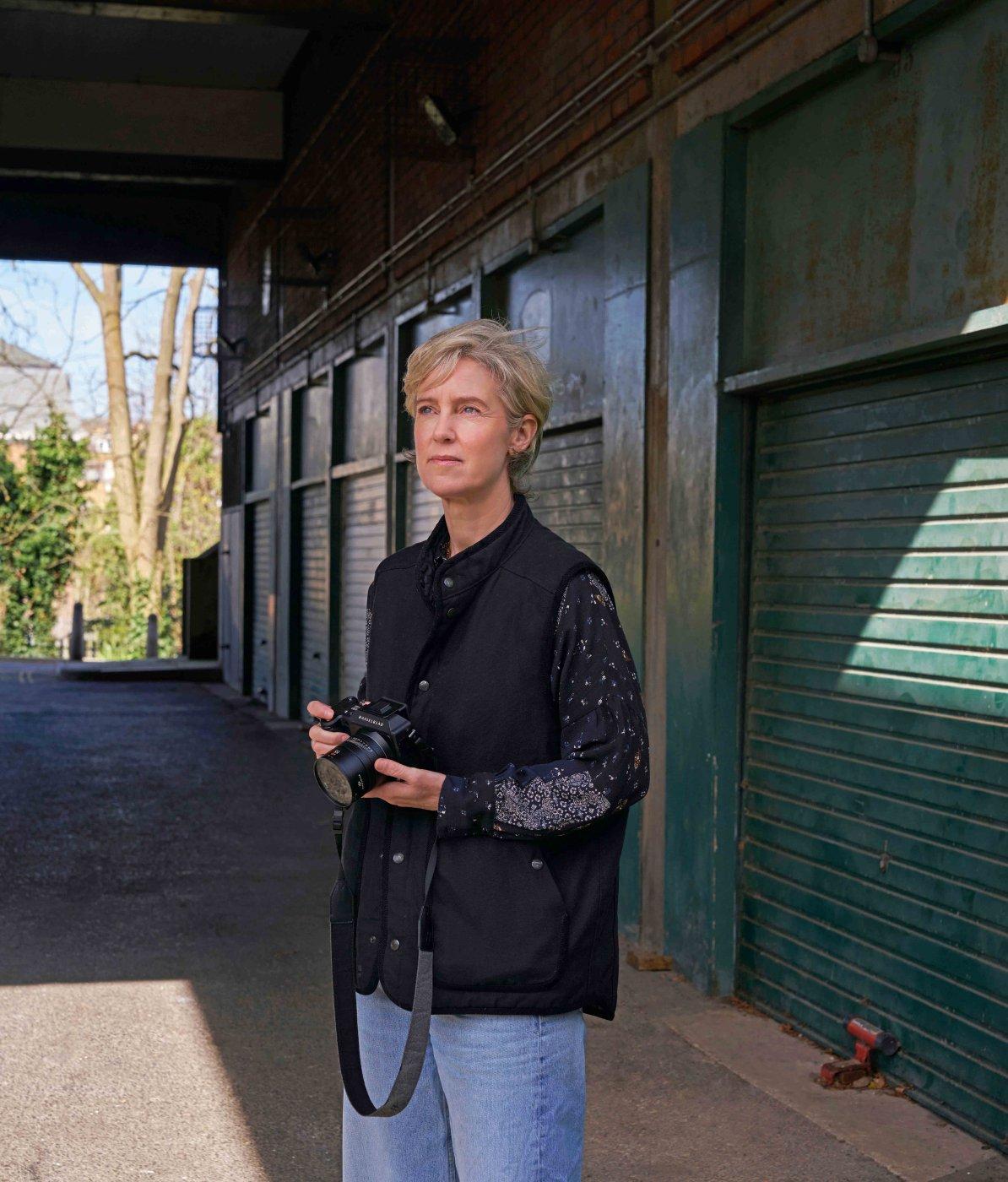
London-based Polly Braden was born in Perthshire, Scotland, in 1974. Her intimate and acutely observed portraits emerge from long-term collaborations, often developed over months and years of sustained engagement with her subjects. Working with deep empathy, she explores the daily lives of people from overlooked communities, such as those with learning disabilities, single parents and women displaced by war. In recent years she has collaborated with journalists to produce extended photo-essays in the UK, Morocco, Kenya, the Middle East and China.
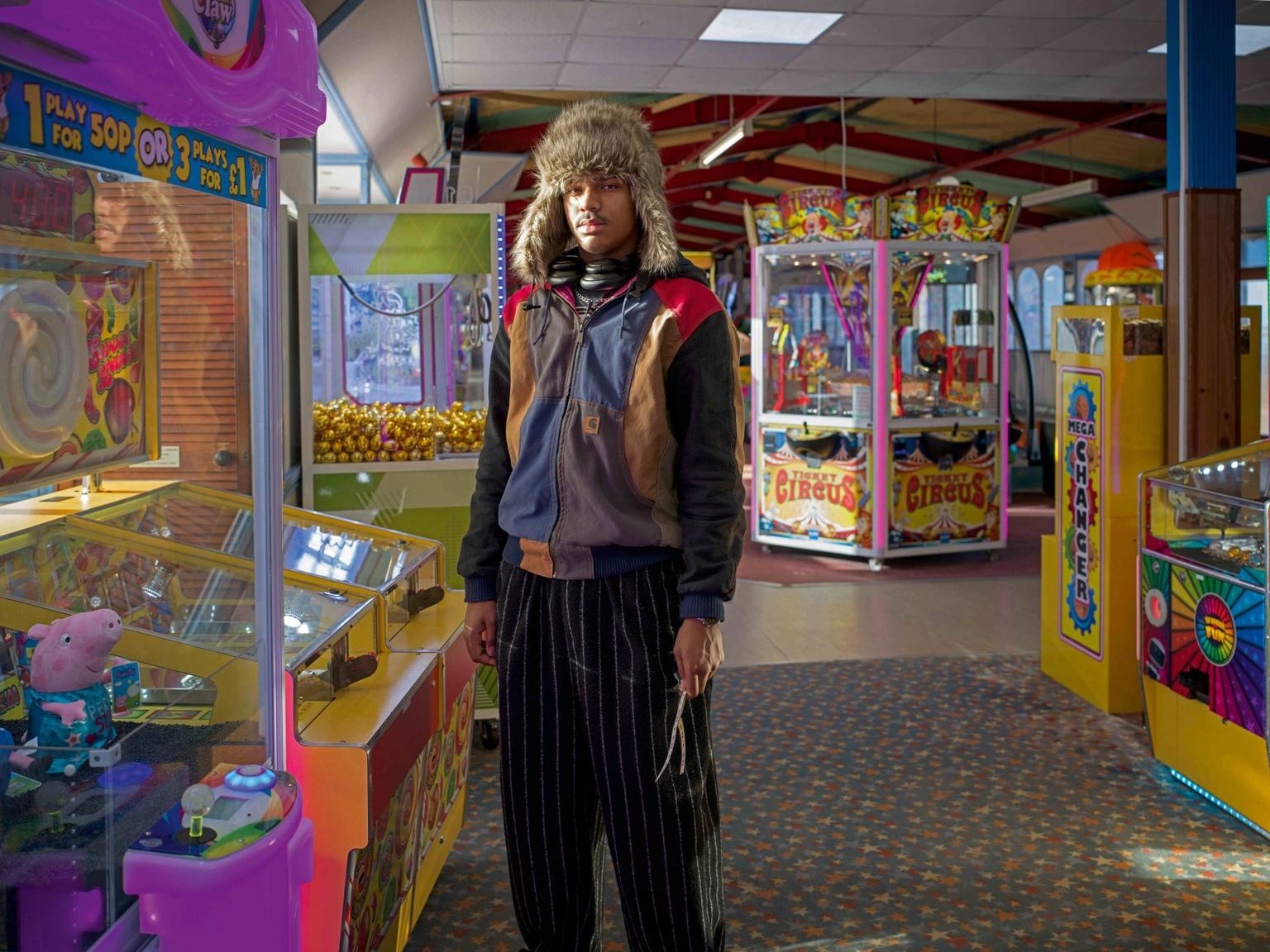
Braden’s most recent project, Against the Tide, is a collaboration with The Guardian newspaper examining the lives, struggles and resilience of young people living in coastal communities across England and Wales, which are counted among the UK’s most deprived. Telling the diverse stories of 16- to 25-year-olds, her exhibition – opening in June at Arnolfini, Bristol – navigates seaside towns such as Whitehaven, Tendring, Blackpool and Weston-super-Mare, spotlighting personal stories of social and economic challenge alongside the energy and creativity bubbling under the surface.
How did your latest project, Against the Tide, get started?
I read [Chief Medical Officer for England] Professor Chris Whitty’s 2021 report about the poorer health outcomes of people living in coastal communities, which highlighted the disparities between these places and their inland neighbours. At the same time, I was really interested in doing some work about young people and discovered there was a lot of research being done into the wellbeing of this demographic in British coastal towns: Suzanne Wilson at the University of Lancashire, Avril Keating at UCL and Emily Murray at the University of Essex are all examining how life chances are drastically reduced if you grow up on the coast.
I went to The Guardian and asked if they’d be interested and then secured Arts Council funding for a big, year-long project that has involved photography, long-form journalism, film, community partnerships and a touring exhibition.
Why focus on young people specifically?
I have two teenagers, a 17- and a 19-year-old, and I feel that this age group have had a really rough ride. They went through Covid, and funding for youth services in England and Wales has suffered a real-terms cut of 70% since 2010.
In Rhyl we went out with youth workers in the evening and spoke to young people outside McDonald’s who said there wasn’t anything for them to do. Also, local press reporting around young people mostly focuses on antisocial behaviour. But young people are incredibly hopeful, and they give me hope. The project is about showing young people as the inspiring, complicated, complex people that they are, which I hope will create positive dialogue around the issues they face.
How did you go about finding the young people that you ended up photographing?
At first, I didn’t do any photography and spent about a year building relationships. I started with lots of research and phone calls, speaking to people on the ground. Then I went to different places and ran workshops and gave talks, which helped me find inspirational young people who wanted to talk about their towns, their wants and hopes.
But it wasn’t just about young people, I wanted the whole community to be involved because I’m telling a bigger story. So I met with politicians, youth workers, academics and community leaders. But it takes time to build really good partnerships, so only about 10% of my time has actually been spent doing photography, the rest has been forging relationships.
What have you learned about the challenges facing young people living in coastal communities?
There are multiple challenges: bad housing, poor educational and employment opportunities, lack of youth services and crumbling infrastructure. Seasonal work is a massive problem; they’ll work loads over the summer in jobs centred on hospitality and tourism, but then over the winter they are on fewer hours and a very low income. Unreliable public transport means that there are kids who can’t travel to jobs or get to college.
The academic research shows that young people in deprived coastal areas are three times more likely to be living with an undiagnosed mental-health condition than their peers in equivalent places inland. The government’s Pride in Place Strategy is starting to help as it aims to put significant investment into deprived communities across the country, and it is long-term funding that will really make the difference.
How did you collaborate with the young people in the process of image-making?
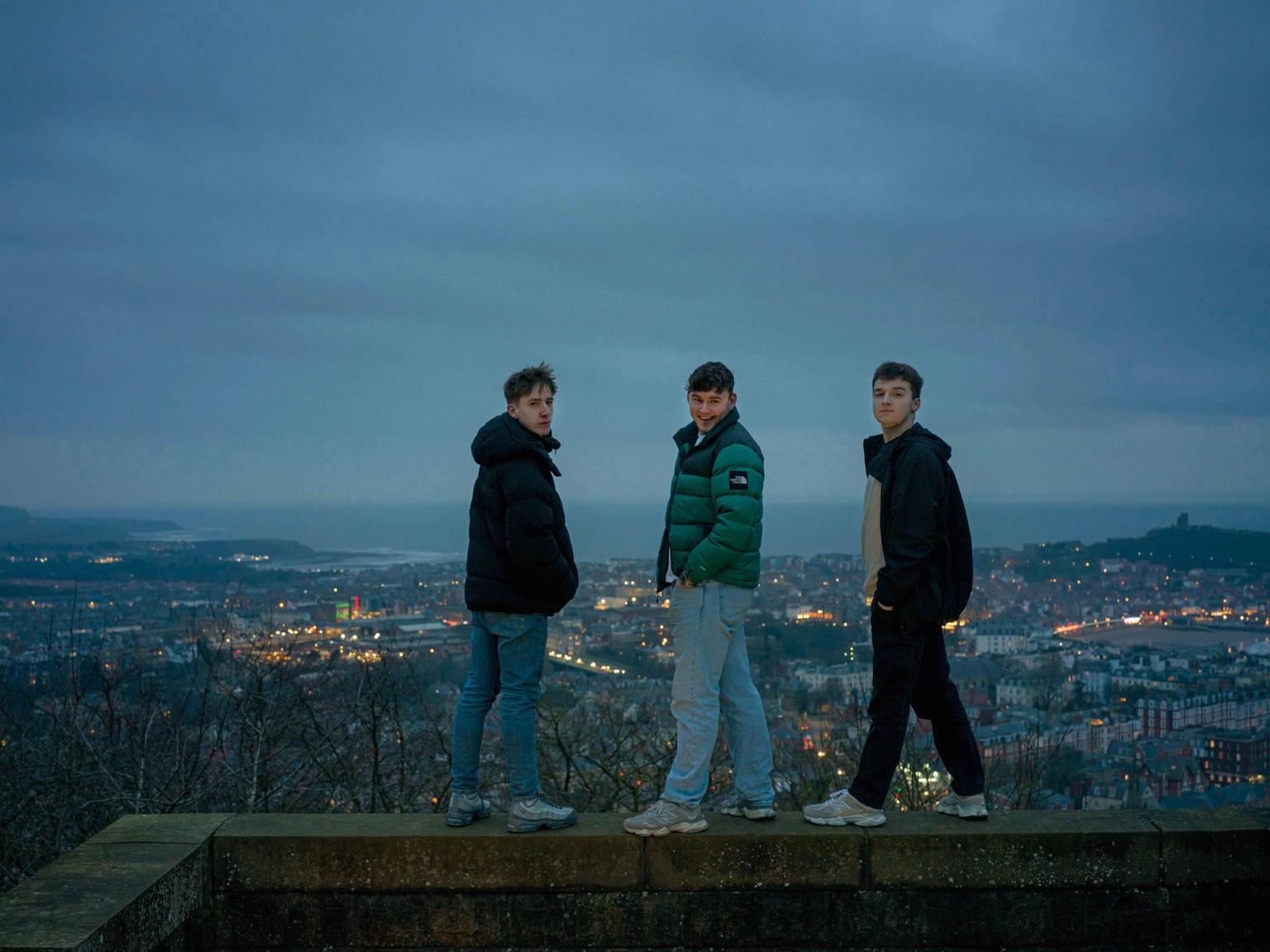
I started by chatting and listening to what they’re up to, hearing what’s important to them and then taking pictures. For example, there’s a group of three lads, Charlie, Keane and Jack, from Eastfield, south of Scarborough – budding actors who I met through a theatre organisation. I asked if they wanted to show me around their area, so we jumped in the car and they drove me around. They told me about a racetrack at Oliver’s Mount, overlooking Scarborough, where they would go and hang out, so we went there. By now it was twilight and tipping with rain. The lads stood on this wall, overlooking the town, which was all lit up below, and I took the image.
You spend months forging relationships with the people that you photograph. Why do you like to work in this way?
Each person has a story to tell and this tends to come out the more you get to know them. There’s a woman I photographed in Weston-super-Mare and the first time I met her it was so formal; she was obviously nervous and maybe so was I. But the second time we met, she was really relaxed and there was just this lovely, creative atmosphere.
It’s so different the second time you meet someone, let alone the third or the fourth time because you’ve moved beyond that first formal meeting and have had other discussions. A photograph really feels that difference. That doesn’t mean you can’t get a good picture the first time, but my work is about people having an experience that goes beyond me taking a photograph.
I take inspiration from the American photographer Alessandra Sanguinetti, who is brilliant at long-term projects. She has a beautiful series documenting the evolving relationship between two cousins in Argentina, first as nine-year-old girls and then through to adolescence and adulthood.
What work will you be exhibiting in the Arnolfini show this summer?
The main exhibition is going to be a selection of my photographs and a film about a year in the life of four young people from Blackpool. They all attend a dance and youth-culture hub called House of Wingz, which has helped many people in the city, whether that has been through coming out of periods of depression or teaching them new skills.
The film is about them transitioning from childhood to adulthood and the struggles of forging an independent life in a complicated place. There’s lots of dancing, and we’re really pleased to have secured permission to use Domino Dancing by the Pet Shop Boys for the soundtrack because Chris Lowe is from Fleetwood, north of Blackpool. Another element is a postcard exchange, which grew out of workshops run by four local artists.
The young people made images of their local town the way they wanted it to be seen, which we turned into postcards. Then the workshop groups wrote postcards to one another, which they then responded to. So at the heart of the show will be all these conversations between young people talking about their lives.
Do you have a favourite image that has come out of the project?
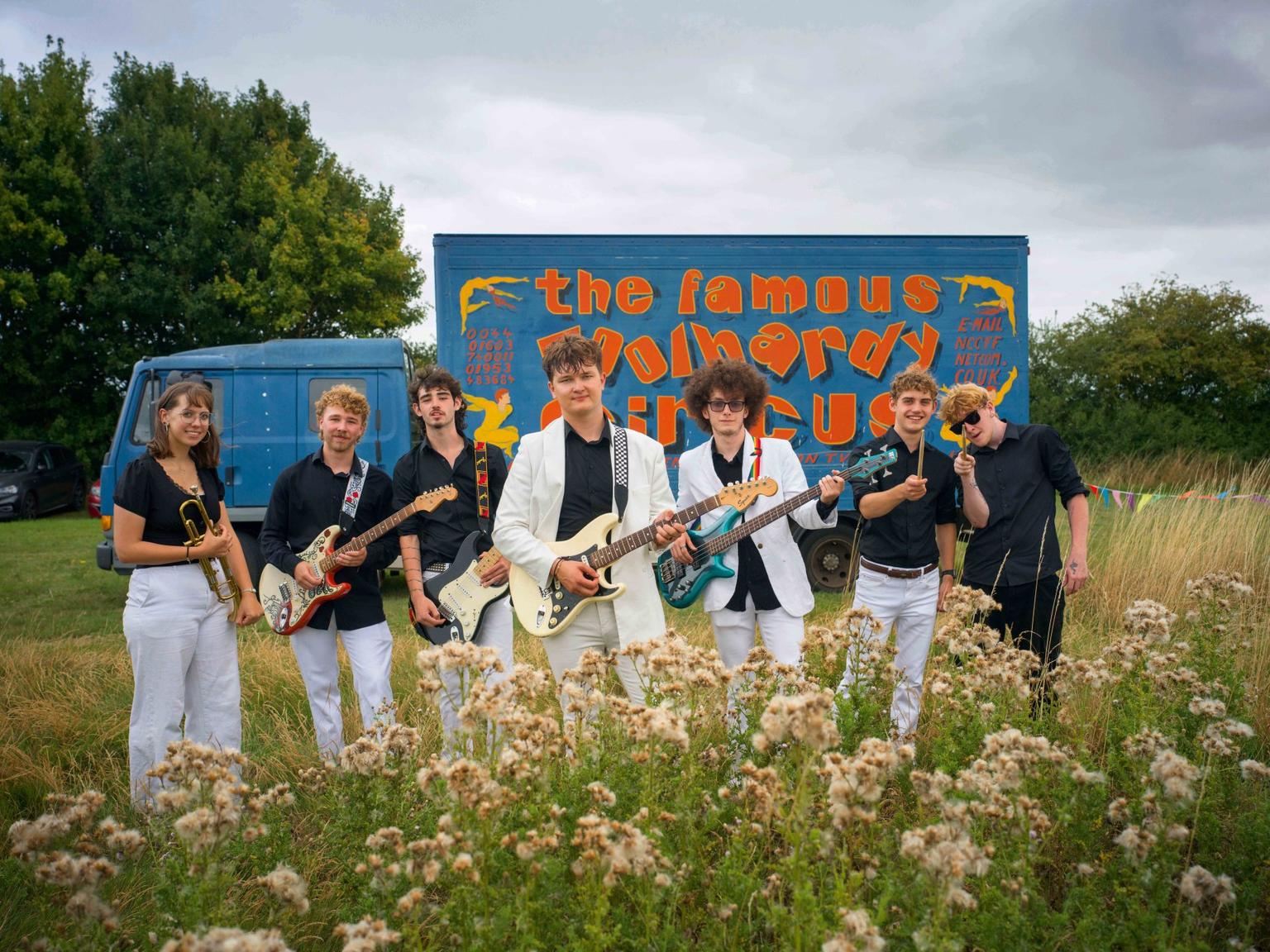
There are quite a few favourites; the one in Scarborough that I mentioned is really beautiful, and I love some of the characters in the pictures I took in Portsmouth and Blackpool of young people being active. One of my favourites, though, is of a band called Voyage in Harwich. They had been playing a gig in a tent, and I’d been hanging out with the frontman, Kyle, and his bandmates, and they were all wearing these great suits, so I got them to stand with their guitars outside in a field of long grasses. It was a very quick snap, and they were very sweaty after the gig, but it has such a great energy.
What have been some of the positive outcomes from the project so far?
After the articles started being published in The Guardian we were invited into Parliament to present our work at an All-Party Parliamentary Group on coastal communities. We will be taking 16 young people from all around the coast to speak in Westminster [in May] which is amazing. The project’s stories are being used to promote real change, especially around the area of youth services.
Our reporting has already helped save a youth centre in Ramsgate and Thanet, which was going to be closed down, and the government has committed to reopen 250 youth centres around the country. There’s also lots of training happening through the project. I’ve got workshops running with local photographers who are teaching young people to photograph their towns, and we have a young trainee journalist working with us at The Guardian. We’re teaching young people to tell stories about themselves that can then feed into policy making.
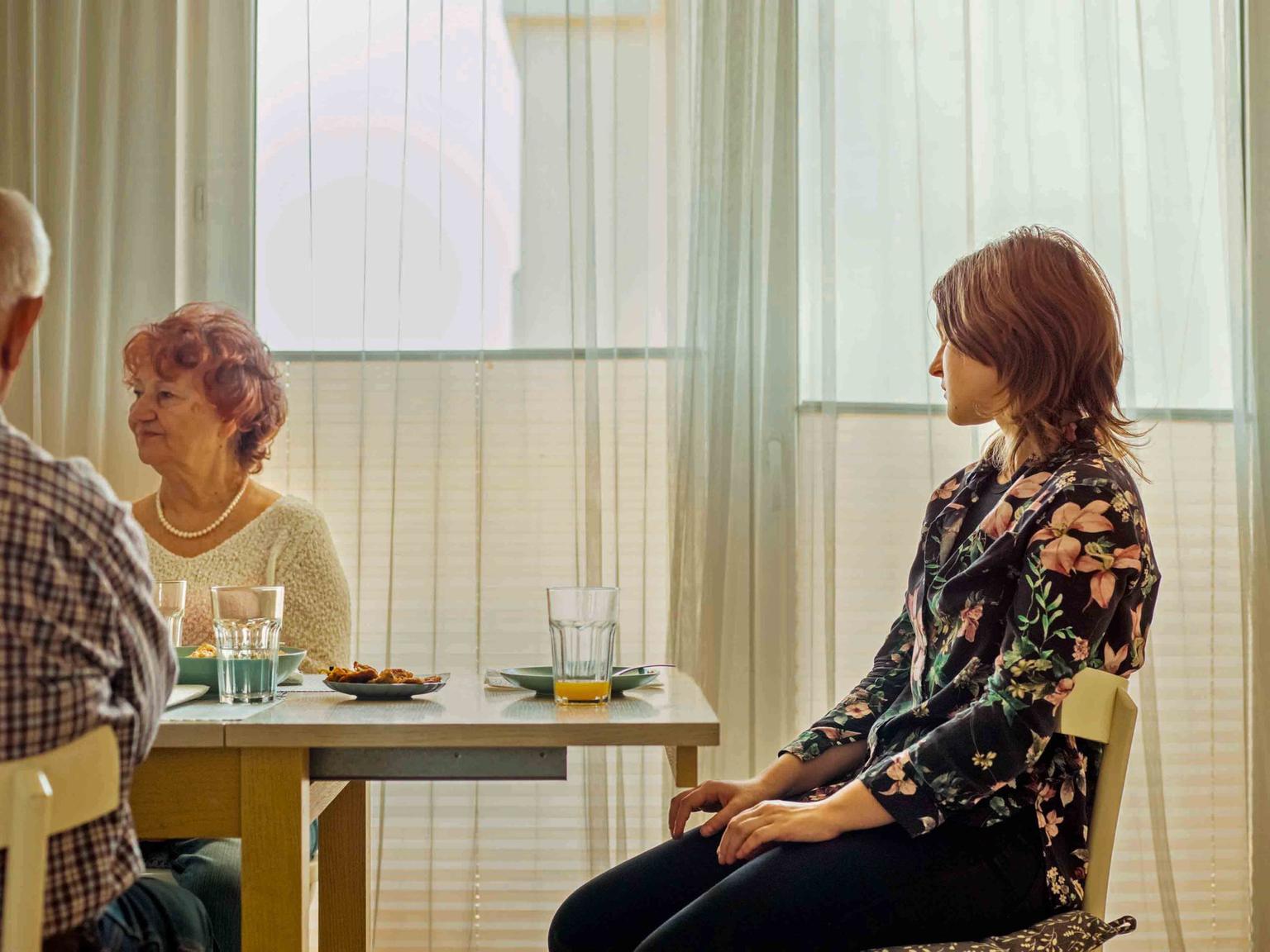
In previous projects you have worked with single parents, people with learning difficulties and displaced Ukrainian women and children. What draws you to a subject?
I’m really interested in people and their stories. I think it partly goes back to my undergraduate days when I was studying European Studies, which was all about social policy. Holding the Baby (2019-20), in which I document the day-to-day reality of what it means to be a single parent in the UK, came about because in 2018 I became a single parent myself. All too quickly, I was made aware of how complex and challenging it is, and I wanted to confront some of the prejudices and policies that impact the parent who has stayed.
Leaving Ukraine (2022-24) led on from that because it was about the women who had fled the war there and how they were going to bring up their kids. They’ve had to start a whole new life in a new country, and that just felt like an incredible thing to try to understand.
Thanks to smartphones, more people are making photographs than ever. What is the role of documentary photography in our image-saturated culture?
Anyone can take pictures on their phone but so much of it stays there. For a while, newspaper photography was terrible but now, because everything has to be Instagrammable and everything has to be online, news organisations are leaning into quality documentary photography again. Good pictures are worth something again now. But photographers have to be able to make film as well, so it’s become a real mix of moving image, stills and words. For me, good documentary photography is about connecting with people and telling stories.
Polly Braden: Against the Tide, 27 June to 27 September, Arnolfini, Bristol. Free to all, 10% off in shop with National Art Pass.
Polly Braden: Against the Tide, 1 October to 1 February 2027, Firstsite, Colchester. Free to all, 10% off in shop with National Art Pass.