Your support in action – winter 2025-26
From contemporary painting to a historic carved ivory panel, dive into stories behind the art that National Art Pass holders recently helped museums acquire.
What's your favourite kind of art? Whether it's historic Renaissance paintings, contemporary video installations, or hoards of treasure – since we were founded in 1903, we've probably helped a museum acquire it. Every year, we give between £3m and £4m to help museums and galleries buy important works to ensure they stay in public hands, for us all to enjoy. And this vital work would not be possible without every single person who purchases a National Art Pass.
From the Whitworth in Manchester's acquisition of a pastel drawing by John Lyons, to Norwich Castle Museum & Art Gallery's acquisition of a 14th-century carved ivory panel – below, we've spotlighted 15 works of art that museums recently acquired with Art Fund support.
The works of art you've recently supported
Five ceramics and seven works on paper
Jacqueline Poncelet
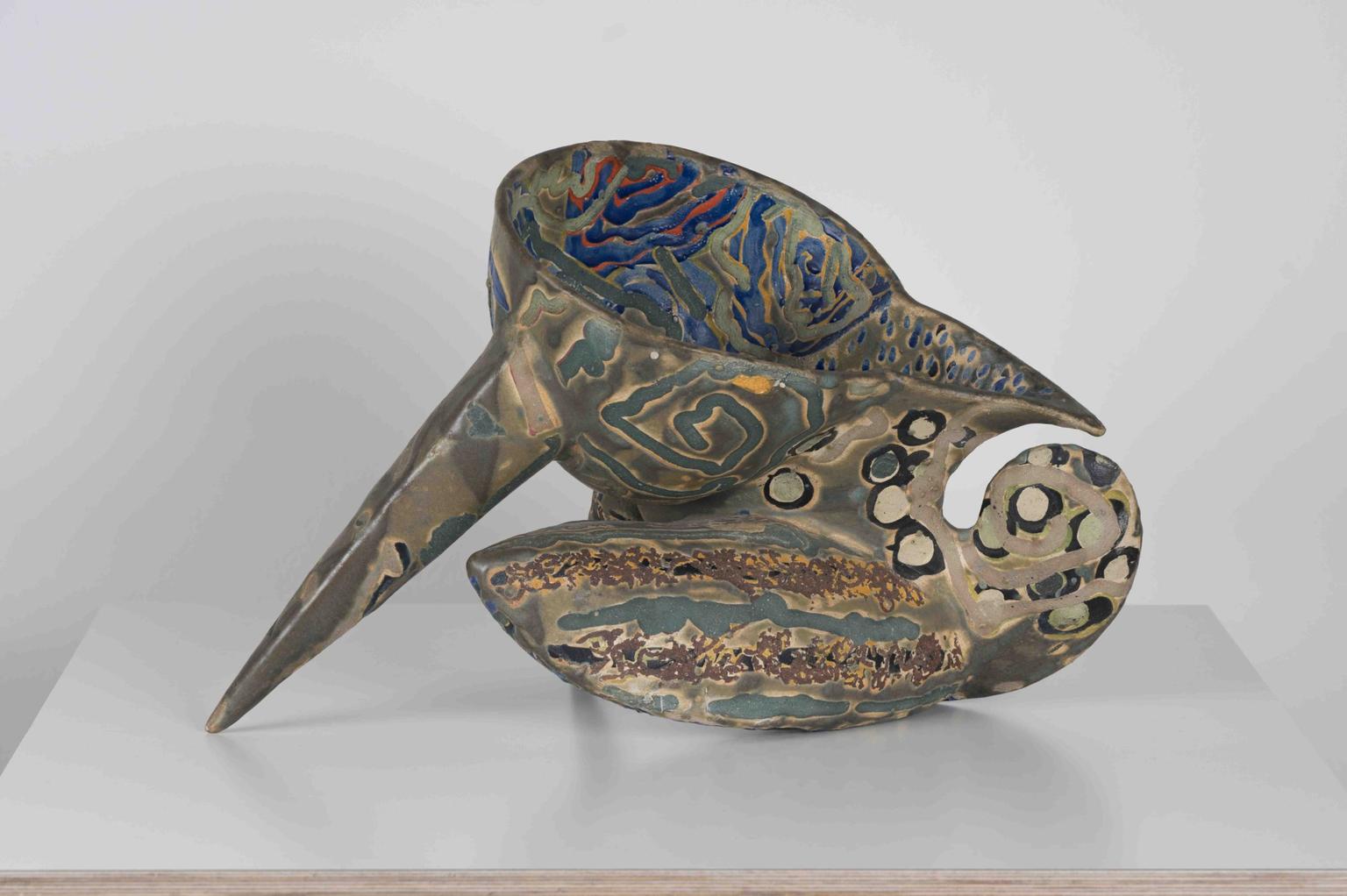
Despite her influence, Jacqueline Poncelet’s work produced over the past 30 years has been underrepresented in the UK’s public collections. In 2025, with the Freelands Art Fund Acquisition grant, MIMA acquired 12 of her works, eight of which date to between 2009 and 2023.
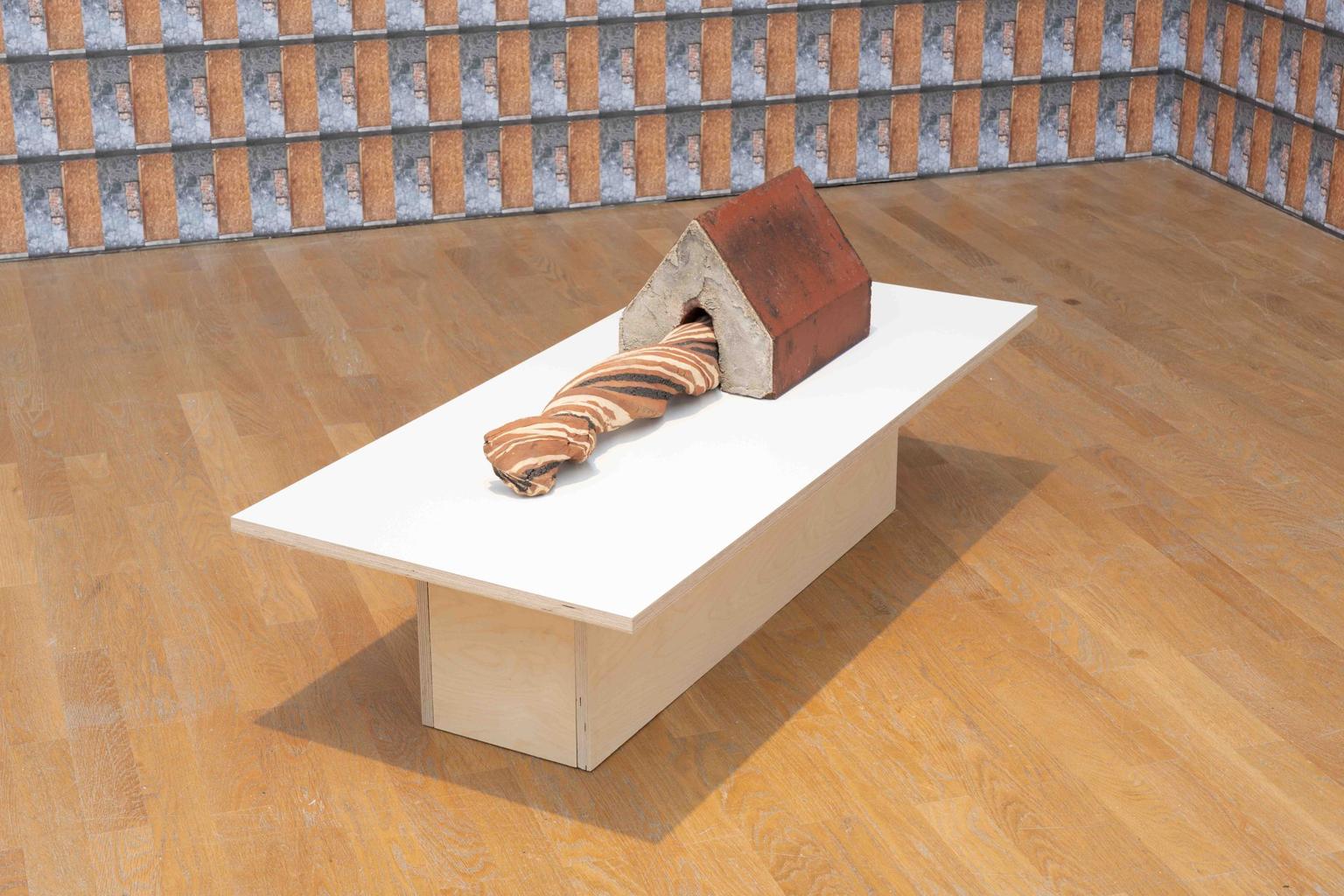
Carefully selected to illuminate Poncelet’s mastery of pattern and expertise as a maker, this substantial acquisition spans 40 years and represents the spectrum of her lyrical practice. It includes a sculptural vessel, slab-built with inlaid clays (1983), and three slip-cast porcelain tiles patterned with textures and coloured glazes (1982-88), six abstract watercolours (2009-2011), one larger abstracted landscape painting (2023) and a sculpture made from clay and a found roof tile (House, 2017).
This text has been written by Elinor Morgan, assocate curator: strategic partnerships & research at MIMA, Middlesborough Institute of Modern Art.
Black Atlas
Edward George
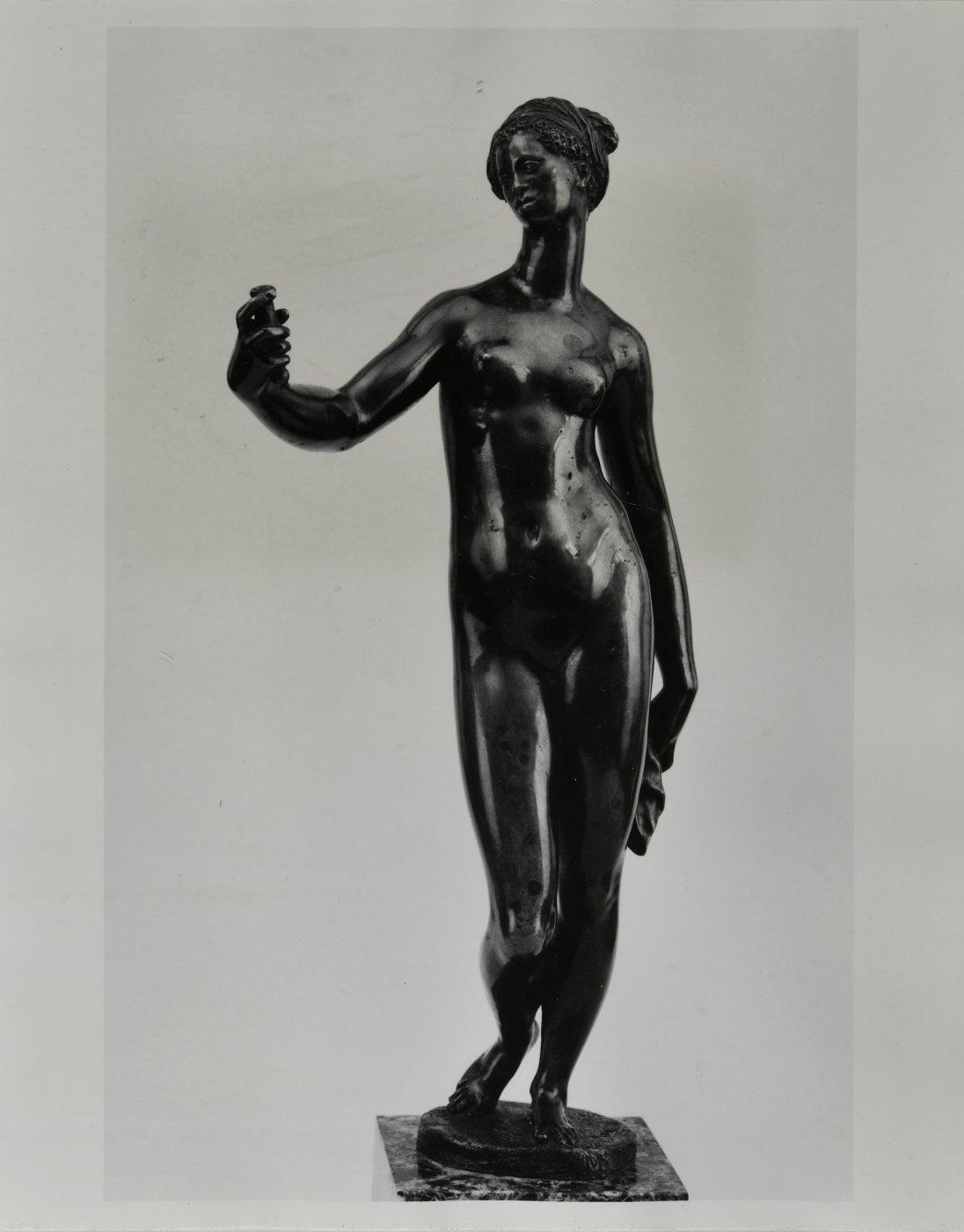
Edward George’s film Black Atlas responds to the historian Aby Warburg’s Bilderatlas Mnemosyne, a collage of photographs and cuttings created in the 1920s by Warburg to trace recurring themes in art from antiquity to his day.
George’s film maps an alternative history by presenting a sequence of photographs from the Warburg Institute’s Menil Archive of The Image of the Black in Western Art. This groundbreaking archive contains more than 30,000 photographs of paintings, sculpture, manuscripts and other objects that depict people of African descent in Western art from ancient Egypt to the Civil Rights era.
George is a multidisciplinary artist, composer, DJ and founding member of the Black Audio Film Collective, known for his work exploring Black musical cultures and Britain’s colonial past. The film joins the Warburg Institute’s special collections as the first in a new series of commissions that will interrogate its holdings.
My Mother Earth Is Black Like Me (Mama Earth)
John Lyons
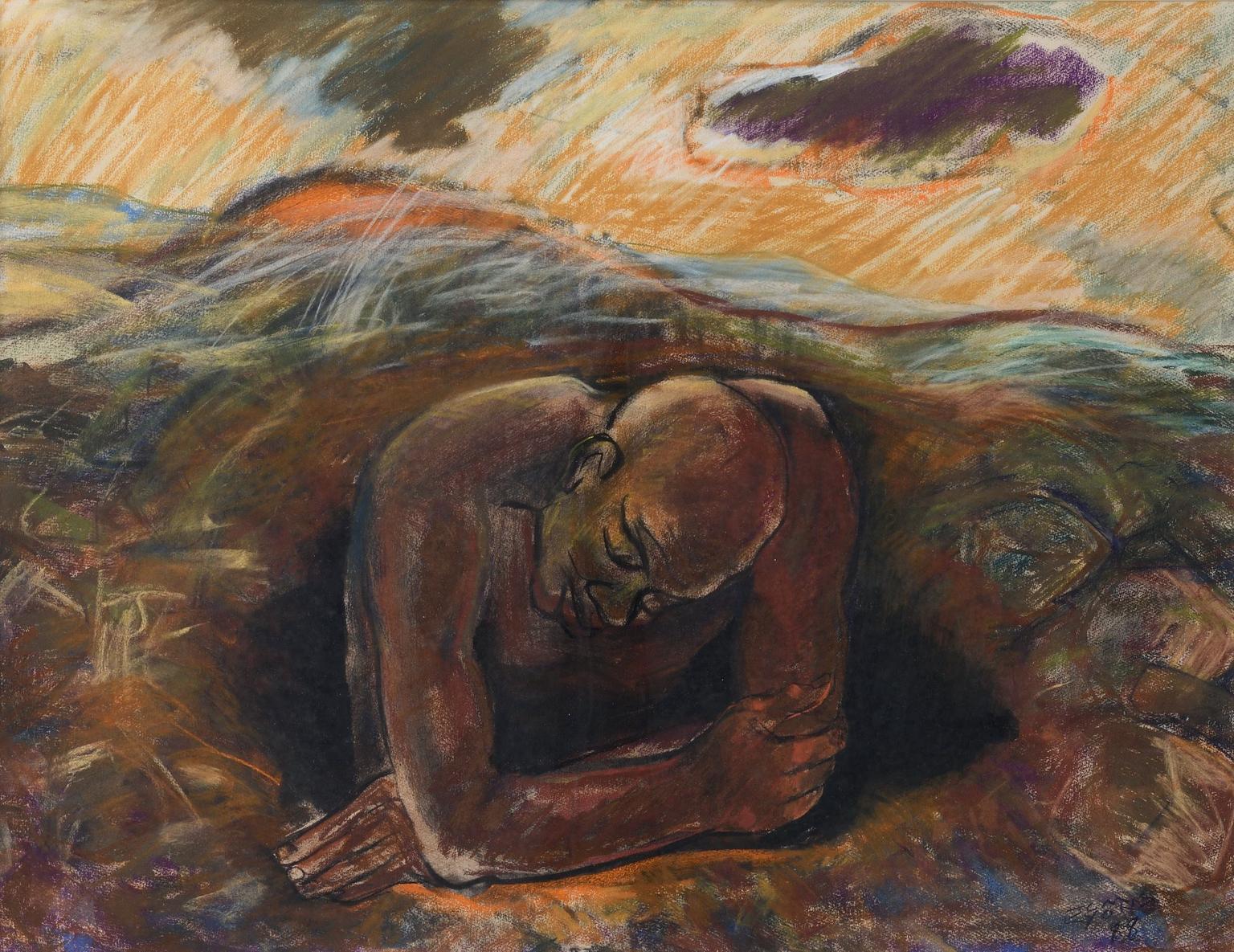
John Lyons’ pastel drawing shows a figure cocooned in the ground with rolling hills and clouds in the background. The artist has previously said that the inspiration for the picture came from his experience standing on a patch of ground at the back of a house in London soon after his arrival from the Caribbean in 1959. He remembers the thought that struck him at the time: ‘I have a right to be here, to belong to this planet Earth wherever I am.’
Born in Trinidad, Lyons came to London to study art at Goldsmiths’ College. He later worked as a teacher in Manchester while continuing his career as an artist and poet. In the 1980s, he began using his heritage directly in his paintings and drawings, with references to his homeland’s folklore, beliefs and rituals.
The work joins the collection at the Whitworth following the gallery's 2024 retrospective of Lyons’ career.
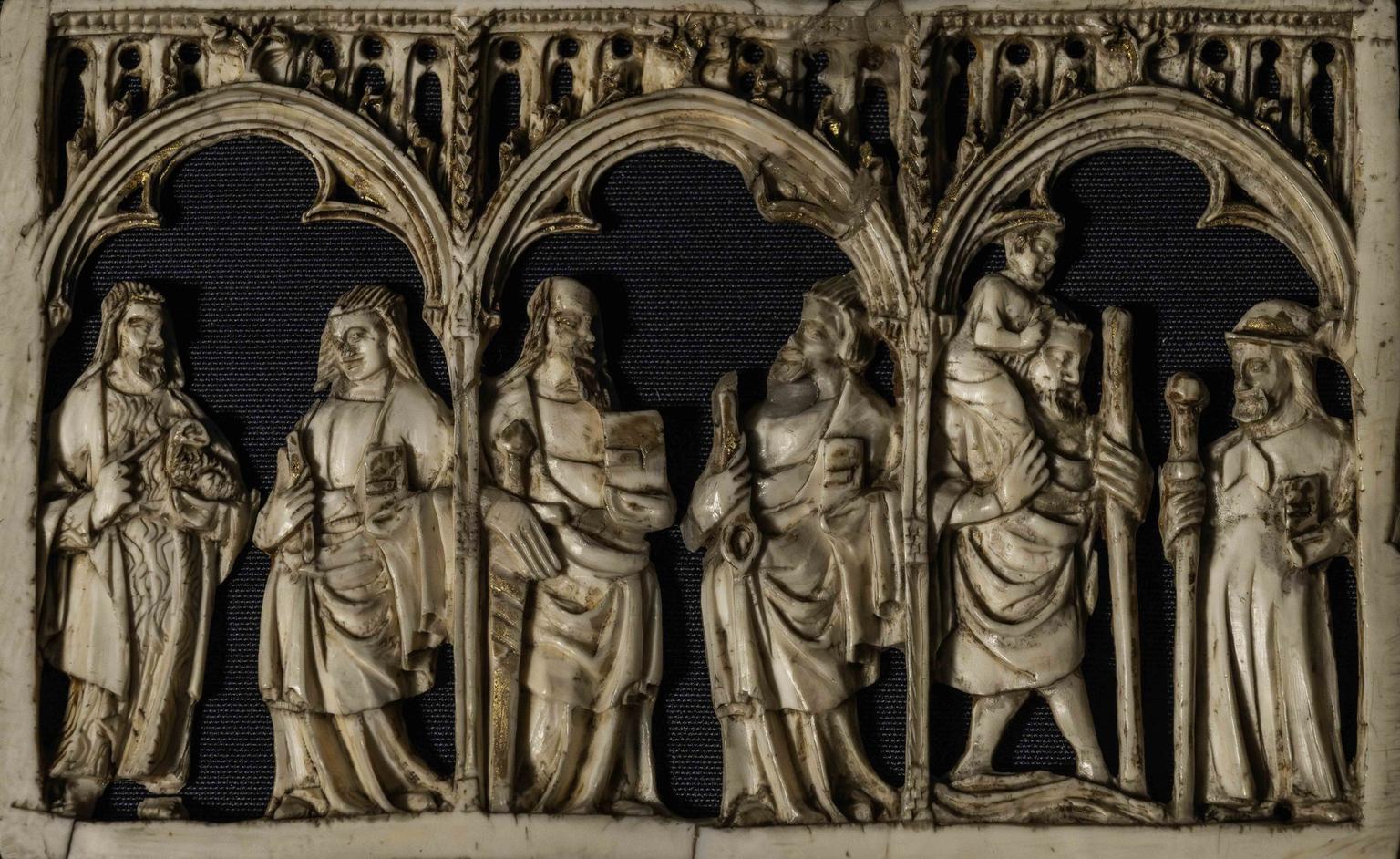
Carved ivory panel
Unknown
This delicately carved ivory panel shows six saints framed by an arcade of Gothic arches. Each saint can be identified by their symbolism: St John the Baptist and St John the Evangelist in the left arch, St Paul and St Peter in the centre, and St Christopher and St James in the right arch. Ongoing research suggests it is of Flemish or English origin, carved around 1320-40.
The ivory panel is currently on display in Norwich Castle Museum’s new Gallery of Medieval Life, which opened last summer as part of the £27.5m redevelopment of the 12th-century keep. The museum is keen to express how public collections are enhanced by gifts such as this, and how it can ensure conditions for their conservation and care, as well as scholarly research around their origins and purpose.