Meet the curator behind Turner & Constable: Rivals & Originals at Tate Britain
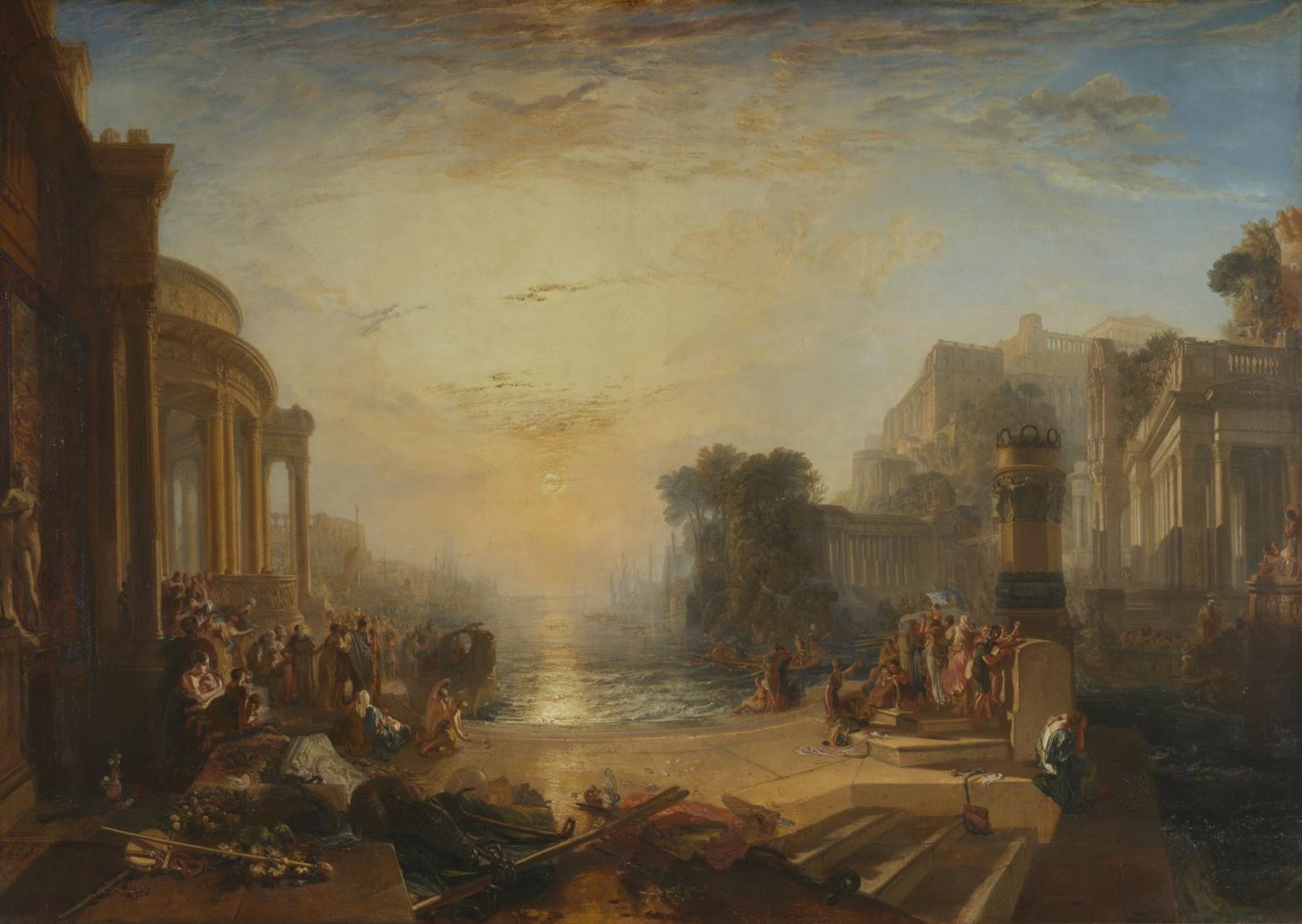
Alastair Smart speaks with Amy Concannon, curator of Turner & Constable: Rivals & Originals at Tate Britain in London, about the exhibition and its themes.
A version of this article first appeared in the winter 2025 issue of Art Quarterly, the membership magazine of Art Fund.
What to expect
Straddling the 250th anniversaries of the births of both JMW Turner (1775-1851) and John Constable (1776-1837), this new exhibition of 175 works traces the progress of their careers in parallel, exploring the similarities and differences between them, and the ways in which they transformed landscape painting. Not just great painters, Turner and Constable were also great rivals, and the personal relationship between the pair forms a backdrop to the exhibition. Get 50% off exhibition tickets with a National Art Pass.
Aside from the major anniversary, what prompted you to put on this exhibition now?
Turner and Constable are two of the biggest names in the history of British art, and I think it’s fascinating that they were around at exactly the same time and place. The exhibition offers a chance to tell their stories side by side: Turner (a barber’s son) from the heart of London, Constable the son of a wealthy merchant from Suffolk. Turner found success at a young age, whereas Constable had to wait till much later in life. Despite such differences, both men set about elevating the (hitherto lowly) genre of landscape painting and investing it with the meaning and importance traditionally associated with history painting. There’s so much going on in their works that every subsequent generation has found something to love in them. These depictions of the British landscape are ones that we have all grown up with.
Can you give a few examples of the duo’s rivalry in action?
The most famous instance – as dramatised by Mike Leigh in his 2014 film Mr Turner – came in 1832, when Turner added a striking red daub (to a seascape of his) just before the Royal Academy summer exhibition opened. Constable compared the act to the firing of a gun. This was actually preceded by a lesser-known incident the previous summer, when Constable – who was then on the hanging committee at the RA – inserted his own painting Salisbury Cathedral from the Meadows between two prominently placed Turners and thus assumed the best spot in the show. This was not good etiquette, but did result in members of the press directly comparing the two artists’ work for pretty much the first time. The critic in The Literary Gazette said that it was like a clash between fire (Turner) and water (Constable).
Do we know what the two men thought about each other?
We know Constable’s thoughts about Turner (which he recorded in letters to other people), but not vice versa. The pair attended a dinner together in 1813, for example, and Constable wrote afterwards that Turner was ‘uncouth’ yet had a ‘wonderful range of mind’. Fast forward to 1825, and Constable described his counterpart as ‘he who would be Lord of all’. Unlike Turner, Constable hadn’t been elected a Royal Academician by that point, and the comment shows a certain jealousy at Turner’s success. It wasn’t all paintbrushes at dawn, though. When Constable was finally accepted into the Academy, Turner went over to his house to congratulate him – and apparently didn’t leave till the early hours.
What are some of the standout exhibits?
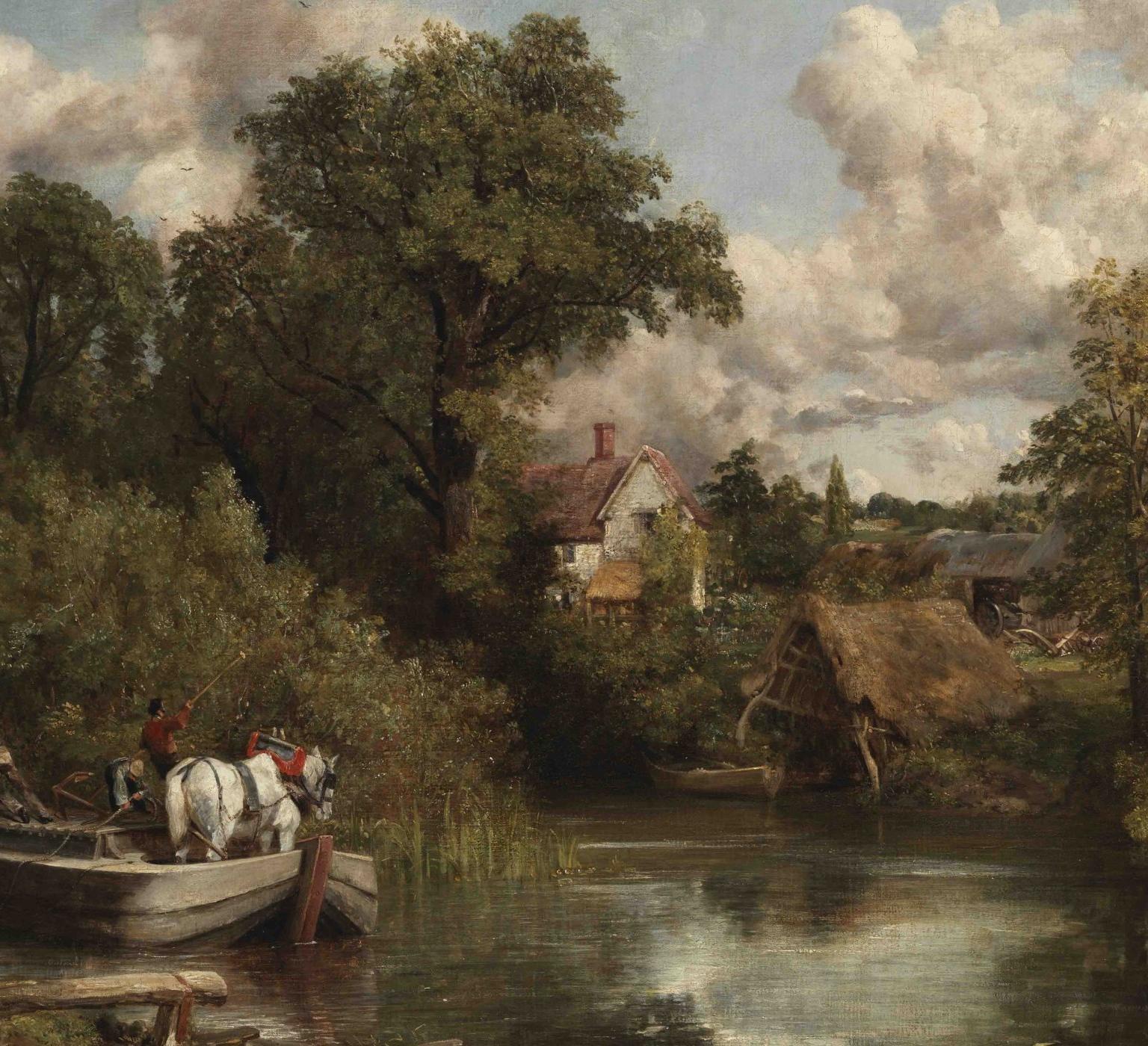
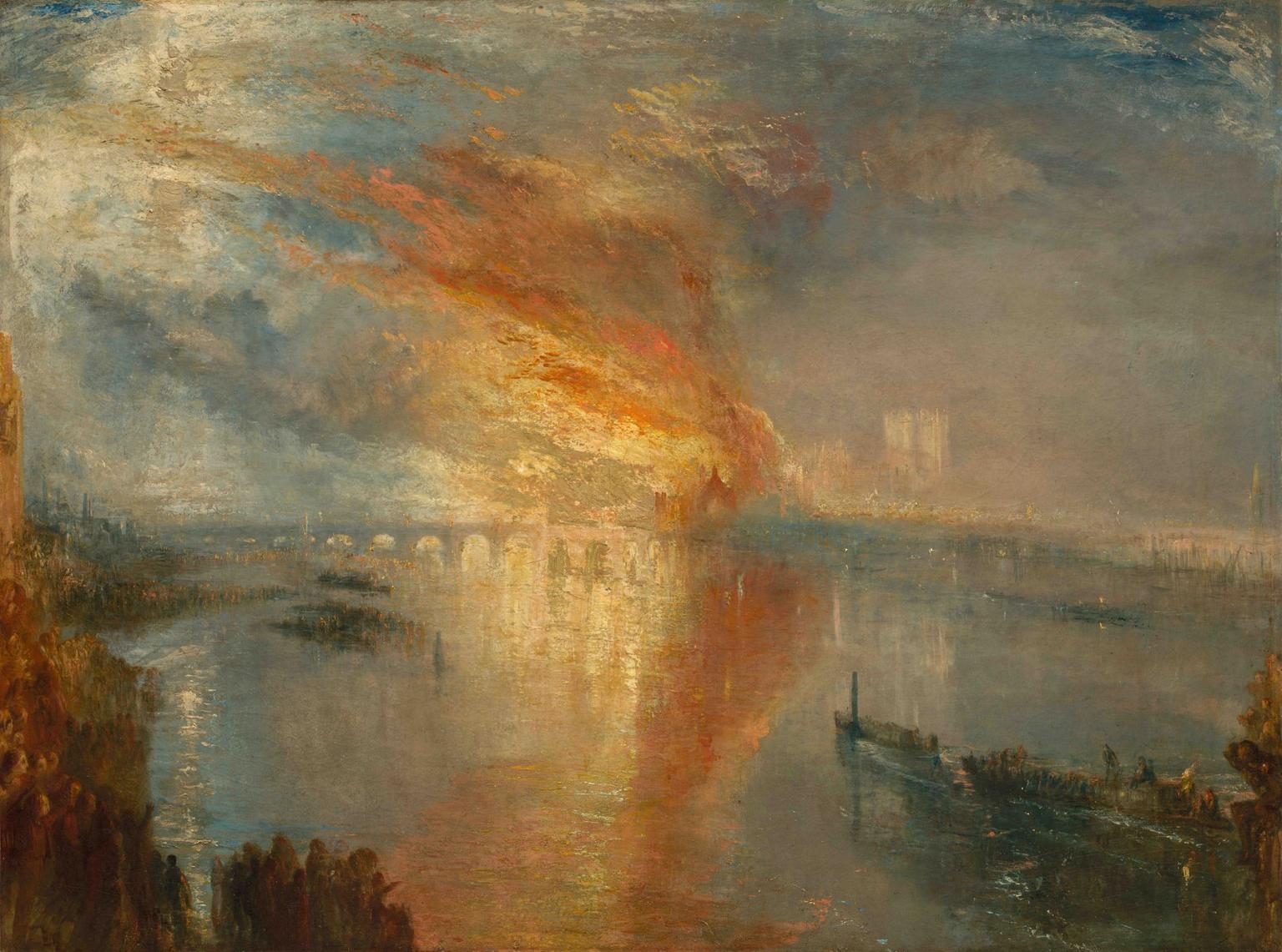
We’ve tried hard to source works that viewers may not have seen before, bringing over pictures from abroad which are rarely loaned. Constable’s The White Horse, for example, from the Frick Collection in New York; and Stoke-by-Nayland, from the Art Institute of Chicago, an almost six-foot-wide oil sketch for a painting that death prevented Constable from ever realising. We’re also including one of Turner’s two paintings of the Houses of Parliament fire – The Burning of the Houses of Lords and Commons, 16 October 1834. This is being lent by the Cleveland Museum of Art and has not been seen in Britain since the late-19th century.
Is it true that London taxi drivers are being offered free entry to the show?
Yes, it is. The city’s cabbies regularly trace routes that the two artists would have taken. We assume that they will also be dropping off and picking up a lot of exhibition visitors, so this seems a nice way of inviting them to enjoy the works for themselves, when they have the time.
See Turner & Constable: Rivals & Originals at Tate Britain in London for 50% off with a National Art Pass. Exhibition runs until 12 April 2026.