Five libraries to visit this autumn
On the 175th anniversary of the Public Libraries Act, discover collections of books, art and so much more at these five institutions across the UK.
A version of this article first appeared in the autumn 2025 issue of Art Quarterly, the membership magazine of Art Fund.
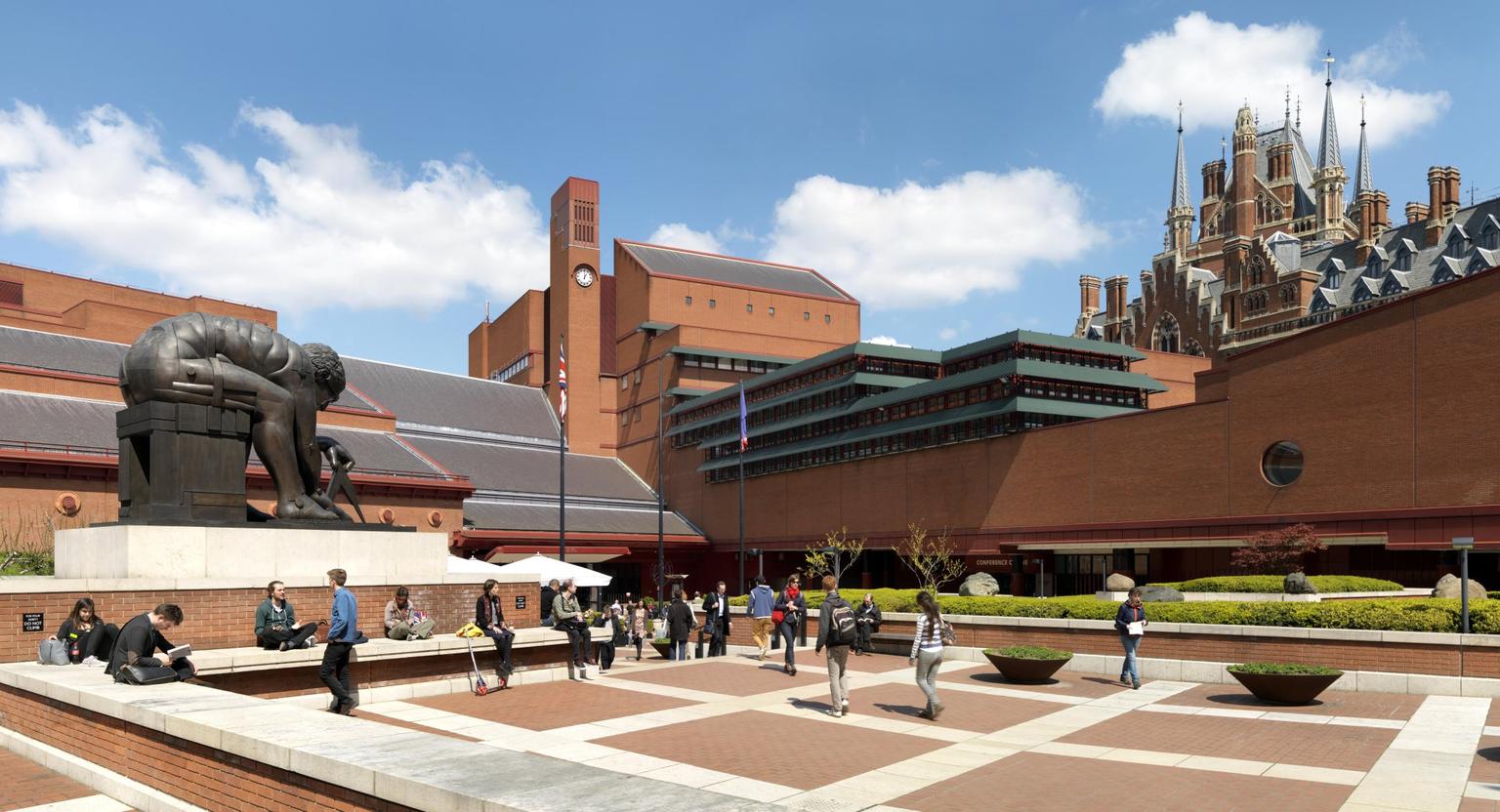
The British Library – one of the largest libraries in the world – holds more than 170 million items and, as a legal deposit library, receives copies of all books produced in the UK and Ireland, making it a living collection that gets bigger every day.
While it may not be a museum, its history is entwined with that of the British Museum, which was formed in 1753 to house the collection of books and manuscripts donated by physician Hans Sloane. This collection was joined by the Harleian and Cotton libraries and, later, by the Old Royal Library and the King’s Library of George III.
Today, the collection spans books, newspapers, maps, sound recordings, patents and stamps, with manuscripts dating as far back as 2000BCE, including Magna Carta, the Lindisfarne Gospels, the manuscript of Beowulf, Captain Cook’s journals and the second-largest atlas in the world.
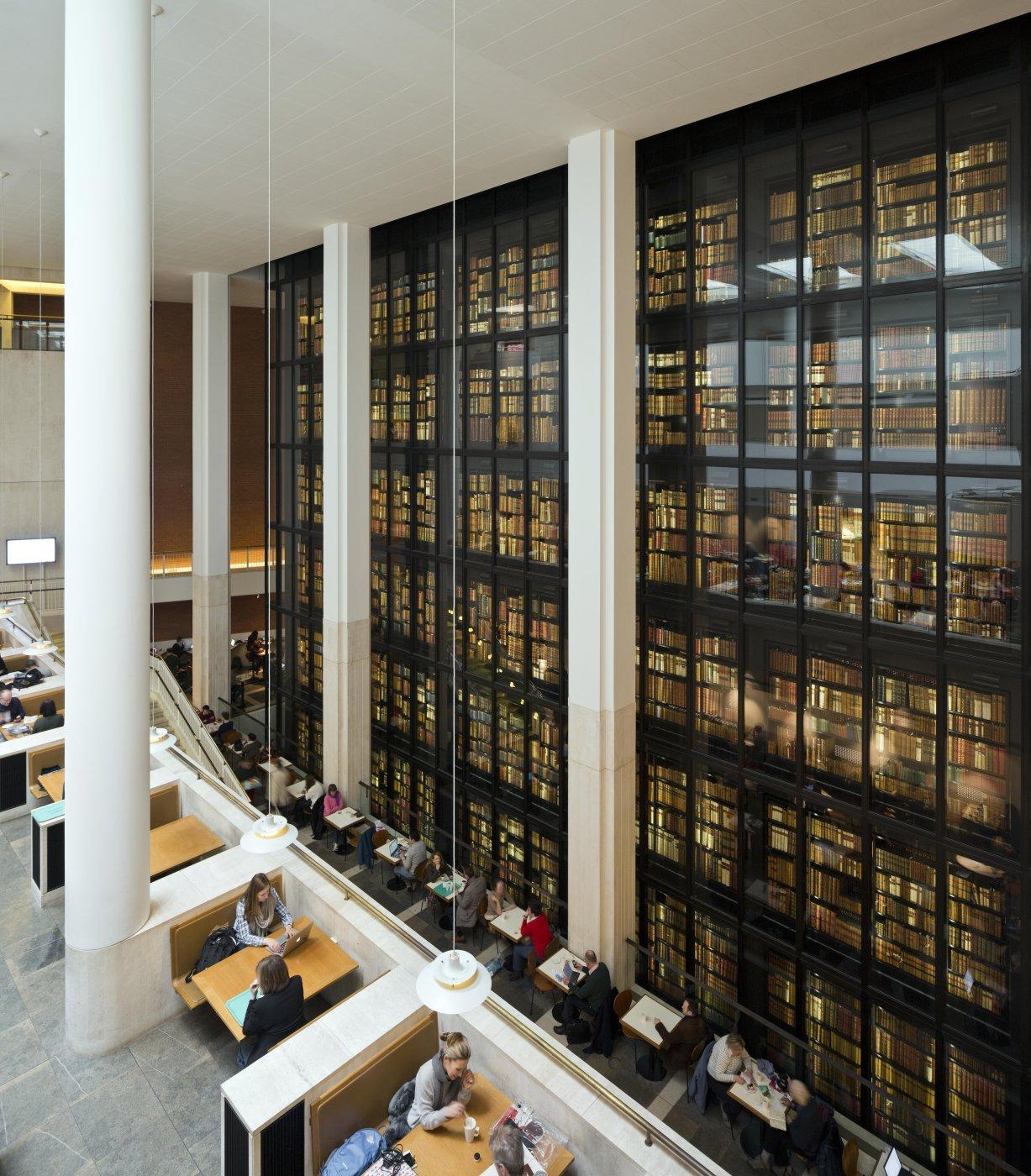
The library’s purpose-built building – the largest public edifice constructed in the UK in the 20th century – stands next to St Pancras station in London. It was designed by Colin St John Wilson in collaboration with his wife, MJ Long, and was opened by Queen Elizabeth II in June 1998. It is Grade I-listed and ‘of exceptional interest’.
There are several pieces of public art in the piazza, including Eduardo Paolozzi’s large bronze Newton (After Blake) (1995), Antony Gormley’s cast-iron, seat-shaped sculpture Witness (2011) and typographic gates designed by Lida Lopes Cardozo Kindersley and her husband, David.
A permanent exhibition in the Sir John Ritblat Gallery is supplemented by tours, including a behind-the-scenes visit to the conservation studios. There is also a programme of thematic exhibitions, such as the forthcoming ‘Secret Maps’ (24 October to 18 January 2026), which will explore the relationship between mapping and concealed information in a global context between the 14th and 21st centuries, including a map of part of the Normandy coast produced in 1944 in the weeks leading up to the D-Day landings.
Four more libraries to explore with a National Art Pass
Armagh Robinson Library
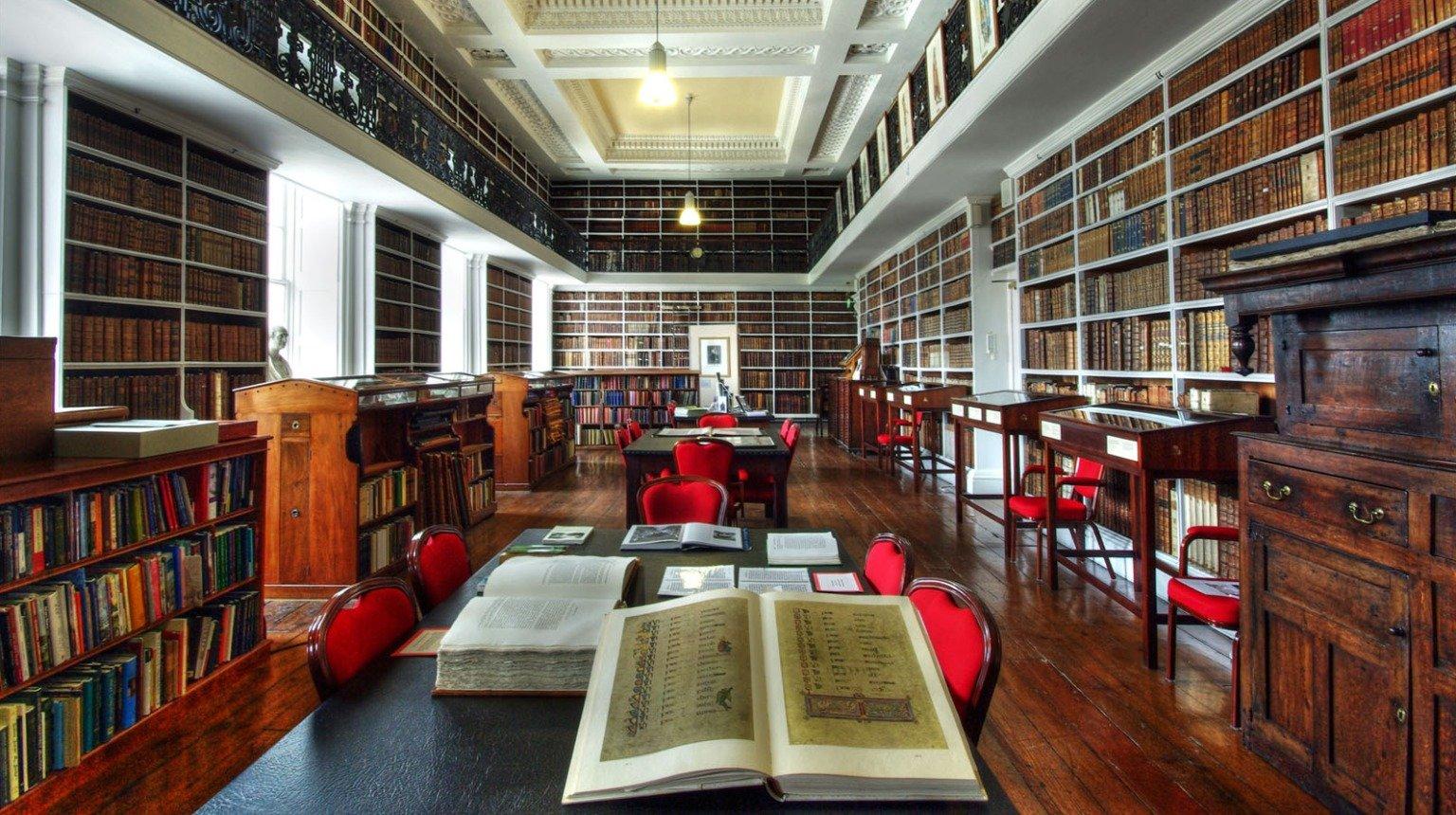
Coins, medals, manuscripts, maps, pamphlets, journals, gems, exhibitions and, of course, books – including Jonathan Swift’s personal annotated copy of Gulliver’s Travels – feature in this library, founded by Archbishop Richard Robinson in 1771.
Glasgow Women's Library
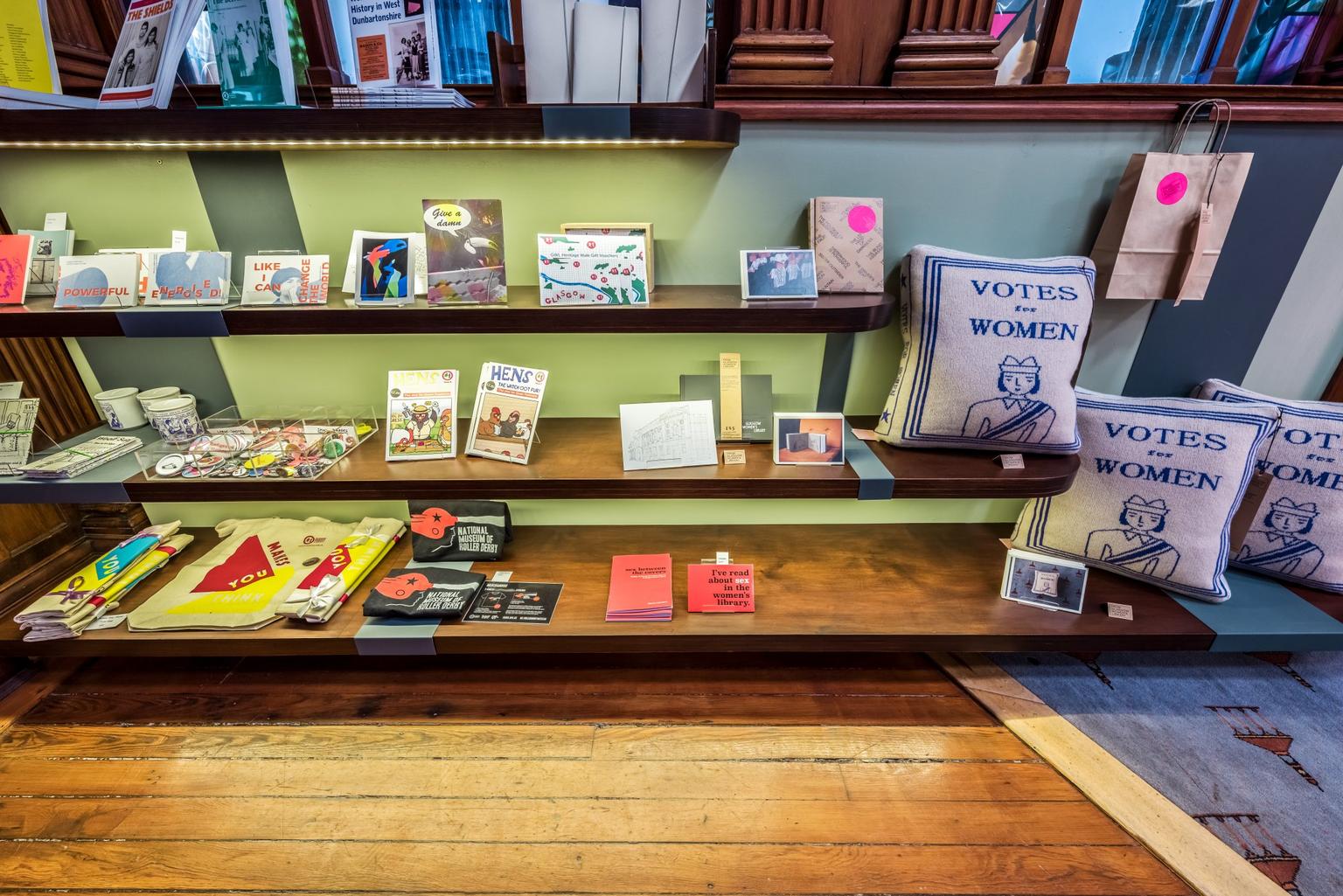
No ordinary library – Glasgow Women's Library is the only accredited museum in the UK dedicated to women's lives, history and achievements. They host an innovative programme of events, run an active lending library and take care of important archives and a museum collection that's a treasure trove of artefacts, from historical books to suffragette memorabilia. They also run a range of services and programmes to help thousands of women across Scotland improve their lives, supporting people on issues such as poverty, health and sexuality.
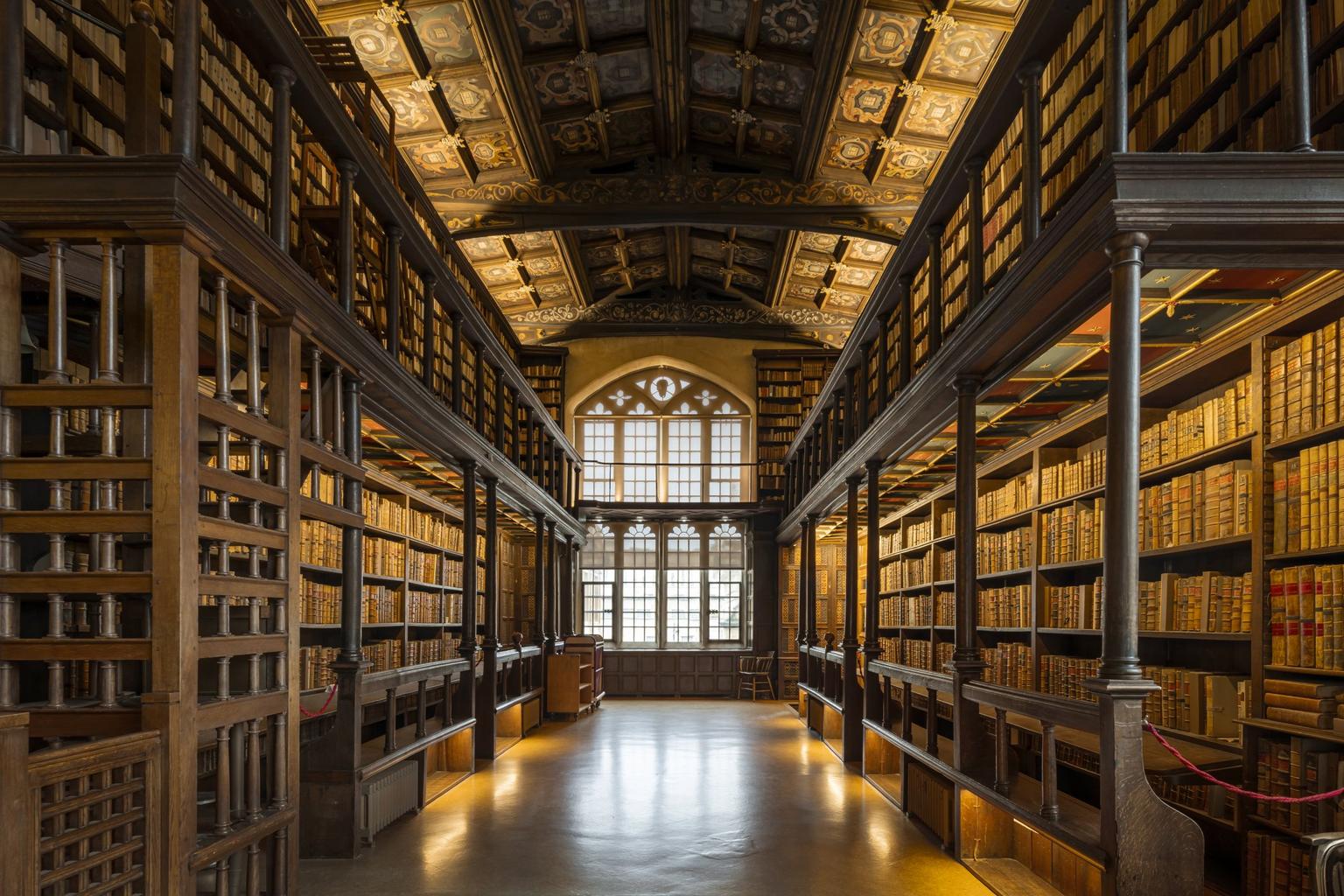
Bodleian Library
Combining 26 different libraries across Oxford, the Bodleian is the largest university library system in the UK. It is also a major visitor attraction, with thousands of people each year drawn to see treasures such as Tolkein's illustrations for The Hobbit and the Divinity Room, which doubled as the infirmary in the Harry Potter films. The Bodleian holds more than 13 million printed items, including manuscripts, archives, rare books, printed ephemera, maps, music and digitised collections, and hosts a programme of temporary exhibitions.
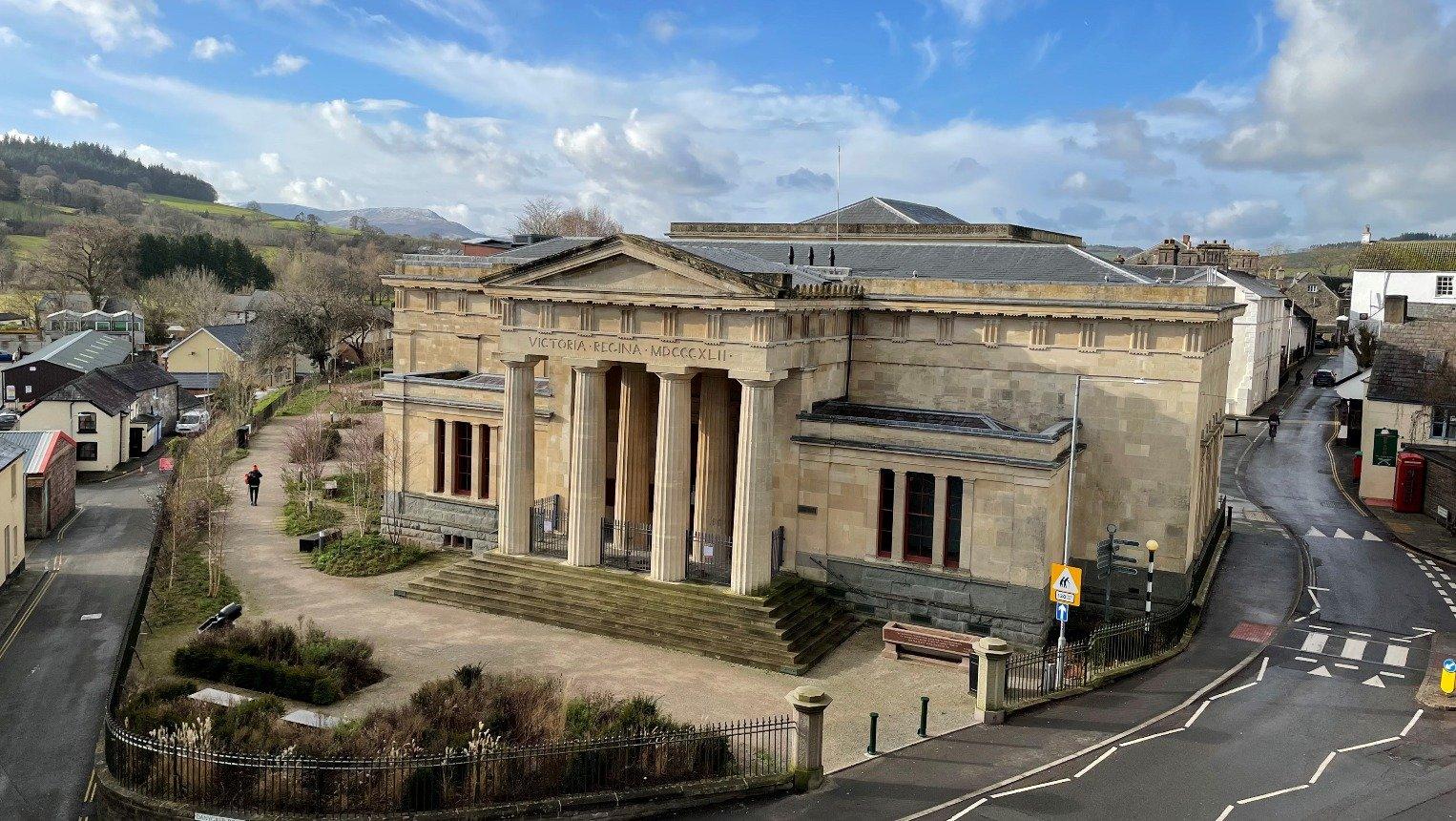
y Gaer Museum, Art Gallery & Library
Combining the refurbished Brecknock Museum & Art Gallery (including its Victorian court room) with the new Brecon Library, this venue provides plenty of spaces to read, research and learn about Powys arts and culture.
A writer, editor, curator and researcher.