How a curator is telling the story of a West Midlands photography journal
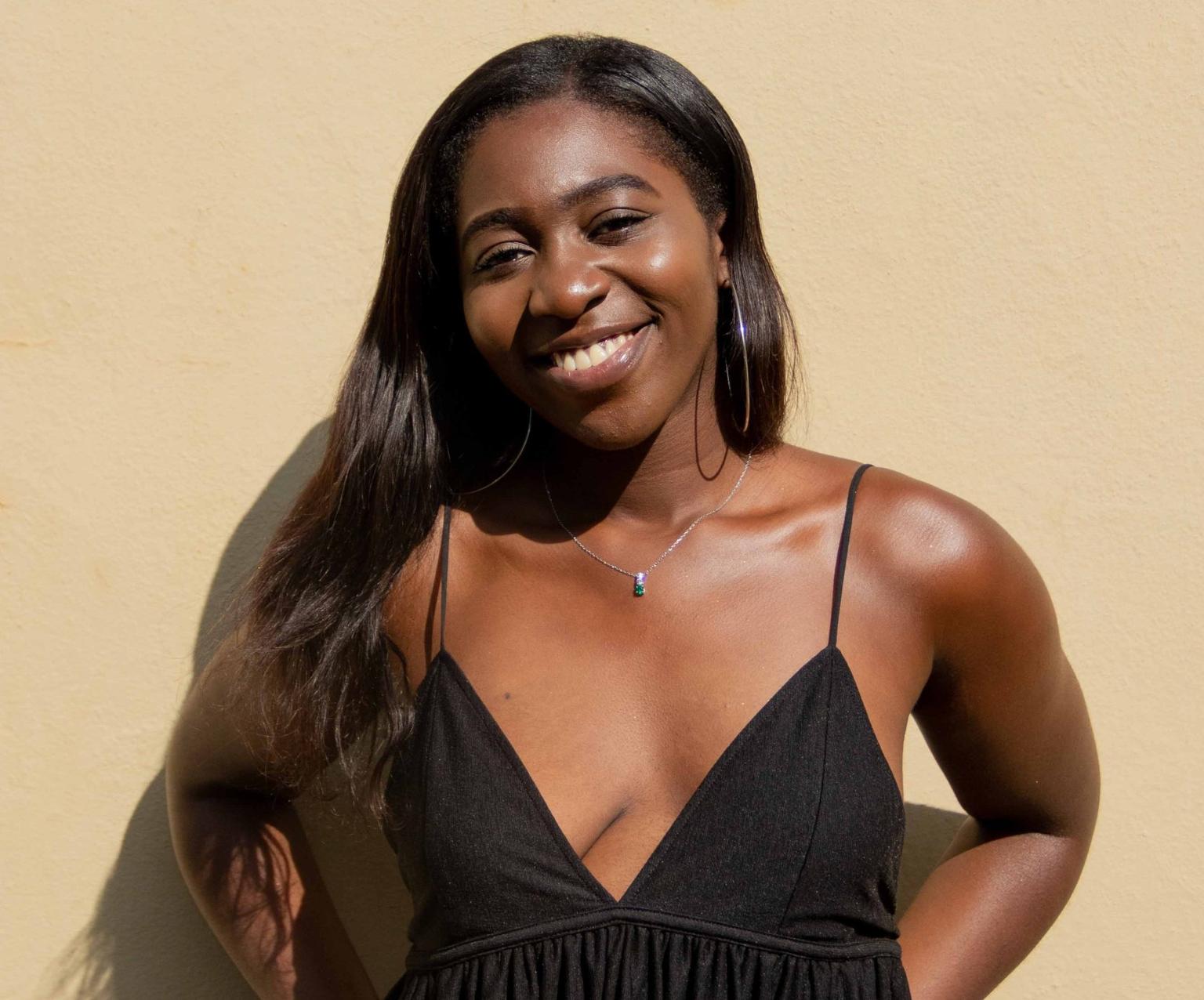
With Art Fund support, curator Pelumi Odubanjo is assessing the legacy of Ten.8, ahead of an exhibition at the New Art Gallery Walsall this spring.
A version of this article first appeared in the spring 2026 issue of Art Quarterly, the membership magazine of Art Fund.
Between 1979 and 1992, West Midlands-based Ten.8 was a journal that, in the words of cultural theorist Stuart Hall (1932-2014), ‘explored the relationship between photography, power and politics’. More than three decades after its 37th and final edition, curator, writer and researcher Pelumi Odubanjo is assessing the magazine’s legacy, with a major exhibition of archive and newly commissioned work opening at the New Art Gallery Walsall.
A PhD candidate in History of Art at the University of Glasgow, Odubanjo is currently the ICF’s (International Curators Forum) Ten.8 Research and Curatorial Fellow. Supported by a Jonathan Ruffer curatorial grant from Art Fund – which supports UK curators, museum professionals and researchers to undertake travel and other activities that extend and develop their curatorial expertise, collections-based knowledge and art-historical interests, often in preparation for an exhibition – she has undertaken a range of research trips to London and the Midlands that have included meeting with Ten.8 editors Derek Bishton and Darryl Georgiou and artistic director David A Bailey, viewing the work of artist Joy Gregory and visiting the studio of photographer and artist Heather Agyepong.
Odubanjo explains that being able to travel to face-to-face meetings has played a vital role in shaping her curatorial decisions. ‘That’s the beauty of getting this funding; you feel like you’re a lot more able to take your time with research, everything doesn’t feel so rushed,’ she says. ‘You’re so cognisant of time when you’re on a video call, whereas in person you can relinquish that for a bit. It’s so much more intimate.’
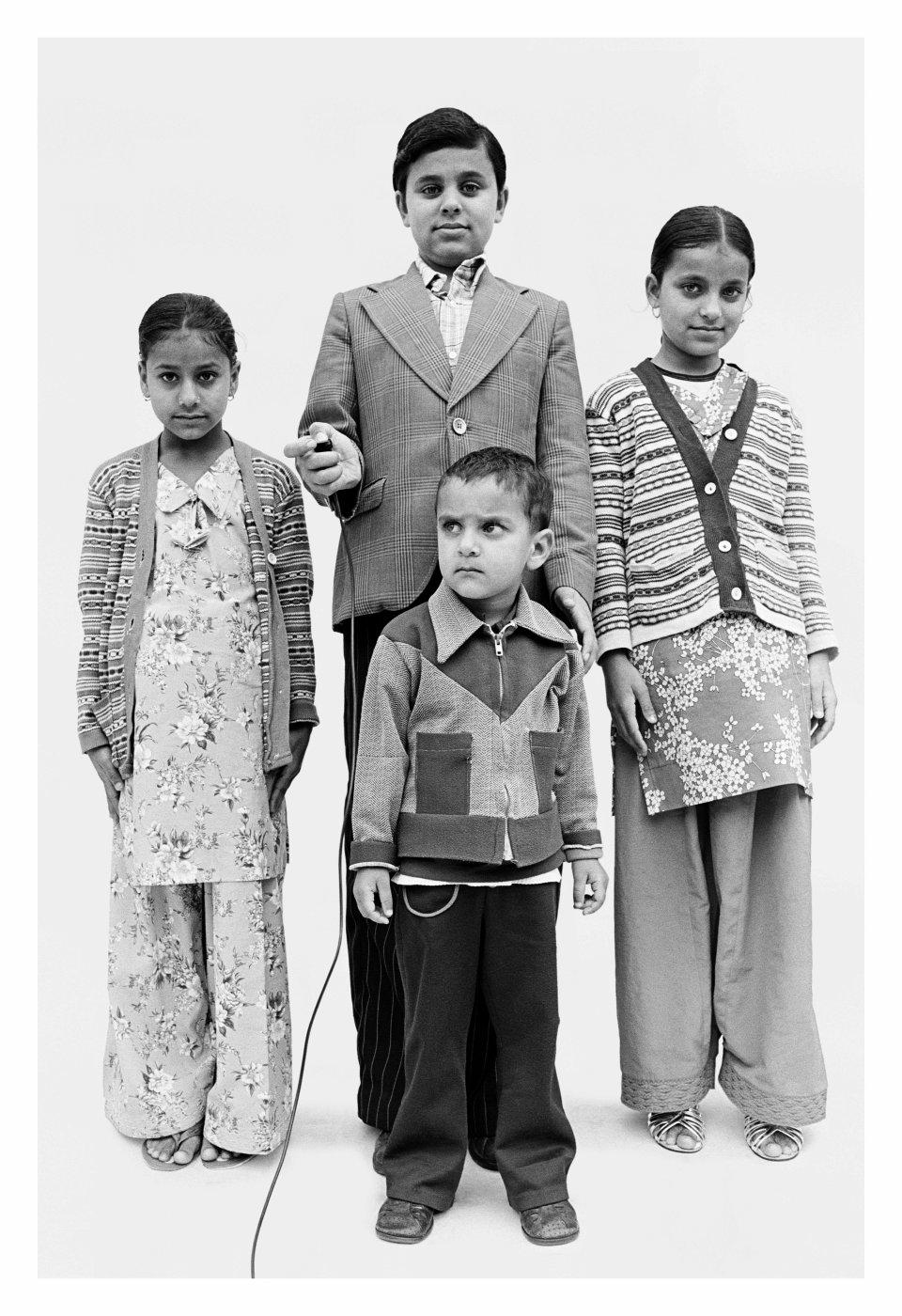
The idea for Ten.8 was formulated in 1978 at a community design and photography agency in Handsworth co-founded by Bishton. Originally conceived as a forum for the work of documentary photographers in the West Midlands, the magazine’s scope widened over each of its quarterly editions as it started to develop an international readership. Reflecting the energy and diversity of its Birmingham base, Ten.8 was interested in showcasing a new language of photography that challenged mainstream representation. Feminism, identity politics and the work of Black photographers were to the fore.
For Odubanjo, exploring the legacy of Ten.8’s radical approach has involved two key challenges: how to represent photography from the period – including images that featured in the magazine and other relevant work – and creating a dialogue between this work and contemporary photographic practices. Art Fund’s support has contributed to research costs such as travel and accommodation for studio visits. ‘As a curator, these are so important,’ Odubanjo says. ‘It’s the artist’s safe space; where they are able to create without bounds or restrictions. Hopefully, that means they can also speak without restrictions, really feel comfortable and open about their ideas.’
Odubanjo adds that there have been very tangible, practical advantages of seeing works in person, in terms of assessing scale and how best to show them in the gallery. ‘Not all the artworks are in perfect condition because some haven’t been shown in decades,’ she adds. ‘So, to be able to see them up close, and have discussions with artists about the display and legacy of their work – that has been really incredible to do.’
A trip to Coventry to view the work of British Asian photographer Maghanbhai Patel – better known as Masterji – was particularly memorable and useful. From the 1950s to 2000, Masterji captured the lives of the South Asian community in the city, setting up his own studio in 1969. He passed away in 2018, and his archive is now looked after by his daughter, Tarla Patel. ‘We were able to sit together and drink chai, to eat and to talk,’ says Odubanjo. ‘I was able to see the physical prints and actually be in the studio where these photographs were taken.’
Odubanjo talks excitedly about her visits, which have also included meeting photographer Maxine Walker in Birmingham to discuss her pioneering 1980s work, and conversations with Heather Agyepong for her new commission responding to Ten.8’s final edition, which focused on Black British photography from the 1980s.
Being able to visit Joy Gregory’s recent Whitechapel Gallery survey show, ‘Catching Flies With Honey’, was another important moment. While in London, a separate meeting with Gregory took an unexpected turn when the photographer Ajamu X – also a Ten.8 contributor and, she discovered, a friend of Gregory – turned up early for his appointment with Odubanjo, resulting in ‘a really collective’ and ‘beautiful’ three-way conversation. Such things, Odubanjo stresses, don’t happen when you’re on Zoom.
Ten.8 afterimage, the New Art Gallery Walsall, 1 May to 13 September. Free to all. Get 10% off in the shop with a National Art Pass.