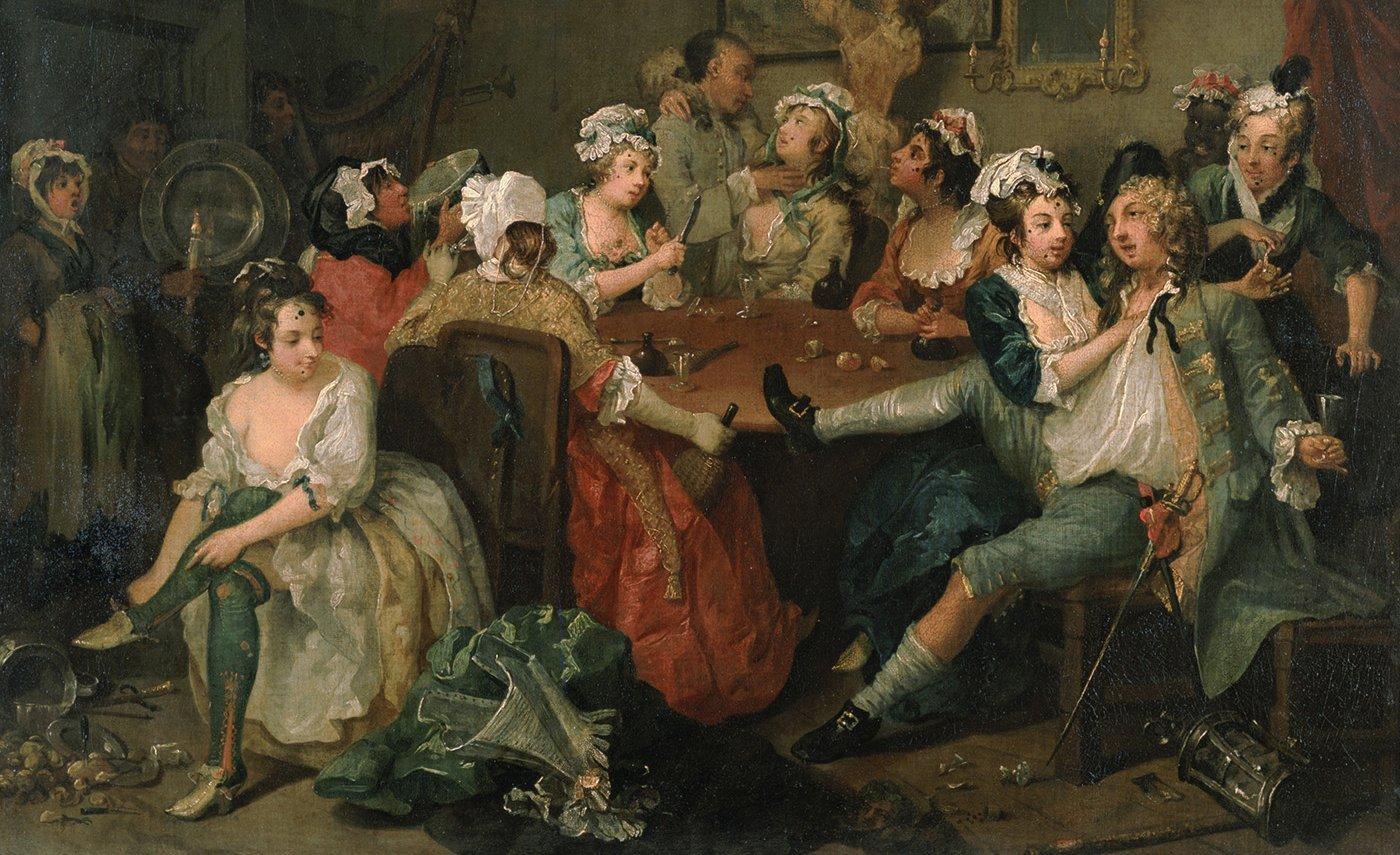
In this online talk explore the artistic traditions that shaped the satire of one of Britain's most original artists.
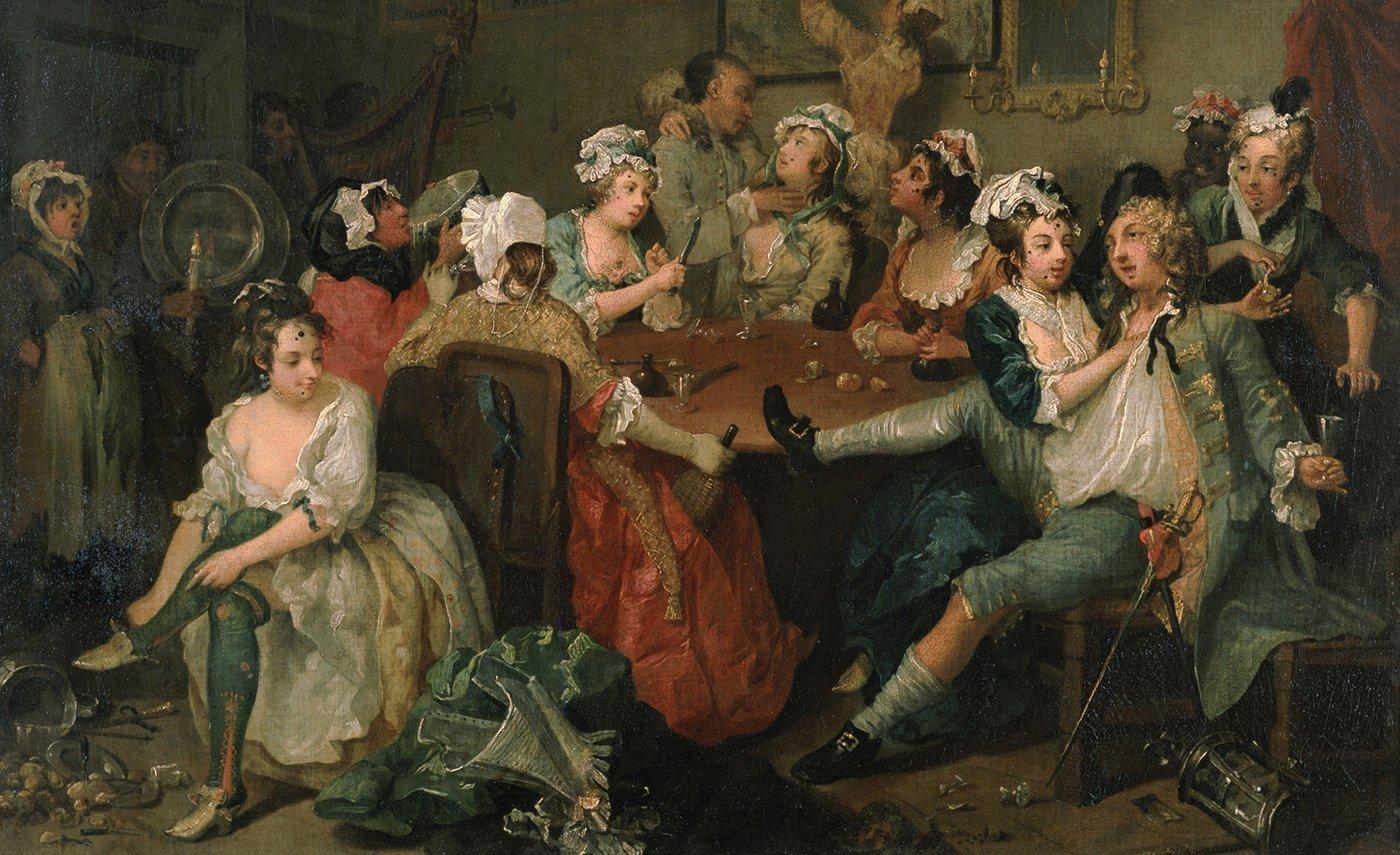
Celebrated for his vivid storytelling, comic detail, and biting social commentary, William Hogarth sought to create a distinctly ‘modern moral subject’ for British art. Yet behind his bustling London streets, unruly taverns, and scandalous narratives lay a rich inheritance from continental Europe.
This in-depth but accessible talk will trace the roots of Hogarth’s narrative style to the artistic traditions of the Low Countries and Italy, exploring how he absorbed and transformed earlier visual models into something uniquely British. From the crowded, moralizing peasant scenes of Pieter Bruegel the Elder to the lively theatricality and observational realism of Giuseppe Maria Crespi, Hogarth drew upon European precedents that blended humour with moral instruction. Like these artists, he filled his compositions with expressive gestures, symbolic objects, and comic episodes that reward close looking while exposing the follies and excesses of society.
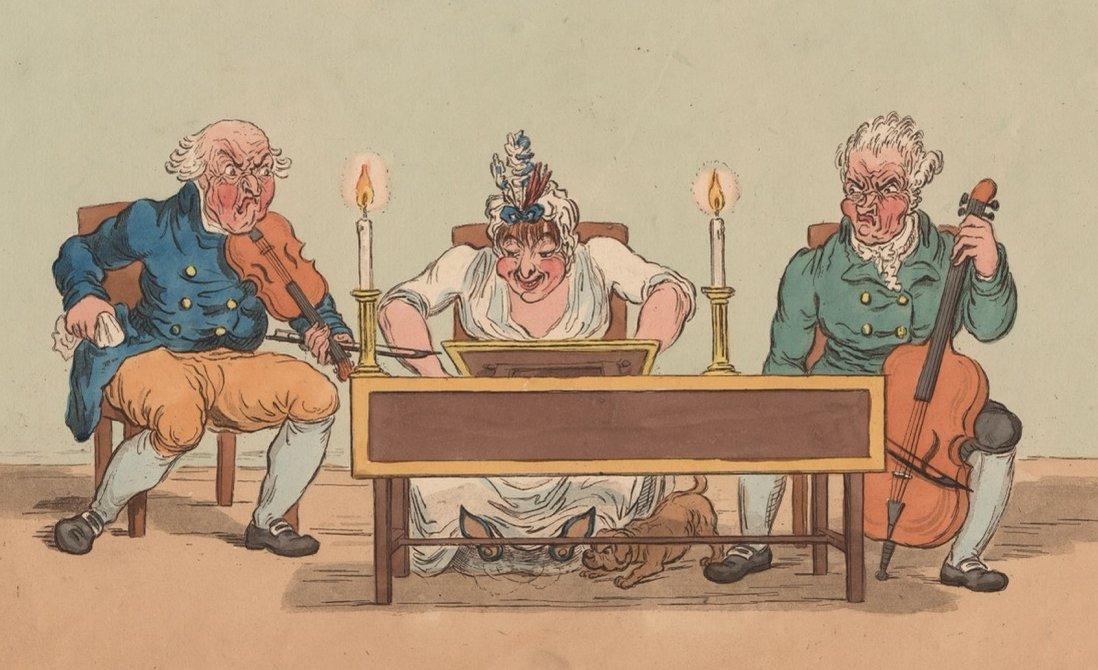
By placing Hogarth within a broader European tradition of comic and moralizing art, this talk will offer a fresh perspective on how humour became one of the most sophisticated vehicles for social observation in early modern painting and print culture.
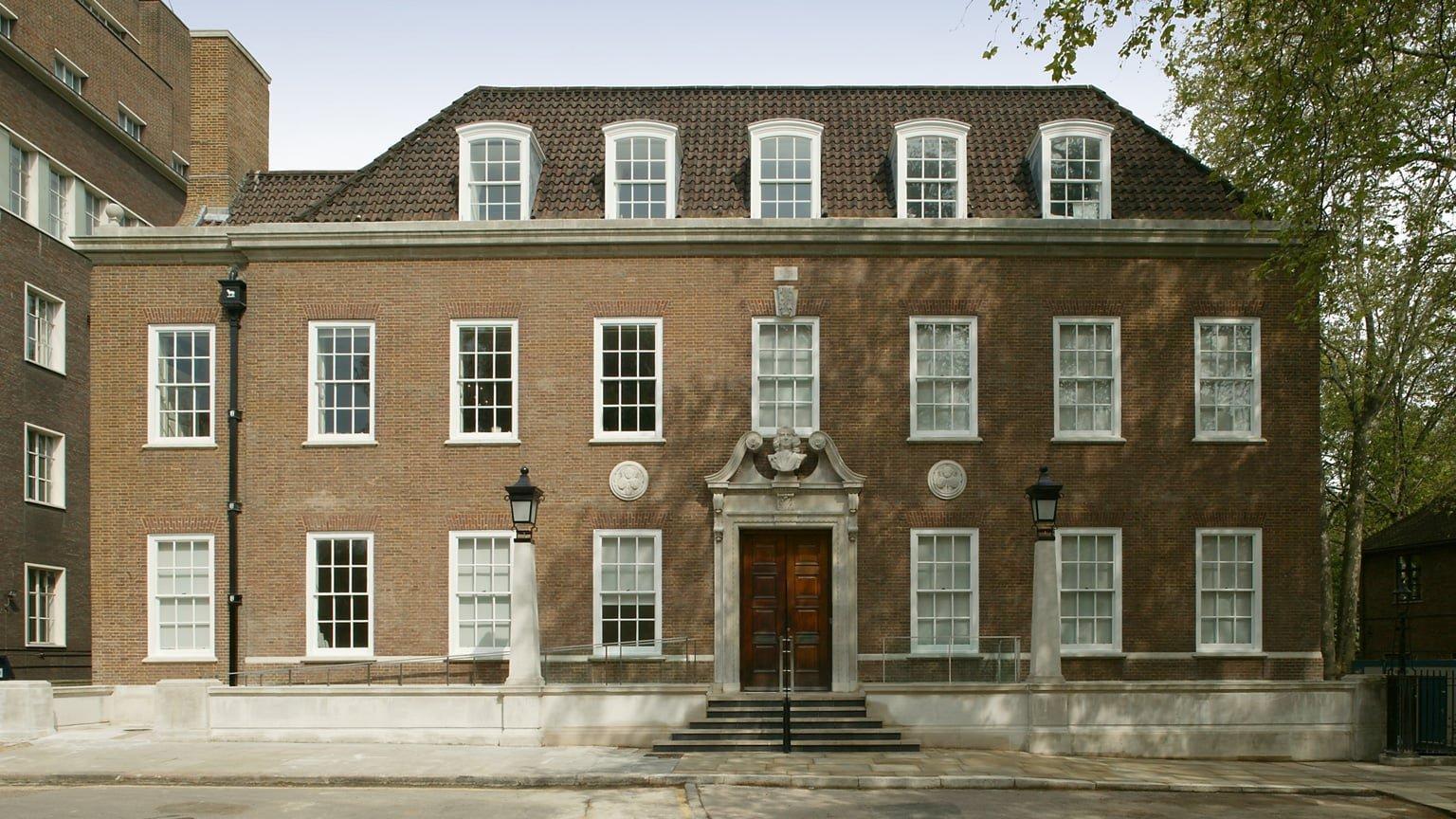
Get a National Art Pass and explore Foundling Museum
You'll see more art and your membership will help museums across the UK
National Art Pass offers available at Foundling Museum
Visitor information
Address
40 Brunswick Square, London, Greater London, WC1N 1AZ
020 7841 3600
Opening times
Tues-Sat 10am-5pm
Sun 11am-5pm
Closed Monday