Join Associate Professor Emily Rohrbach as she explores John Keats’s creative encounter with his predecessor Shakespeare.
Join Associate Professor Emily Rohrbach as she explores John Keats’s creative encounter with his predecessor Shakespeare.
To explore this topic Professor Rohrbach, of Durham University, focuses on the young poet’s engagement specifically with his 1808 facsimile copy of the 1623 Shakespeare folio. In that book, Keats inscribed an original poem in the space left by the printer between the end of 'Hamlet' and the beginning of 'King Lear', explaining that it demanded a prologue.
She’ll situate this act in the context of Keats’s immediate literary-cultural influences, such as Leigh Hunt and William Hazlitt, and in the larger historical context. Keats wrote in the early nineteenth century, a time of lively, intersecting historical changes: the rise of literacy rates, the emergence of the professional writer and hostile reviewing culture, and what one historian has called 'the industrial revolution of the book'.
This talk will explore the significance of Keats’s inscription by hand in the Shakespeare volume, as the young poet sought to imagine his place 'among the English poets'.
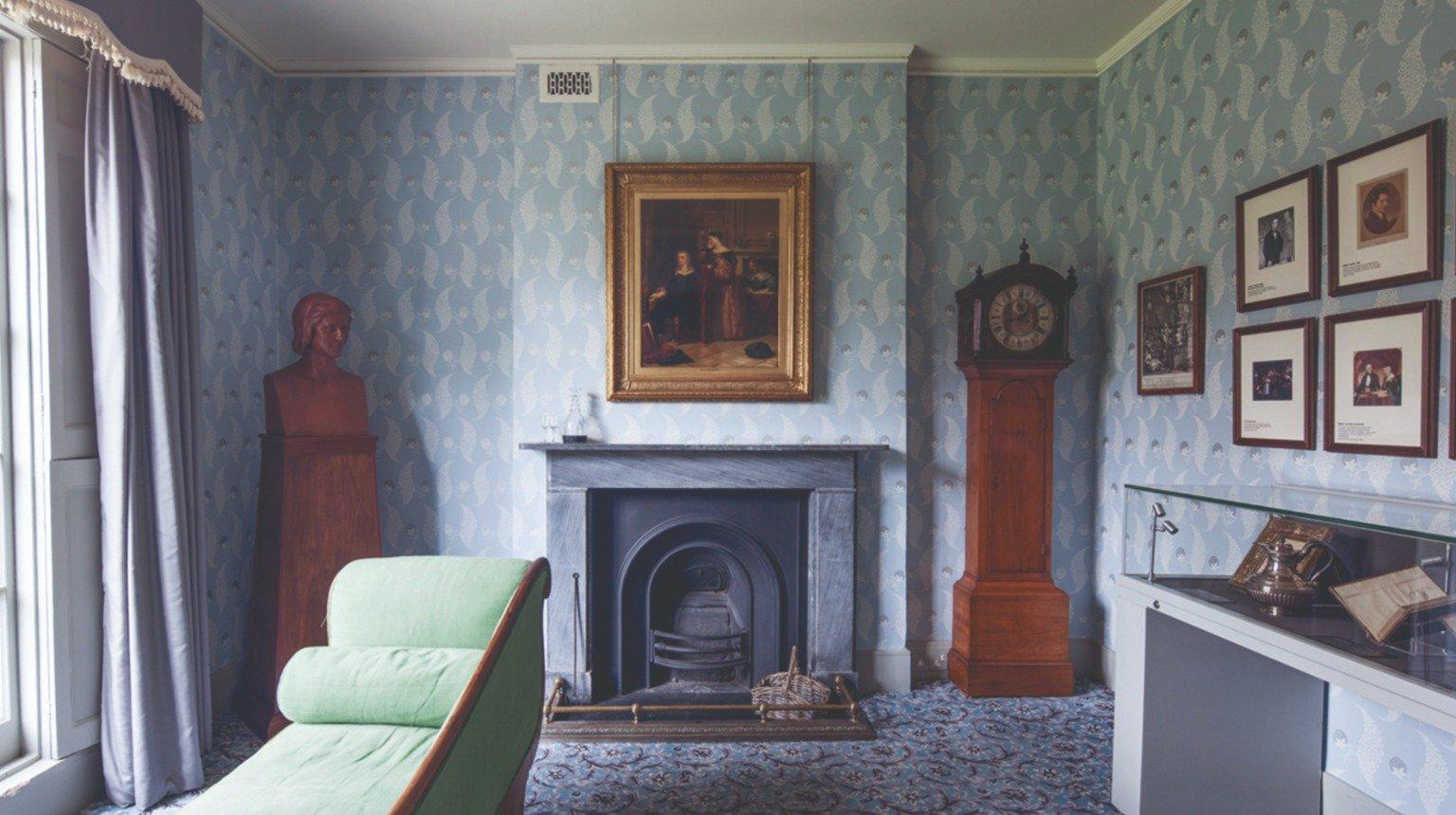
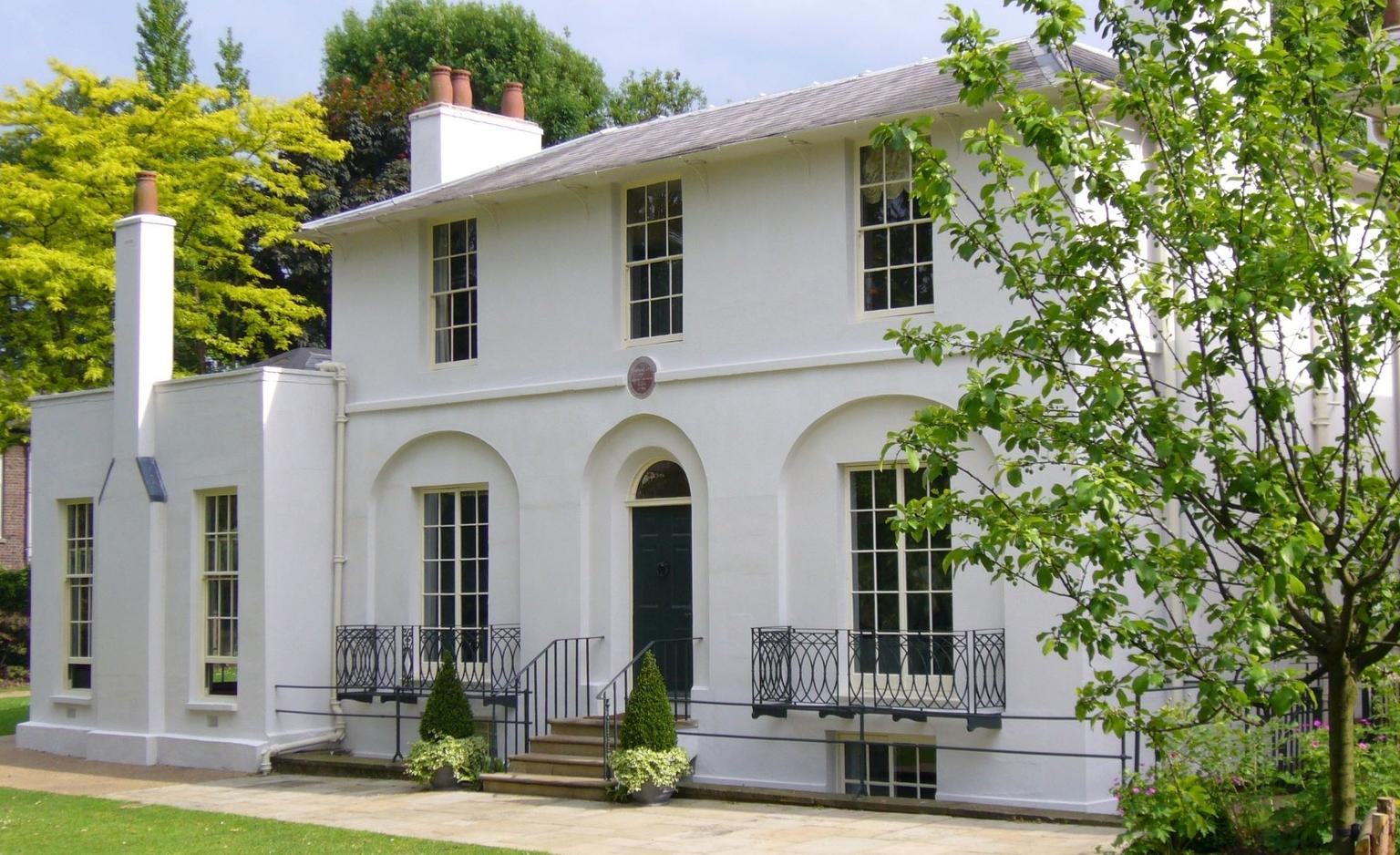
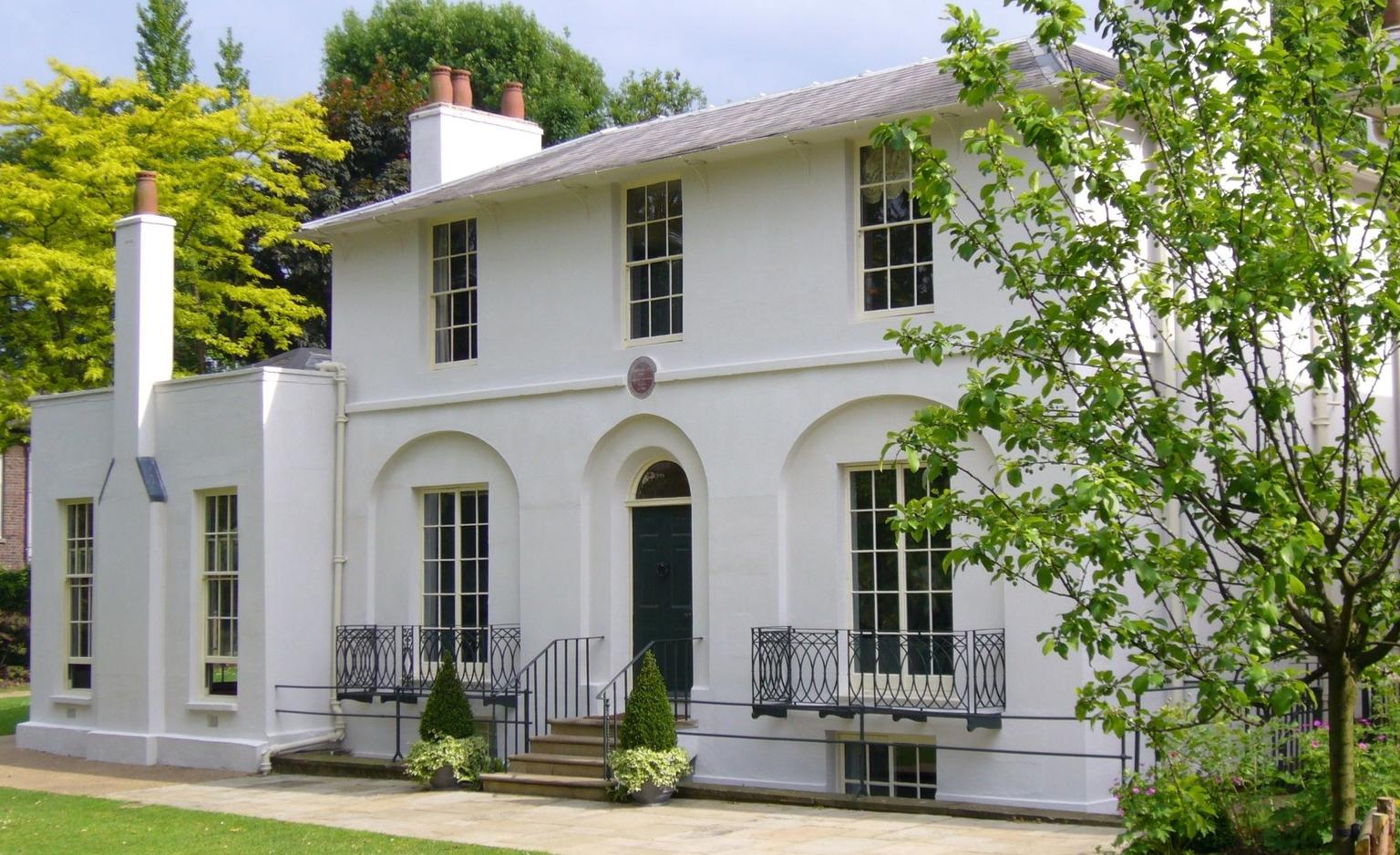
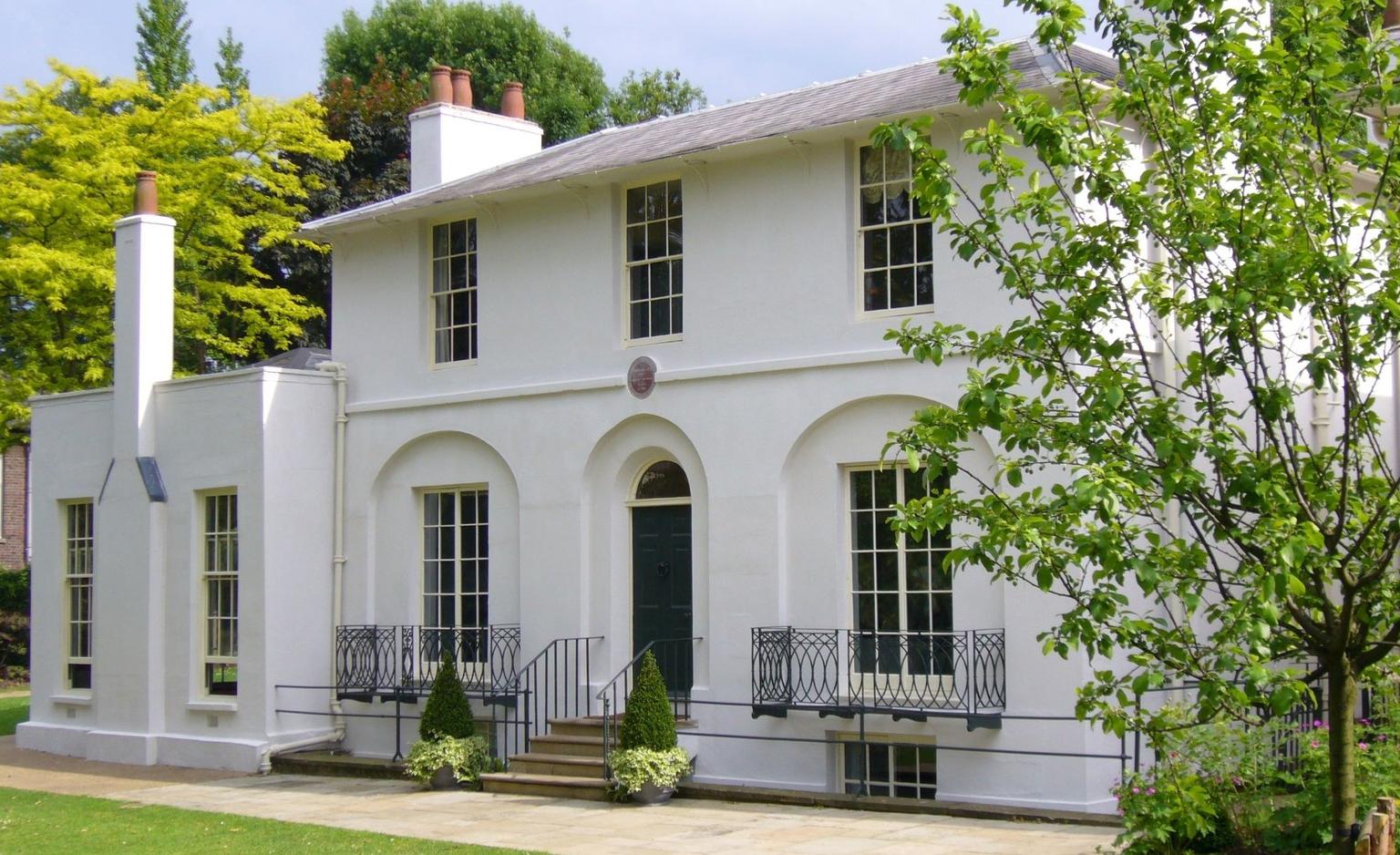
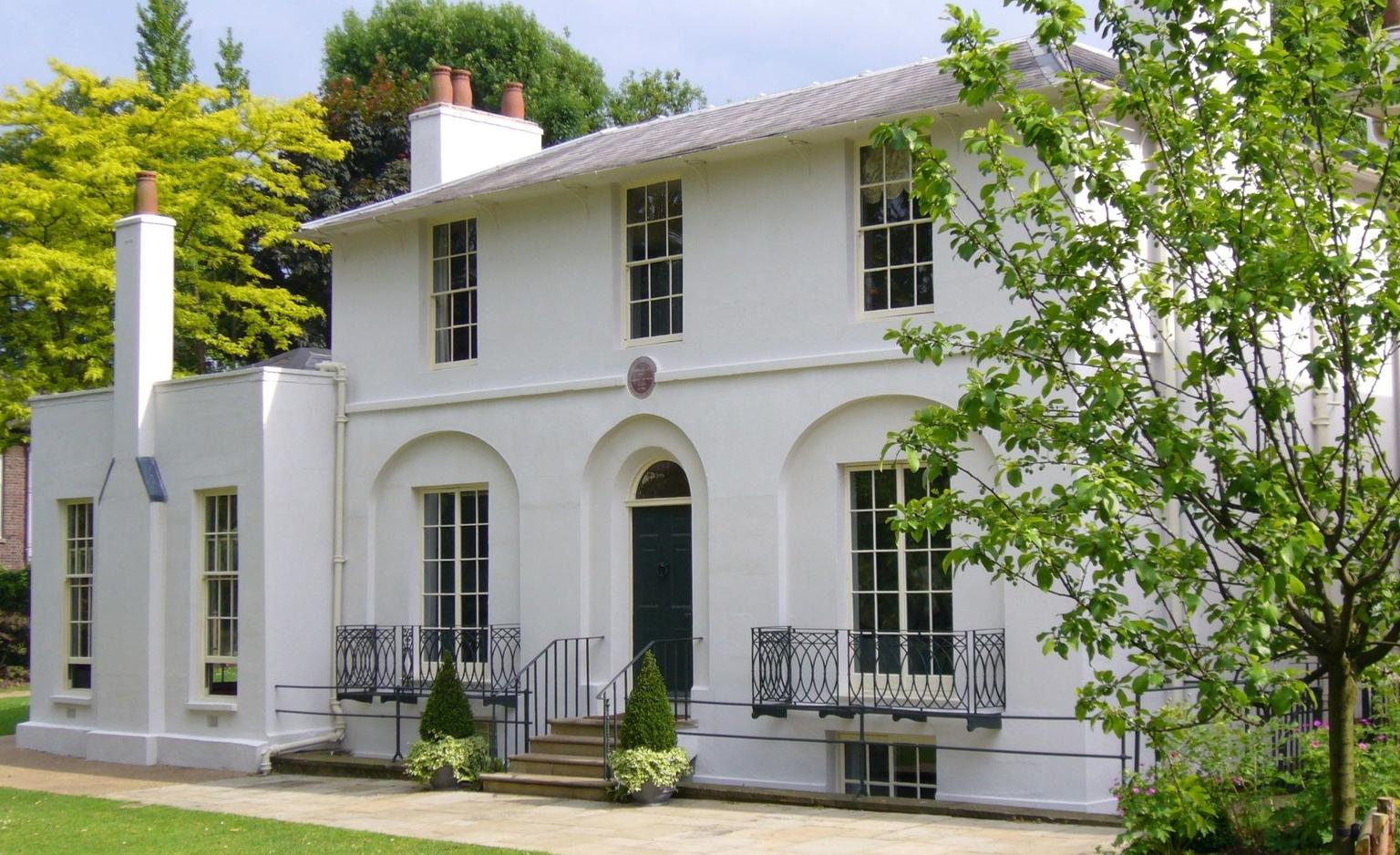
Get a National Art Pass and explore Keats House
You'll see more art and your membership will help museums across the UK
National Art Pass offers available at Keats House
Visitor information
Address
10 Keats Grove, Hampstead, London, Greater London, NW3 2RR
020 7332 3868
Opening times
Please visit our website for opening times and admission charges.