Opinion: How museums can guarantee an arts-rich education
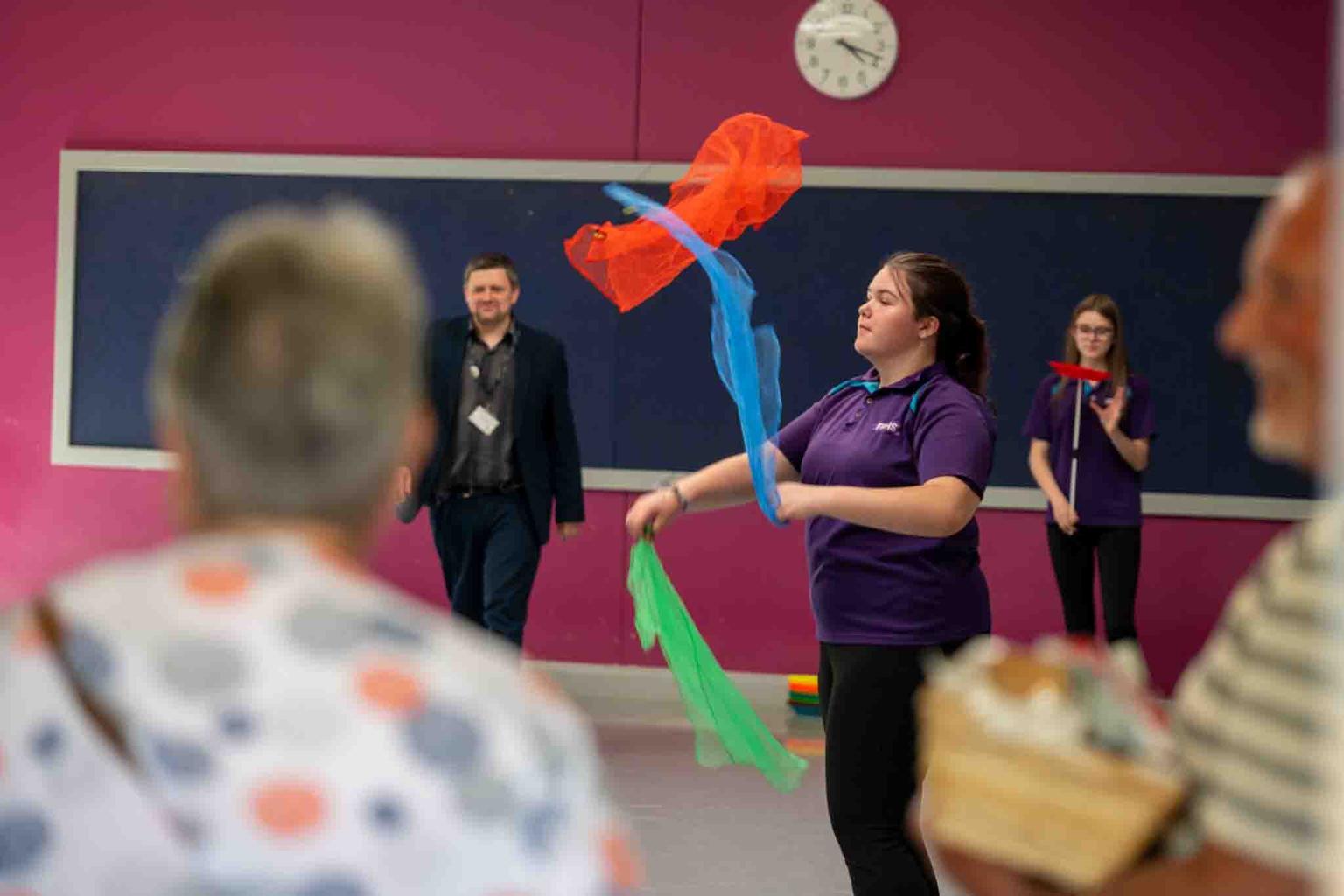
As a cultural sector we must now work together to ensure policy reforms are implemented to benefit all children, says Derri Burdon.
A version of this article first appeared in the spring 2026 issue of Art Quarterly, the membership magazine of Art Fund.
After more than a decade of campaigning, arts education is finally being backed by significant policy change, with major reforms now underway. For those of us involved in the campaign, this moment feels energising and hard won. Government has made choices we have long called for: removing the EBacc [which viewed arts and humanities subjects as less important]; reforming accountability measures; and renewing commitment to enrichment and youth provision. This is a moment worth celebrating, but the stakes remain high.
For many years cultural education has been sustained by committed people on the ground, navigating a policy landscape that offered little support and less attention. That reliance on the cultural sector to lead and persist has not changed, but what has is the direction of travel. Working with policy rather than against it will take some adjustment.
Arts education was once treated as a core part of a broad education. In the late 1970s and early 1980s, the non-statutory Common Curriculum put the ‘aesthetic and creative’ on equal footing with other ‘essential areas of experience’. I grew up in Blackpool at that time, and now work in Wigan, two places that took arts education seriously. At my primary school, creativity was woven into everyday learning, with artists and Theatre in Education companies a regular presence. We experienced culture as both audience and participants, visiting museums and heritage sites and performing in venues including the Winter Gardens and Royal Albert Hall. The extraordinary felt ordinary. I think that exemplifies entitlement in practice.
Over time, the conditions that sustained a firm place for the arts in schools fell away. Budgets tightened, professional autonomy diminished and space for cultural learning narrowed, with the greatest impact felt in communities where access to arts and culture can make the greatest difference.
When quality and depth are compromised, young people lose out, particularly those facing the greatest barriers.
This matters because this policy moment is fragile. Priorities shift, and the case for arts education still needs to be made. Even within the cultural sector, value does not always translate into action and the gap remains real.
That gap sits with leadership decisions about what is prioritised and funded, and who is at the table shaping strategy. Baroness Hodge’s recent review of Arts Council England warned of provision becoming ‘mile wide and inch deep’, where pressures around reach risk spreading work too thinly. When quality and depth are compromised, young people lose out, particularly those facing the greatest barriers.
Evidence from Curious Minds’ own programmes such as Curious Citizens shows how lasting the impact can be. Poor-quality first experiences often lead young people to disengage from an art form altogether.
So, what does this moment ask of the cultural sector? First, realism and care in implementation. Repairing damage done to arts education will take time. Teacher recruitment and retention remain under strain, facilities in state schools are outdated, and the wider workforce is still recovering from the coronavirus pandemic.
It also asks us to take place seriously. As policy increasingly emphasises place-based decision-making, there is both opportunity and responsibility to shape provision to meet local need and ambition. That means working with schools and communities, and ensuring children see their identities and experiences reflected in what is shaped. Youth voice, inclusion, diversity and relevance are non-negotiable.
In these changes, we see the potential to realise something Curious Minds has long championed: an arts-rich education for every child and young person. True entitlement demands quality as well as access, with arts and creativity embedded in the curriculum and extended through enrichment.
Turning this policy shift into real entitlement will take patience and resolve. But if the cultural sector can move forward together, across scale and place, with integrity and a commitment to shaping arts experiences with children and the adults who support them, this moment might just deliver on a promise that has waited far too long.